Examples of Telegram mini apps across different business sector


At a glance:
- Telegram mini apps (TMAs) let businesses create interactive web experiences right inside the Telegram messenger, without the need for a separate app or website.
- TMAs are more powerful than regular Telegram bots, supporting rich UI, secure payments, notifications, and easy access for users.
- Adoption is growing fast, making TMAs an effective, low-cost way for businesses to reach their audience where they already are.
Telegram is one of the most popular messaging apps that always adds new features to meet business needs. One of its inventions is Telegram mini apps (TMAs) which were introduced in 2022. They are web apps within the messenger that can function as substitutes for websites or applications.
They offer more functionality than Telegram bots and are developed using HTML, CSS, and JavaScript technologies. As a result, mini apps can serve as MVPs that do not require significant time or financial resources, yet provide unique user experiences.
In this article, we'll look at how mini apps in Telegram work and give examples of how this technology can be used.
How do mini apps work?
Since mini apps are basically Telegram web apps, they function as a combination of web technologies and Telegram's bot API. They authenticate users directly via the messenger to provide them with seamless experiences and respond to their queries.
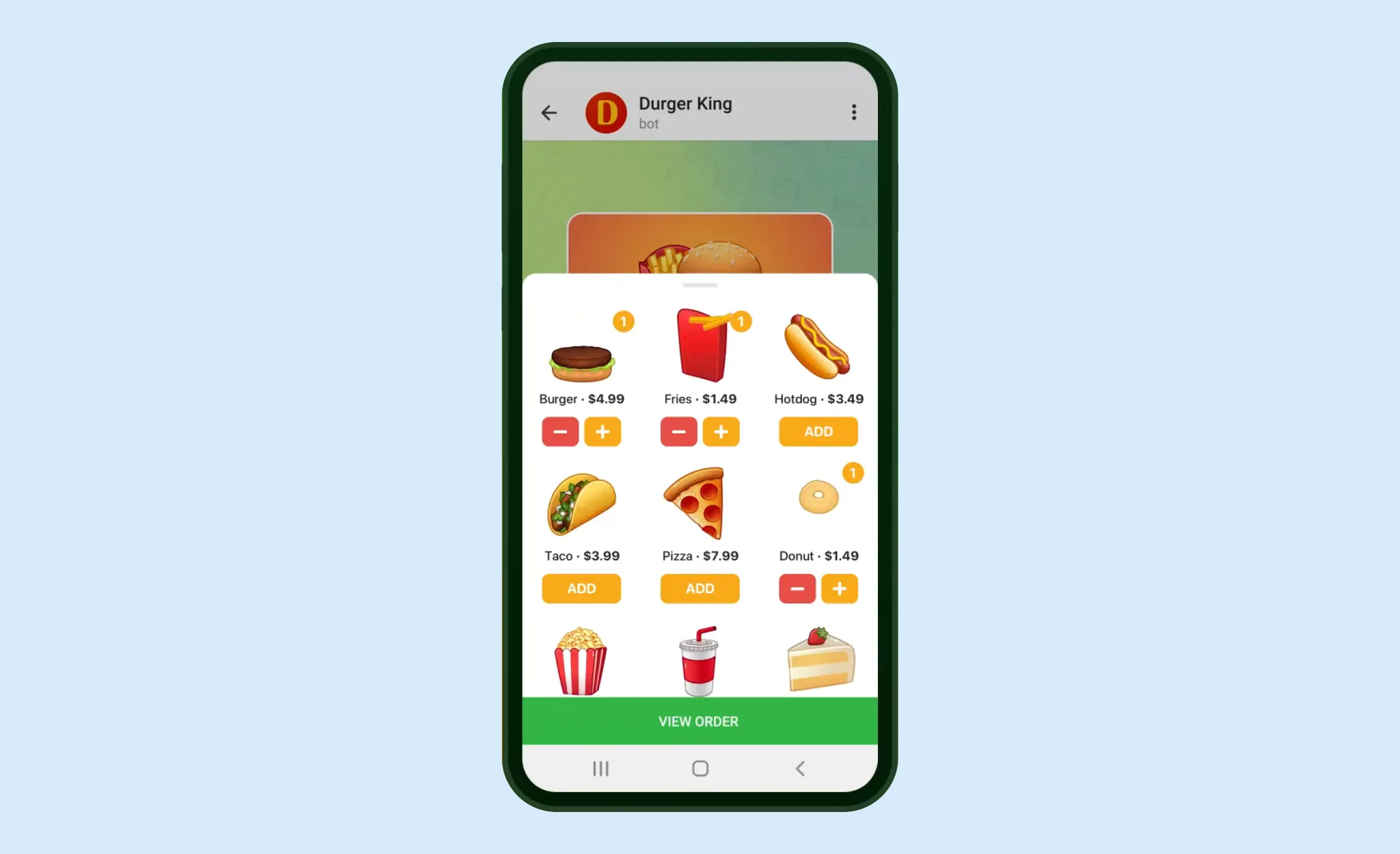
Mini apps support seamless authorization, built-in push notifications, dark mode, and integrated payments, making them a perfect choice for those who don't want to build a fully functional mobile application. Digital goods and services inside a mini app are sold only for Telegram Stars; more than 20 third-party payment providers handle physical goods and services. Mini app interfaces can be adjusted to specific industry business needs, from food ordering to fitness assistance.
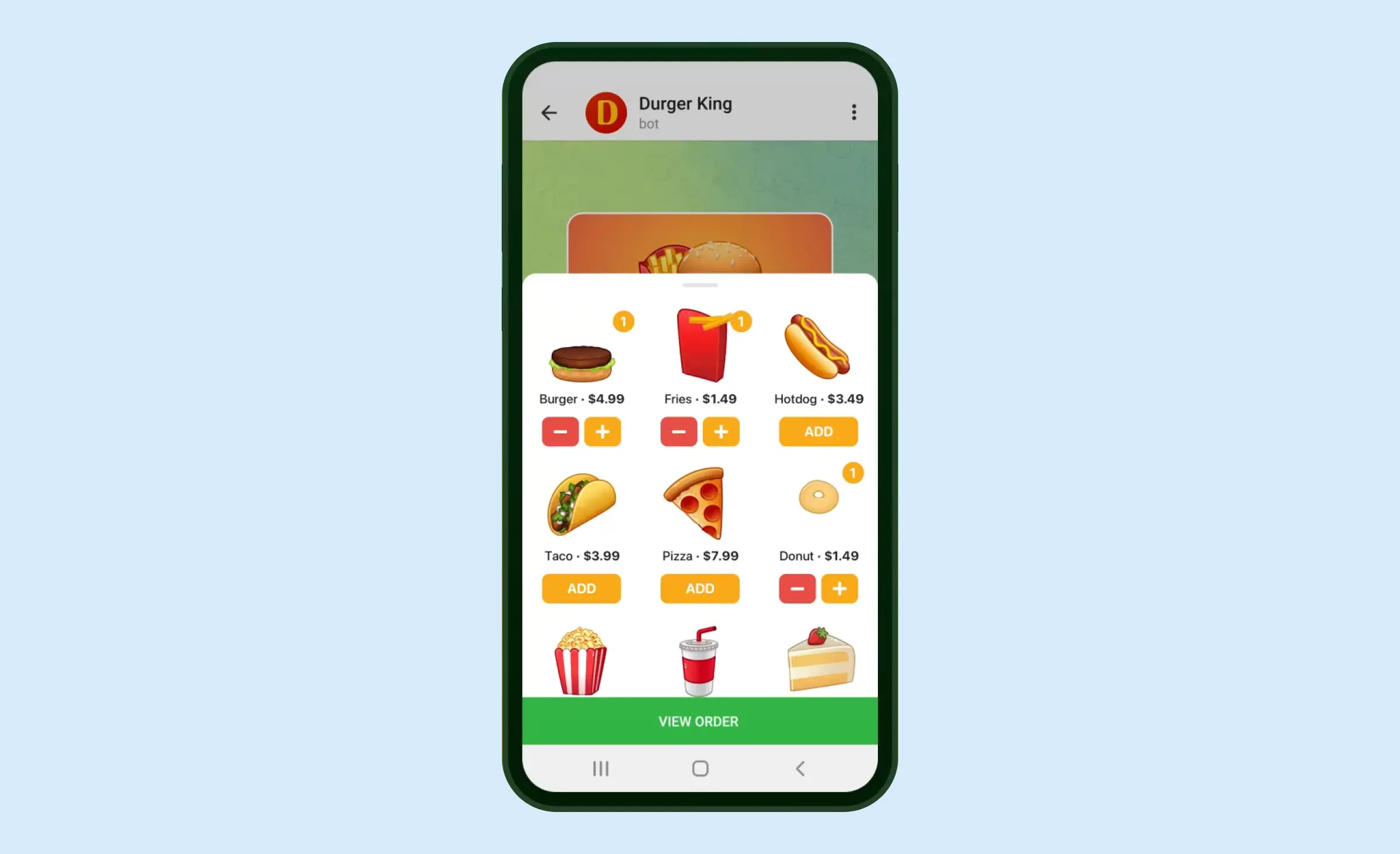
The mini apps are launched within the Telegram messenger and don't require complex design. They can adapt to the theme chosen by the user, seamlessly switching between light and dark modes accordingly. This feature is supported by Telegram's API, which allows an app to monitor and adjust to dynamic theme-based colors. Nevertheless, the Telegram web apps offer opportunities for full customization. For example, when a user opens a clothing catalog, a mini web app can display a webpage designed in the brand's style.
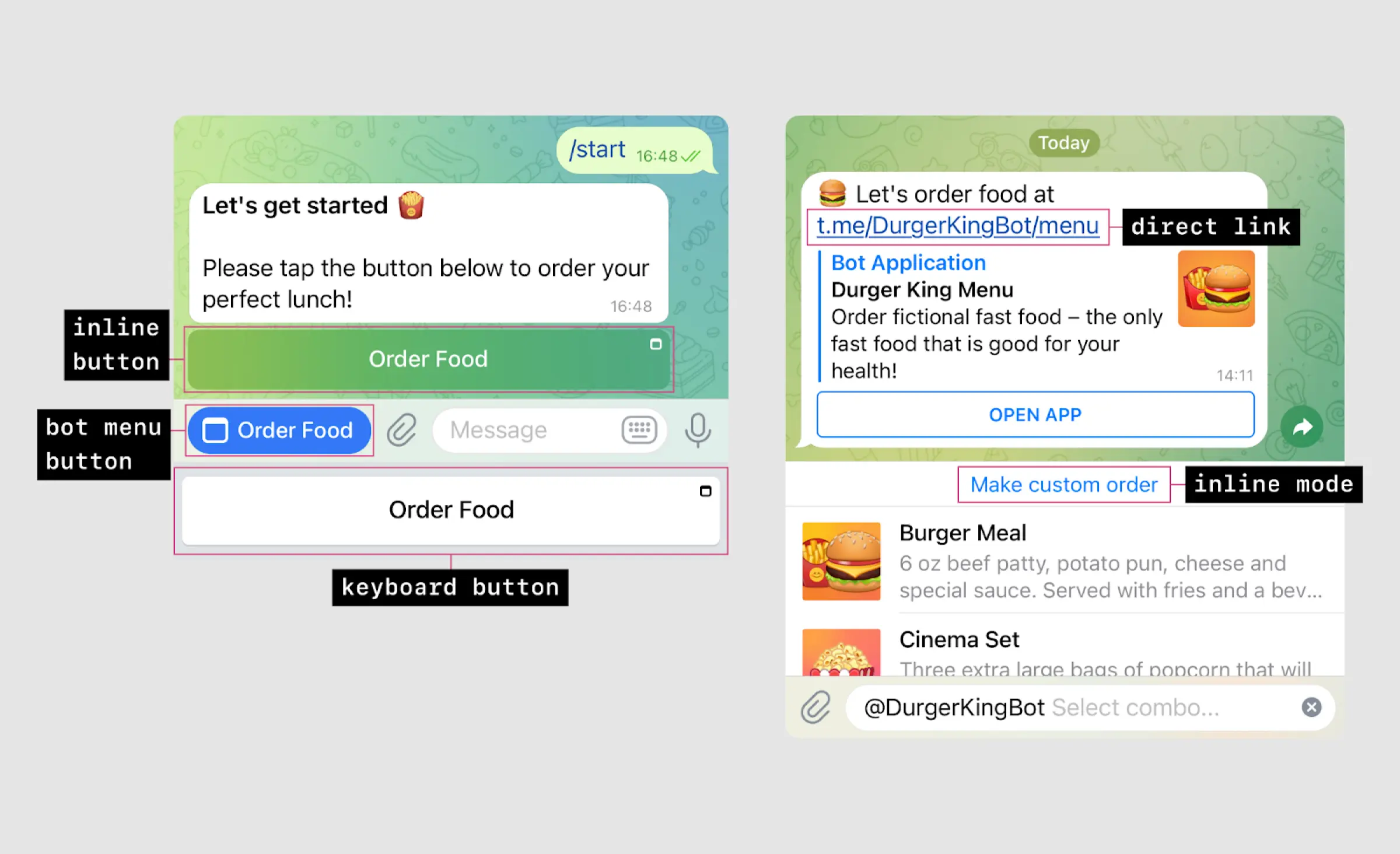
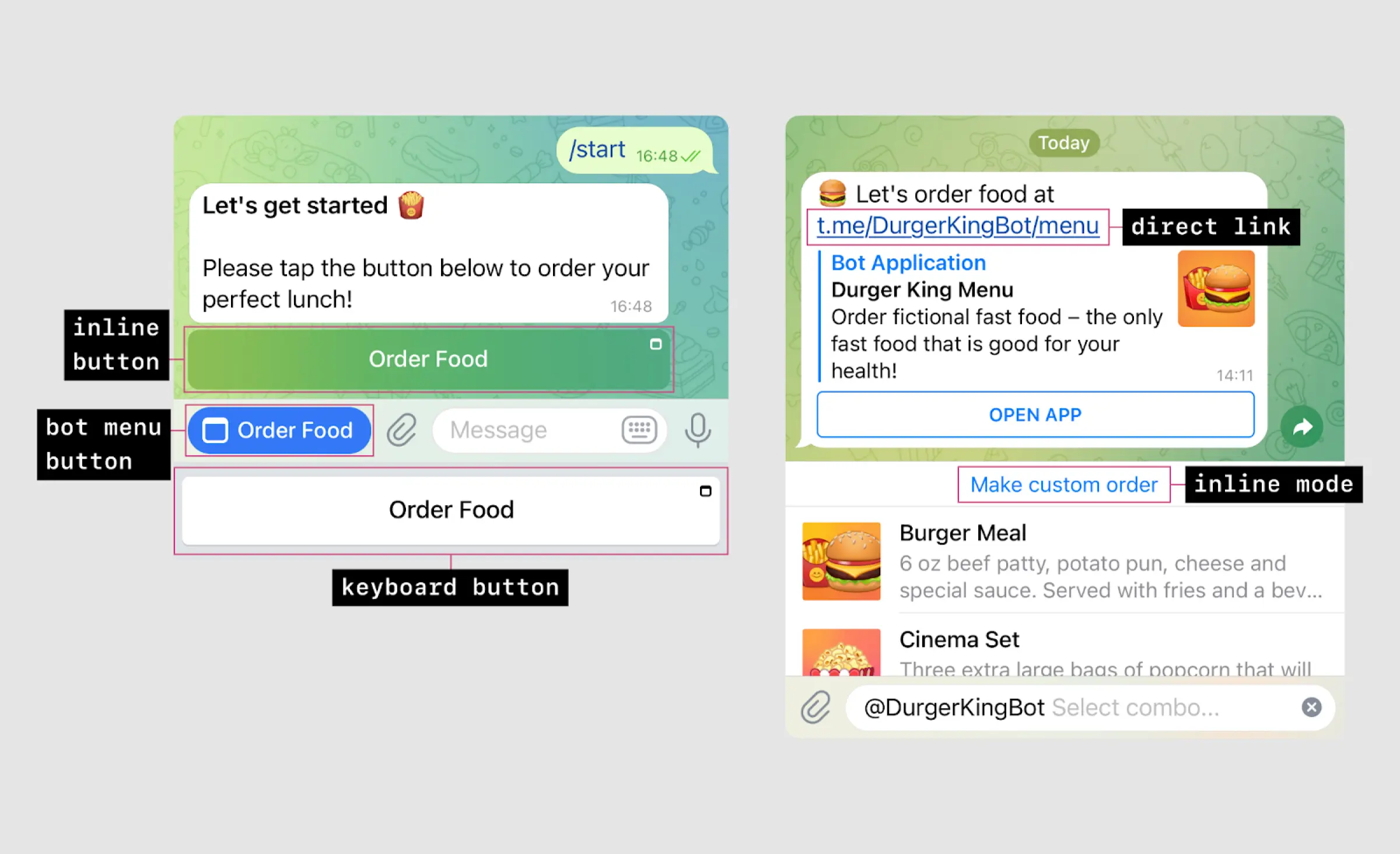
An app that is available for preview and can be launched by following a link or from the Telegram bot's profile is referred to as a main mini app. These apps can be launched in seven different ways, depending on the app's nature and the kind of input it will receive from users. These methods include an inline button, bot menu button, direct link, inline mode, attachment menu, and keyboard button.
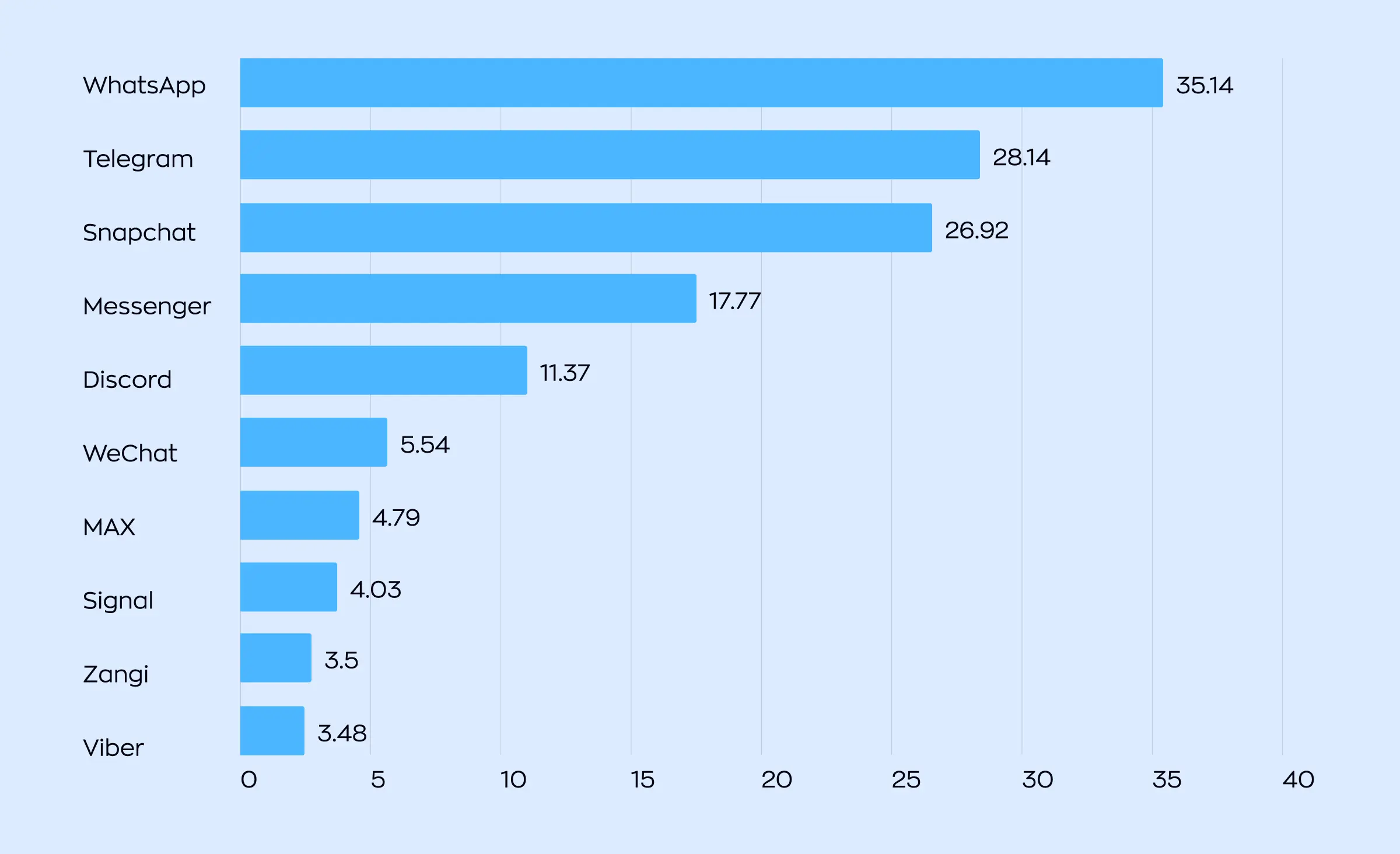
Mini apps target Telegram users specifically, so, to use a service, a customer needs a Telegram account. However, it's not a disadvantage since the number of Telegram's monthly active users is over 950 million. The messenger ranks second place after WhatsApp in monthly downloads, according to global statistics.
Mini apps can also be appealing to businesses whose target audience is located in countries that actively use the app, such as Southeast Asia and MENA countries. These markets present significant opportunities for businesses to expand their reach and engage with users through the convenient channel of Telegram mini apps.
Recent updates
Recently, Telegram has introduced several helpful updates for mini apps. Now, mini apps are able to store information directly on your device, which means your preferences and app data are saved even if you close the app. There's also a secure option for keeping sensitive data safe locally on your phone. Another improvement allows mini apps to interact directly with group chats, making it easier for teams and communities to use these apps together. Overall, these changes make Telegram mini apps more reliable, secure, and interactive for everyone.
Now that we've discussed the mini apps concept and their prevalence, let's explore how different industries can profit from introducing their services via Telegram mini apps.
Trending apps overview
Since Telegram allows for creating flexible interfaces, these can be developed with simple features and algorithms that suit the industry needs. Below, we explore key examples, highlighting their core functions, unique features, and business advantages.
Tribute
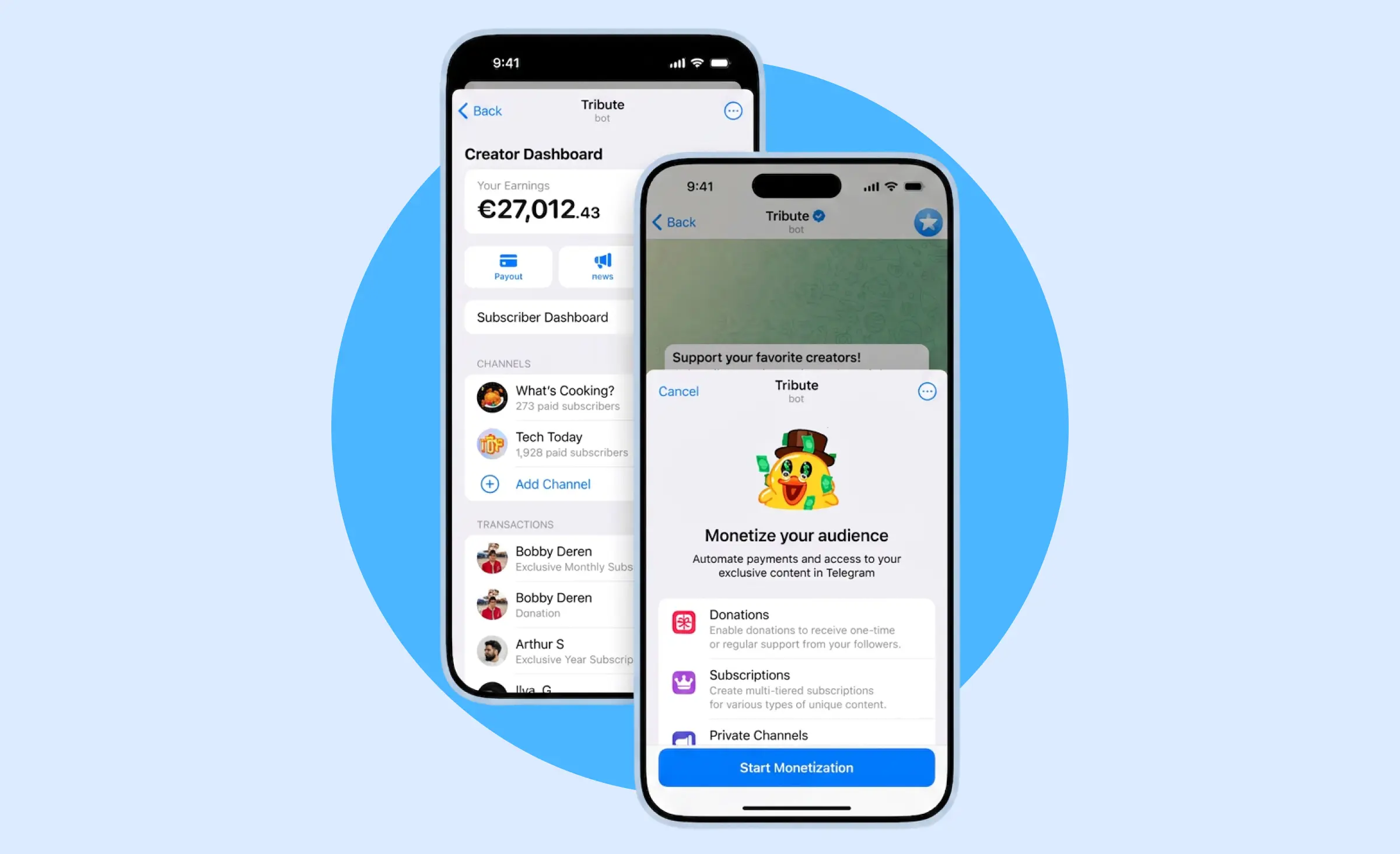
Tribute streamlines monetization for Telegram channel creators by handling subscriptions and donations in fiat currencies like rubles or euros. It automates premium content access, subscriber reminders, and bi-monthly payouts with a straightforward 10% commission fee. Channel owners benefit from reduced churn as payments happen in-chat, eliminating redirects to external sites. Businesses scale revenue effortlessly while building loyal communities around exclusive content.
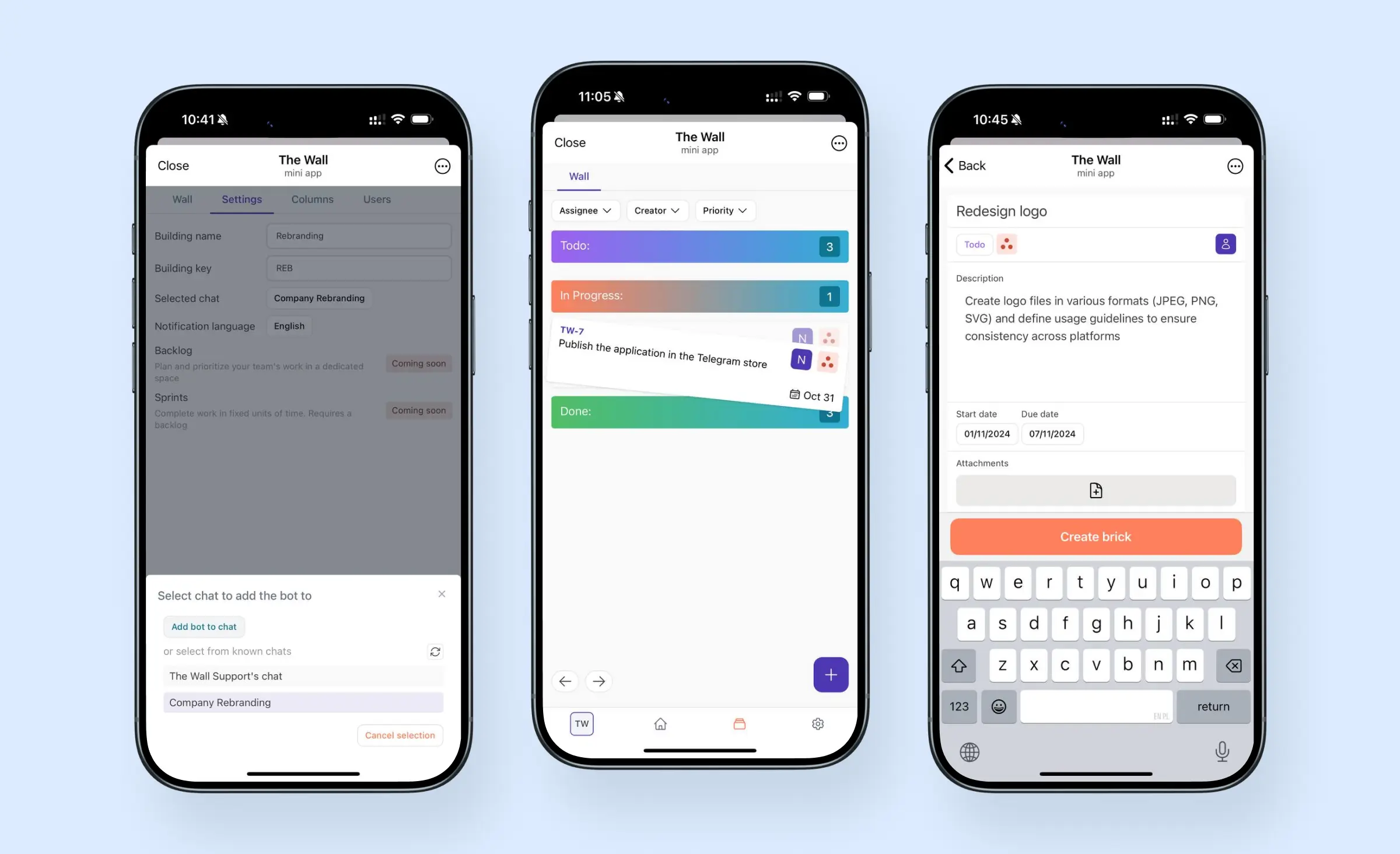
The Wall Task Manager
The Wall transforms Telegram into a visual Kanban board with drag-and-drop bricks for task assignment, priorities, and real-time collaboration. Teams update progress, set deadlines, and receive haptic notifications without leaving the chat. It centralizes project tracking, slashing email chains and tool-switching time. Remote businesses gain efficiency, fostering accountability and quicker decision-making across distributed workflows. Companies can monetize similar apps through team subscriptions, premium workflow features, or pay-as-you-go plans for advanced project analytics.
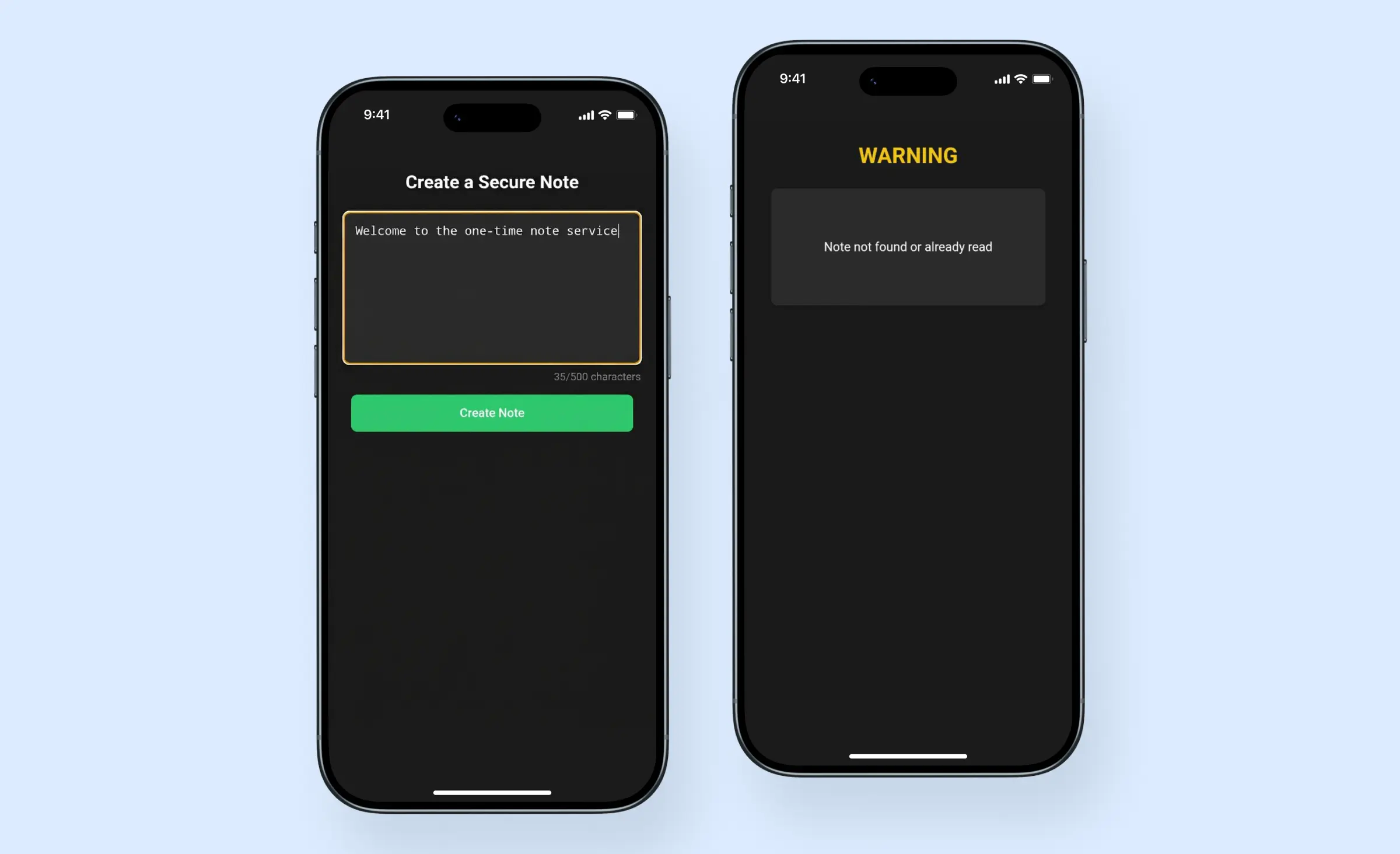
Encrypted Notes App
Encrypted Notes delivers one-time, secure message sharing using a Telegram Mini App. Notes are encrypted and kept on the server, accessible only with a unique link. Each note self-destructs after being opened once or after 24 hours, whichever comes first. This allows users to send private details — such as passwords, contracts, or confidential messages — without worrying about long-term data storage. To monetize similar concept, businesses can offer paid tiers with extended retention, branding options, detailed audit logs, or extra security features for teams.
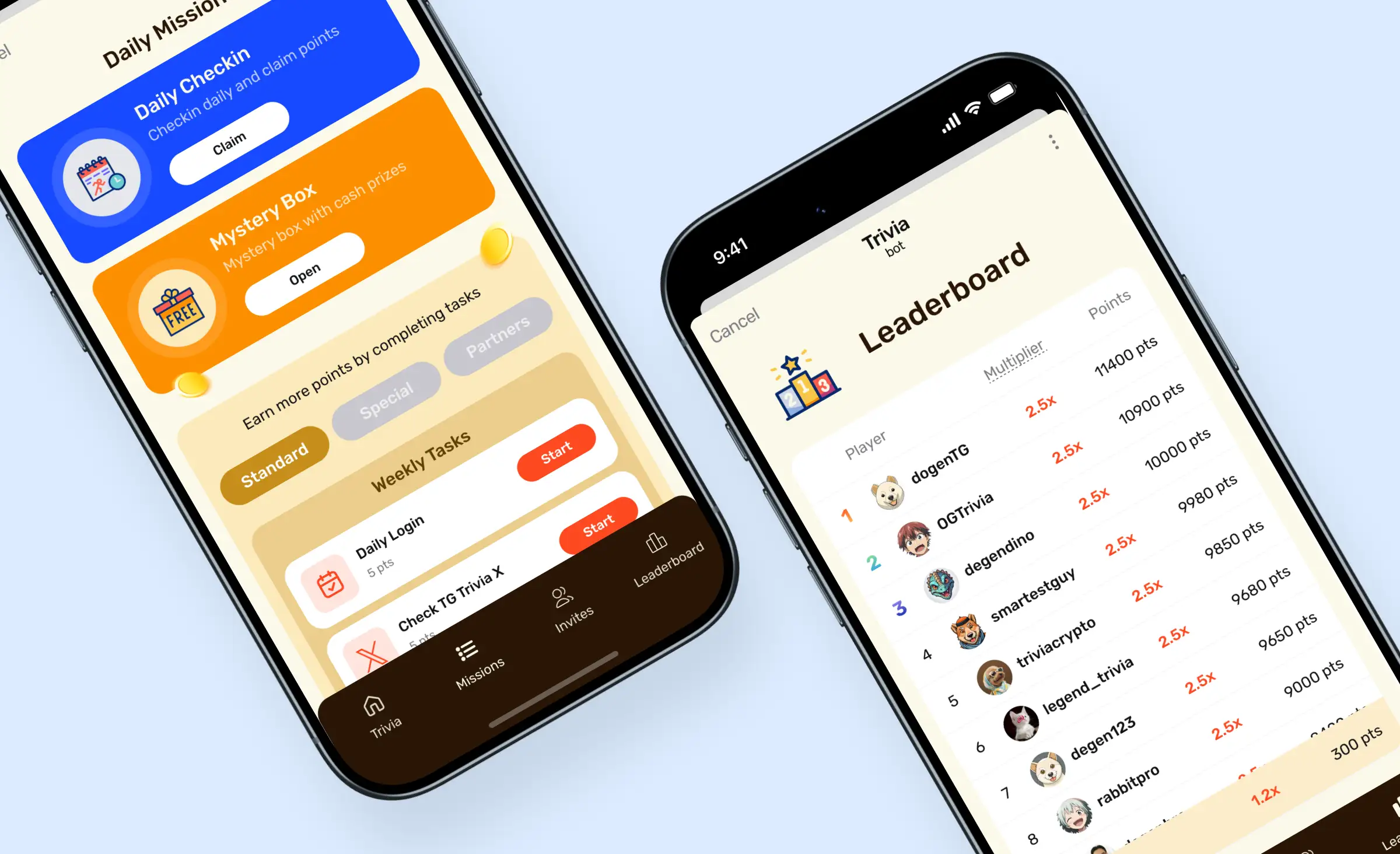
TG Trivia
TG Trivia delivers live quizzes on custom topics, complete with leaderboards, timers, and instant feedback for group sessions. Hosts tailor questions for training, icebreakers, or fun without setup hassles. It gamifies learning, improving recall through competition in chats. Similar apps can earn revenue by providing branded quiz packs, advanced analytics for HR, or monthly subscriptions for ongoing staff training and engagement.
FlyEat AI
FlyEat AI transforms meal photos or voice notes into precise calorie and macro calculations in just 2 seconds through Telegram's Mini App interface. Users maintain personal food diaries, log multiple dishes per message, export analytics to CSV, and receive AI nutritionist recommendations. The app eliminates manual food tracking while integrating seamlessly with Telegram chats for sharing progress. Health coaches and wellness brands monetize premium insights and personalized plans directly within users' daily messaging flow. Comparable businesses can offer paid subscriptions for personalized meal plans, advanced tracking, or exclusive direct access to nutrition experts.
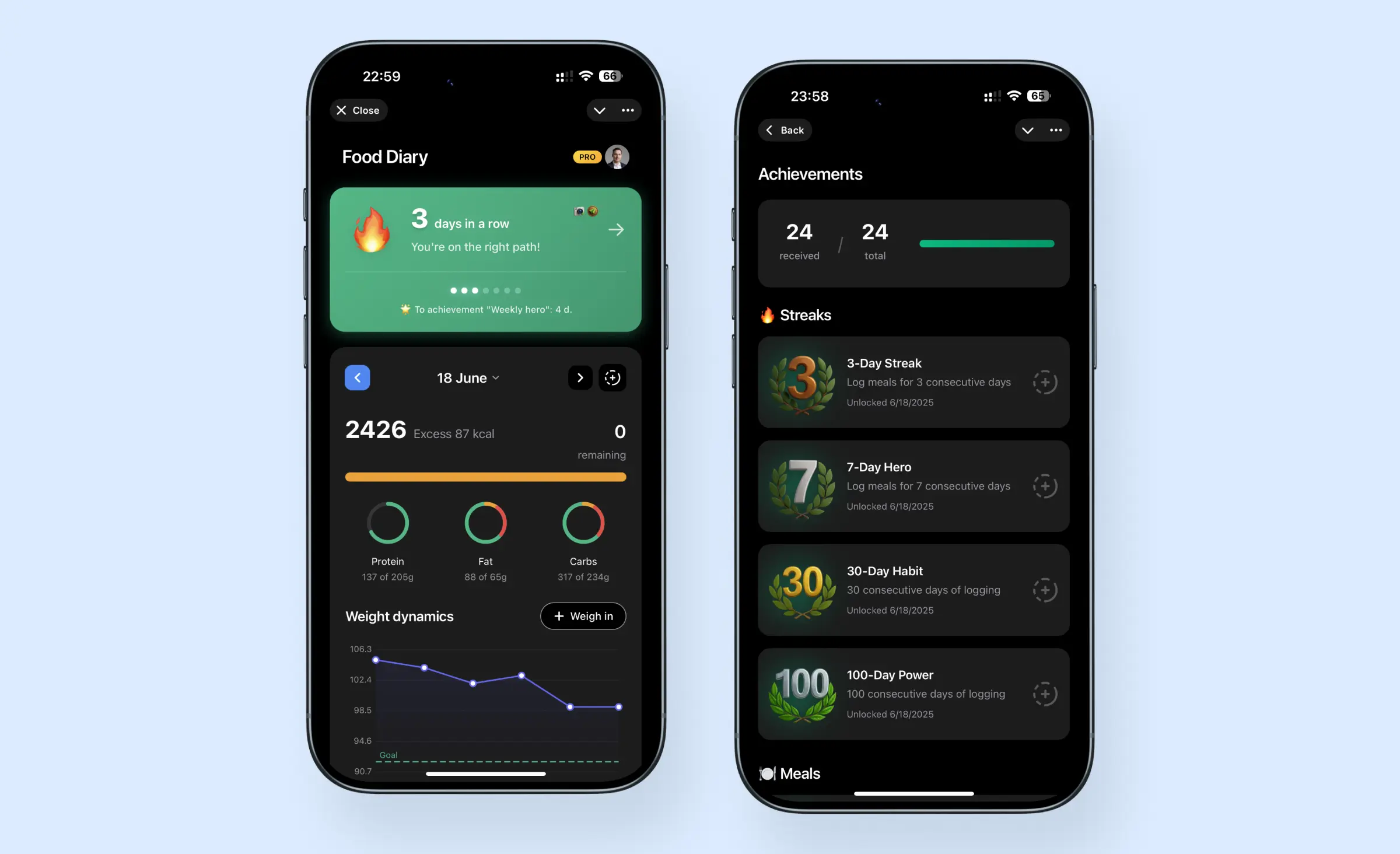
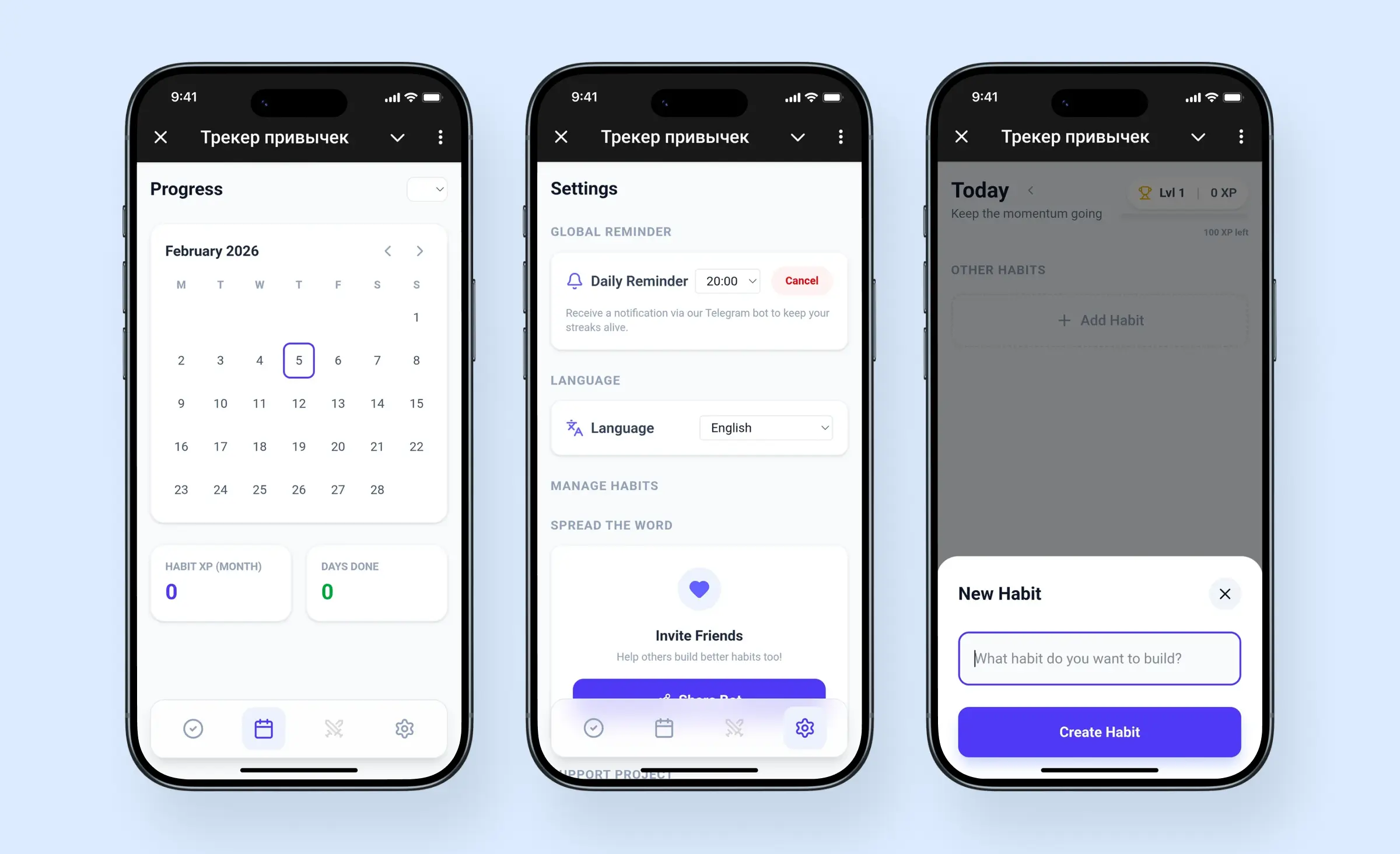
Habit Tracker
Habit Tracker's simple interface helps with habit building, allowing you to invite friends to achieve well-being goals together. Users log routines like exercise or reading, earning levels. It promotes consistency through gentle nudges and social sharing. For monetization, similar apps can introduce tiered memberships, paid habit coaching, or unlockable achievement rewards for engaged users.
TON Integration
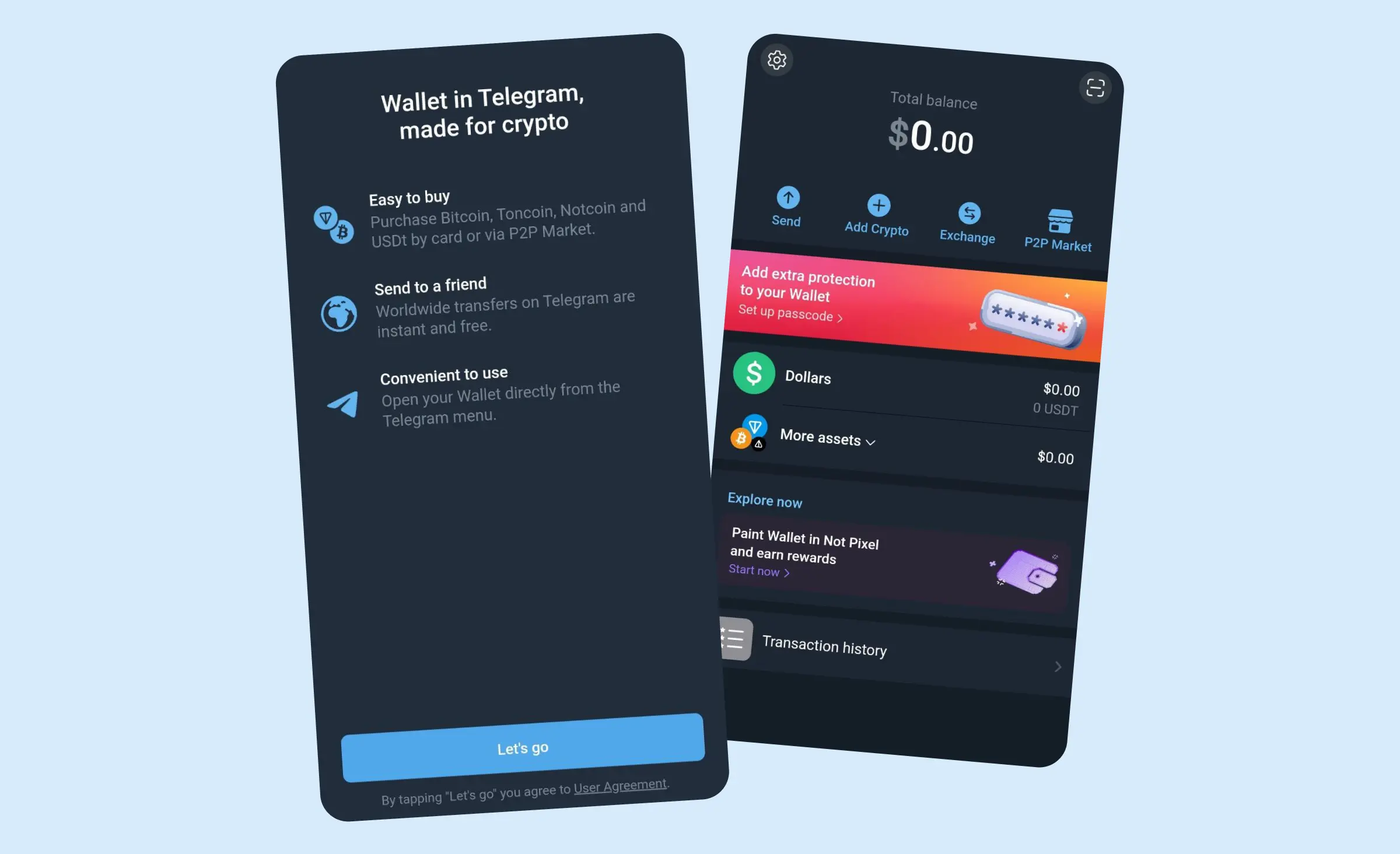
A key component in advancing mini apps' functionality and robustness is the integration of blockchain technology, such as the TON (The Open Network) blockchain. TON is a decentralized blockchain originally introduced by Telegram and is designed for scalability, speed, and security. By using the TON blockchain, mini apps can leverage decentralized networks for operations such as secure payments, data privacy, and transparent transactions. However, blockchain technology doesn't have to be integrated solely for transactions; a mini app can also focus on blockchain-associated technologies such as cryptowallets, NFTs, or play-to-earn games.
AI Telegram mini apps
Given how significant and rapidly growing AI is today, it really deserves a separate section. AI Telegram mini apps are embedded tools that bring chat-based automation, writing assistance, search, summarization, and workflow support directly into Telegram. They are especially useful when the user already works inside chats, because the AI experience feels immediate rather than like a separate app that must be opened and learned.
What AI TMAs do
AI TMAs usually focus on a narrow, practical task rather than trying to be a full AI platform. Common examples include drafting messages, summarizing long chats, generating content, answering questions, extracting action items, translating text, and organizing simple workflows. In business settings, they can also support customer replies, internal knowledge lookup, meeting notes, and lightweight task automation. The strongest AI TMAs are the ones that reduce friction in everyday messaging rather than adding a complicated interface.
Why they are useful
AI TMAs are valuable because they fit naturally into Telegram's existing behavior: people already use chats for coordination, support, community management, and quick decision-making. That means an AI assistant can appear exactly where the user needs help, instead of forcing them to copy text into another product. For creators, teams, and small businesses, this can save time and improve responsiveness without requiring a separate AI subscription stack.
How easy they are to build
A basic version can be built with a standard web interface plus a backend that sends prompts to an AI model and returns responses inside Telegram. The Telegram side mainly handles login, UI, and session flow, while the AI side handles generation, classification, summarization, or extraction. In other words, the hardest part is usually not Telegram integration itself, but designing the right AI behavior, prompt structure, and safety rules.
Typical integration pattern
Most AI TMAs follow a simple pattern: the user enters a message or uploads content, the app sends that input to an AI service, and the result is displayed back inside the mini app or chat flow. More advanced versions add conversation memory, user settings, document uploads, team workspaces, or knowledge-base search. Some also include model selection, usage limits, and subscription access for heavier usage.
AI integration categories
AI assistants and chatbots
AI assistants provide conversational support for queries, task automation, and workflow guidance directly within Telegram chats. Users ask questions, get instant answers, or receive step-by-step assistance without leaving their conversations. Businesses can deploy them for 24/7 customer support and internal team coordination.
Text generation
Text generation TMAs create content like emails, social posts, articles, or code snippets from simple prompts. Marketers draft campaigns, developers generate documentation, and creators produce scripts—all within Telegram's interface. The apps maintain conversation context for iterative refinement. Businesses can monetize unlimited access via monthly Telegram subscriptions for their audience.
Image generation
Image generation tools transform text descriptions into visuals, supporting marketing graphics, social media assets, and design prototypes. Users iterate designs through natural language refinements without design software. These TMAs integrate seamlessly with text workflows for complete content pipelines. Companies can offer premium image credits through Telegram subscriptions to power user creativity.
Video generation
Video generation TMAs produce short clips, promotional teasers, and social media videos from text prompts or images. Content creators build dynamic assets for TikTok, Reels, or ads directly in Telegram. The apps handle aspect ratios, styles, and music integration automatically. The same monetization models used for visual content can also be applied to video offerings.
These Mini Apps demonstrate Telegram's versatility for practical tools, proving that simple web tech can yield high-impact solutions. As adoption grows — bolstered by features like TON or integrated AI — they represent a low-barrier entry for businesses seeking embedded, scalable utilities. The ecosystem's native payments and sharing further amplify their potential for widespread use.
Struggling to build your Telegram mini app? Ronas IT can help
While many teams attempt to build Telegram Mini Apps independently using tutorials and basic WebApp SDK knowledge, Ronas IT provides expert guidance to speed up the process. We specialize in rapid UI/UX design and development for TMAs, plus full native mobile app creation when you're ready to scale beyond Telegram. Our proven process delivers launch-ready solutions in weeks, not months.
AI integrations experience
With deep expertise in AI integrations, such as GPT, Claude and custom agents, we can build sophisticated TMAs like multi-threaded workspaces or intelligent workflows. Our solutions combine cutting-edge functionality with Telegram-native compliance for payments and data handling from the start.
Messenger-optimized UI/UX
Our deep understanding of messenger interfaces creates intuitive designs that feel native in Telegram — adaptive theming, haptic feedback, and frictionless navigation. We build payments and data handling to privacy and regulatory requirements from the start, eliminating future headaches.
MVP approach for rapid launch and scaling
We use an MVP methodology with quick iterations based on scalable architecture. From the Telegram Mini App concept through production deployment, we provide full lifecycle support — plus mobile app development if your TMA needs to expand.
“In addition to our technical expertise, we offer our clients analytics and experience working with different markets.”
Roman Surikov, CEO at Ronas IT
Two products we built for clients outside Telegram:
- A neobank app for a US entrepreneur that helps users build their credit and get a credit card, even with a low credit rating.
- A project management app for a European SaaS company, built for agile teams on web and mobile.
To sum up
In conclusion, people are spending a lot of time on social media apps, with an average of 141 minutes each day in 2025. This makes these platforms a great opportunity for businesses to connect with and attract more customers who are interested in their services. The Telegram mini app is a new feature in the world of social media. As more people show interest in the Telegram messenger, this app can be a useful tool. It not only provides value for businesses but also makes it easy for users who already use Telegram because they can stay within the app they love.
The best thing about mini apps is that they can serve the needs of any industry, and creating them doesn't take much time or effort. If you're looking for someone to help you launch your app, we would be happy to do it for you. To get in touch with our team about your mini app idea, please use the button below.
Mini app, bot, mobile app, or website: which to build
A mini app fits when your users already spend time in Telegram and the product is a short task they repeat: pay, book, track, or play. A plain bot is enough when the whole task is a few messages, and a mobile app or a website is the better choice when the product has to reach people outside Telegram.
| Option | How users open it | Interface | Best for |
|---|---|---|---|
| Telegram mini app | A link, a button in a chat, or the bot profile; no install | A full web interface inside Telegram | Short tasks for an audience that is already in Telegram |
| Telegram bot | A chat with the bot | Messages and buttons | Notifications, simple requests, and replies |
| Mobile app | An install from the App Store or Google Play | A full native interface | Products used daily that need deep access to the phone or offline work |
| Website or web app | A browser | A full web interface | Reaching people through search and on desktop |
A mini app and a web app share most of the code, because both are web interfaces with a backend. That makes a mini app a practical first step: if it proves demand, the same backend can later serve a mobile app.
How much a Telegram mini app like these costs
At Ronas IT, a mini app built around a single main flow, such as one-time notes or a habit tracker, starts at $5,000 as a basic MVP and takes at least 2 weeks, with the design, the web interface, the backend that stores data and talks to the bot, testing, and project management included. The team on such a project usually has a project manager, a UI/UX designer, a front-end developer, and a back-end developer.
A mini app has four parts, and each one is built and tested separately:
- Interface: the web app screens that users see inside Telegram. It follows the user's light or dark theme, keeps content inside the safe area of the screen, and uses Telegram's own buttons.
- Backend: the server that stores data and checks every request. Telegram signs the user data it passes to the app, and the backend verifies that signature with the bot's token before it trusts the user.
- Bot: the account that opens the app and sends messages, such as reminders and confirmations.
- Admin panel: a web page for your team to manage content, users, and orders. We build admin panels with Laravel Backpack by default, or with Laravel Nova, and write a custom React one only when you ask for it or the panel needs more than those tools give. When your product needs one, it is part of the mini app's price, not an extra line in the estimate.
“When a first version of a mini app has to be cheap, I would rather drop a whole flow than save on the backend or the bot. Users can test an idea with fewer flows, but not on a flow that breaks.”
Evgeny Leonov, CTO at Ronas IT
These are our starting prices for a mini app and the work around it:
| What you build | Starting price | Timeline | When it applies |
|---|---|---|---|
| Analysis phase | $1,000-$2,000 | 1 week | Optional, before the build, if the scope is not written down yet |
| Basic MVP: one core flow with its design, bot, backend, and admin panel | $5,000 | At least 2 weeks | A first mini app, like Encrypted Notes or Habit Tracker |
| Extended MVP: several flows, roles, outside services | $10,000 | At least 5 weeks | A team tool like The Wall, or an AI tracker with a photo scan like FlyEat AI |
| Complex product | $20,000 | At least 8 weeks | A payout platform like Tribute or a crypto wallet like Wallet |
| AI feature for a mini app that already runs | $3,000 per AI feature | At least 1 week | A new AI function, such as a photo scan or an assistant, added after launch |
| Support and maintenance after launch | $1,000 a month | Ongoing | Monitoring, fixes, and updates for the mini app, its bot, and its backend; new features are estimated separately |
For example, an AI food tracker like FlyEat AI, with several flows and a photo scan, starts at $10,000 as an extended MVP: the photo scan is one of its features, not a separate budget. After launch, the use of the AI model is a running cost of its own. A platform like Tribute, which collects payments for many channel owners and pays them out, works like a marketplace, and a crypto wallet like Wallet holds user funds in several tokens and adds exchange: each starts at $20,000 as a complex product and takes at least 8 weeks. A narrow wallet that only shows balances and sends tokens starts from $5,000 or $10,000, depending on its flows. If the mini app later gets a mobile app on the same backend, that app costs from 50% of the mini app's price. Hosting runs in your own cloud account and is paid to the cloud provider. Telegram takes no commission on payments for physical goods through a payment provider; digital goods and services sold inside Telegram apps go through Telegram Stars under Telegram's own terms.
What to do next
- Pick the example above that is closest to your product and write down the main thing a user will do in your first version.
- Decide how the app will earn: a commission on payments like Tribute, a subscription, or premium features.
- Match the payment method to what you sell: Telegram Stars when the mini app sells digital goods or services, or a payment provider for physical goods.
- List the outside services the app needs, such as payments, a CRM, or an AI model.
- If the scope is still loose, start with the analysis phase; if it is clear, ask for an estimate of a basic or extended MVP.
First published 2024-12-10 by Dmitry Lauretsky, Former COO at Ronas IT. Rewritten by Alexander Storozhevsky.