Custom software development solutions
One team designs, builds, and ships your custom software — web, mobile, or enterprise. If you don't need custom, we say so on the first call and suggest what to use instead. You own the code and IP from day one.
What is custom software development?
Who we build custom software for
Startups & founders
Founders come to us to turn an idea into a product they can launch and test. We start with business analysis so you don't invest in features the market doesn't need, then build an MVP with the core features first. You get a working product, real user feedback, and a codebase built to grow past the MVP stage.
Growing companies
Growing companies use custom software to connect sales channels, data, and daily operations in one system. We integrate new software into the tools you already use, so your team keeps working without disruption while the new system takes over step by step — including moving live data out of the systems you replace. Where regulations apply — payments, personal data, healthcare — we build to the relevant standards from the start.
Established businesses
Established businesses hire us to automate internal processes: order management, logistics, reporting, customer service. We build custom business software — internal systems and corporate apps — around the way your company actually works, keep client data secure, and stay with the product after release: support, updates, and new features as your needs change. We plan the rollout in stages to reduce disruption to daily operations.
Our software development services
Ronas IT covers every form of custom software development. If you are not sure which one fits your product, tell us about it — we will recommend the right starting point.
Web development
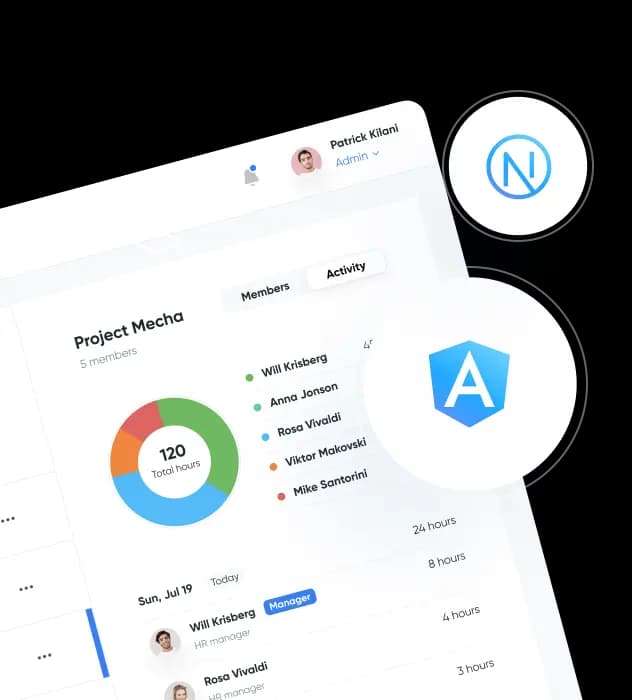
We build websites of any size, from landing pages to corporate websites — over 200 web projects across many industries. Proven internal solutions cover the standard parts of a build, so your project reaches launch faster.
Mobile app development
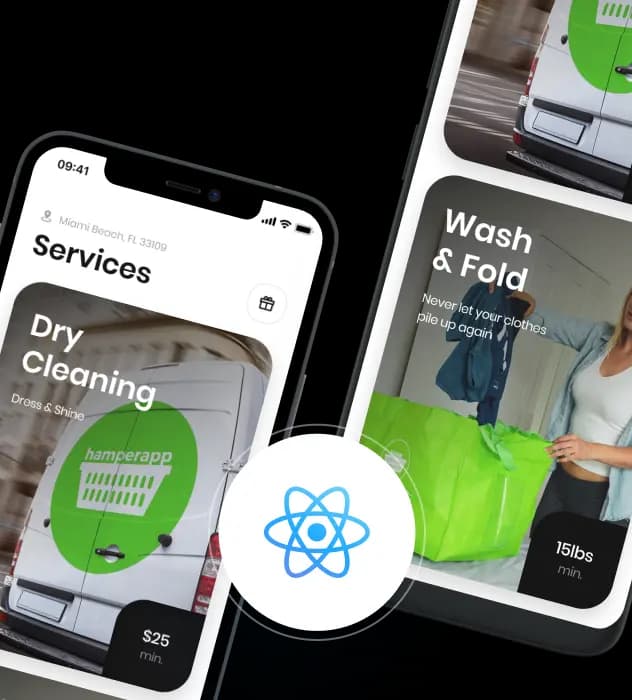
We build mobile apps with React Native, so one codebase covers both iOS and Android and you don't pay to build the app twice. When a project needs native development, our team works in Swift and Kotlin.
Web application development
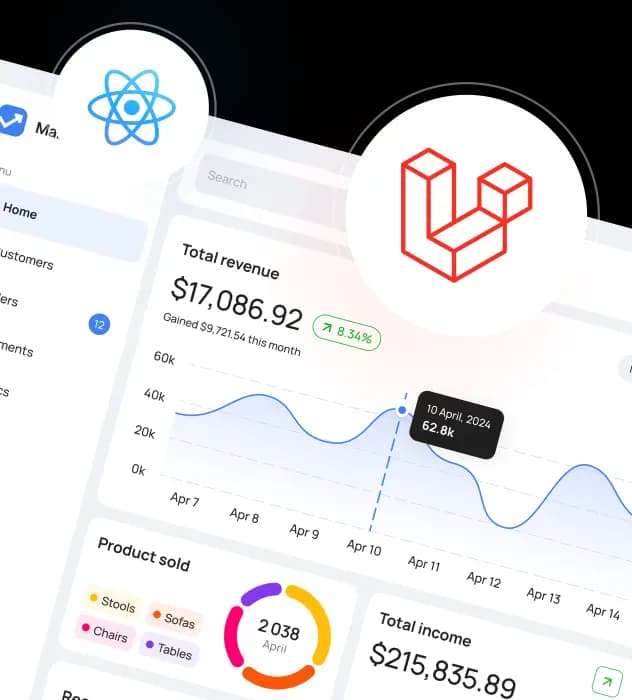
For products with complex logic and real-time data — dashboards, platforms, SaaS — we build custom web applications. Our own code solutions cover standard features like user accounts, roles, and reporting, so the team spends time on what is unique in your product.
Backend development
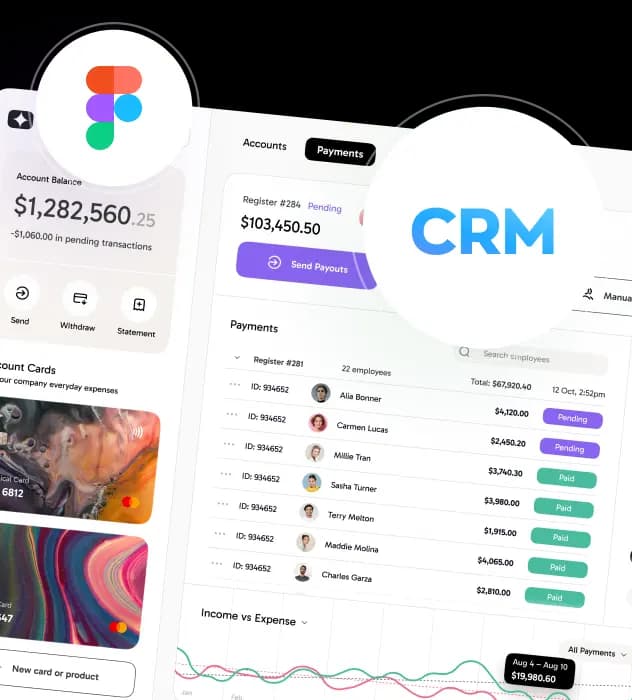
We build APIs, databases, and the server logic behind web and mobile products. This is also where integrations live: payments, CRMs, delivery services, and everything else your product connects to.
Dedicated development teams
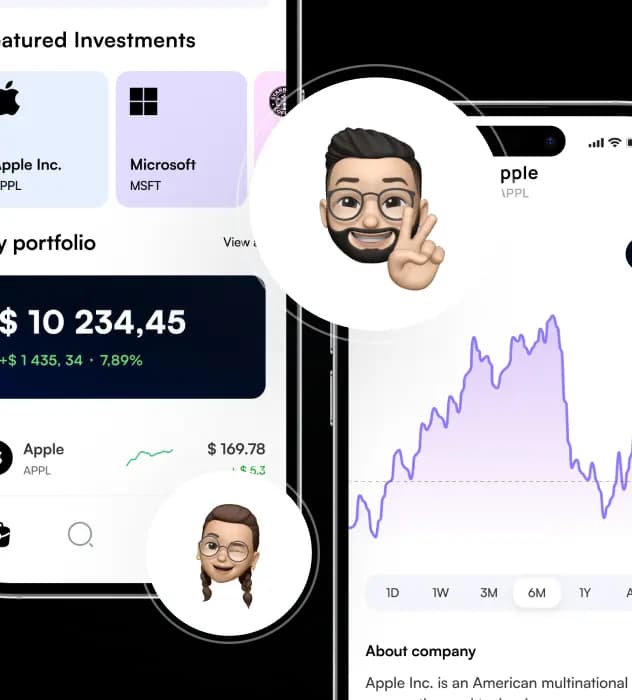
If your product needs ongoing development after launch, a stable dedicated team keeps working on it — the same engineers who built the product and know the codebase, release after release.
MVP development
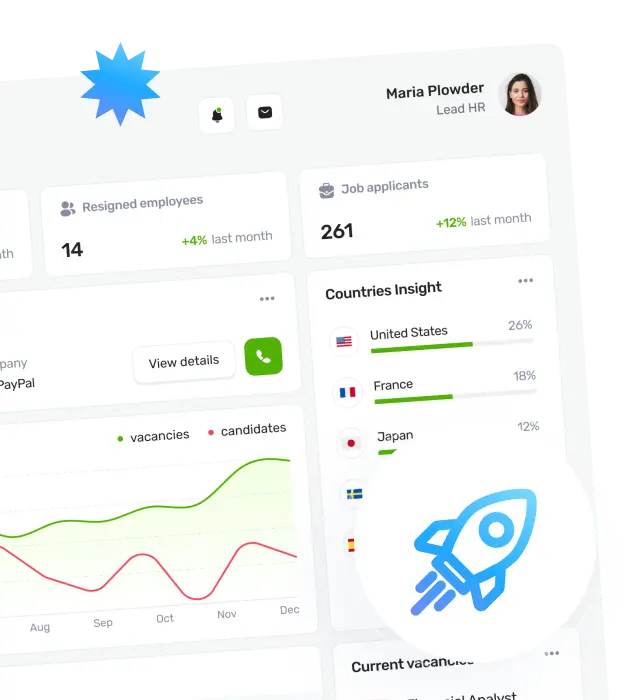
If you are a startup testing a product idea, we build a minimum viable product with the core features first. Depending on urgency, an MVP takes from 4 weeks: you launch, collect user feedback, and decide what to build next based on real data.
Why choose us for custom software development?
Here is what you get when you choose Ronas IT as your software development company:
You own the code and IP
Everything we produce — code, design, documentation — belongs to you from the start of the project, with the repository in your organization from day one. We sign an NDA on request, and nothing locks you to us: any development team can continue the work. We prefer clients who stay because the work is good, not because leaving is hard.
Transparent pricing
Our prices are public — see the pricing page for every service, so you know the budget range before the first call.
One team for the full cycle
Design, frontend, backend, mobile, and DevOps are done by one in-house team. You don't manage several contractors or explain the same requirements twice. One team carries your product from the first sketch to the release and beyond. Every engineer on the team holds at least a bachelor's degree in an IT field.
Our own solutions speed up development
We reuse our own code solutions and frameworks built over hundreds of projects: authentication, payments, admin panels, deployment pipelines. Your project starts from tested building blocks instead of a blank page, so development moves faster. These building blocks ship as part of your codebase — yours to keep and modify.
Flexible technology stack
We choose the stack for the project, not the project for the stack. Our standard tools are PHP and Laravel, React, and React Native, but when a project is better served by something else, we use what fits — and explain why.
Standardized, automated deployment
Deployment is standardized and automated with CI/CD. Releases are consistent and repeatable: web products deploy without downtime, and mobile apps are prepared for App Store and Google Play submission.
The process of software development
From the first call to the release, a project goes through these steps:
- 1
Requirements gathering
We start by gathering requirements and defining the scope of work: what the product must do, for whom, and what done looks like. If the product is technical, our CEO Roman Surikov joins the first call. He is an engineer, so you can discuss architecture and technical constraints right away.
- 2
Project estimation
We outline the main features, the team composition, and the approximate cost based on our hourly rates. If you need an exact budget, an optional analysis phase turns the requirements into user stories and flow maps and produces a fixed estimate of cost and timeline.
- 3
Planning
Once you approve the estimate, we plan the work in sprints — short iterations of 2-3 weeks. Each sprint has goals that we break down into tasks.
- 4
UI/UX design
Before software engineering, we create interface designs based on client requirements and references, starting with a mind map to outline key functionality and logic. After client approval, we create a design concept with 2-3 interfaces to establish the product's visual style. Finally, we design screens and flows focused on the client's business processes, while creating a UI-kit.
- 5
Software engineering
The development team establishes scalable architecture and starts coding according to the design specifications. By the end of each sprint we hold a demo updating a client on what has been developed. We cover the code with autotests, so we don't need to manually test each part of the application.
- 6
Deployment
We prepare the software for production, finalizing the environment and configurations. Right after web or mobile application development, products either go into the production environment or are being released in the app stores.
- 7
Maintenance and support
If you want us to stay after the release, we provide maintenance and support: bug fixes, updates, and improvements as the product and user needs evolve.
Case studies
These businesses chose custom development because off-the-shelf software could not cover their processes.
Hamperapp
Mobile and web application development
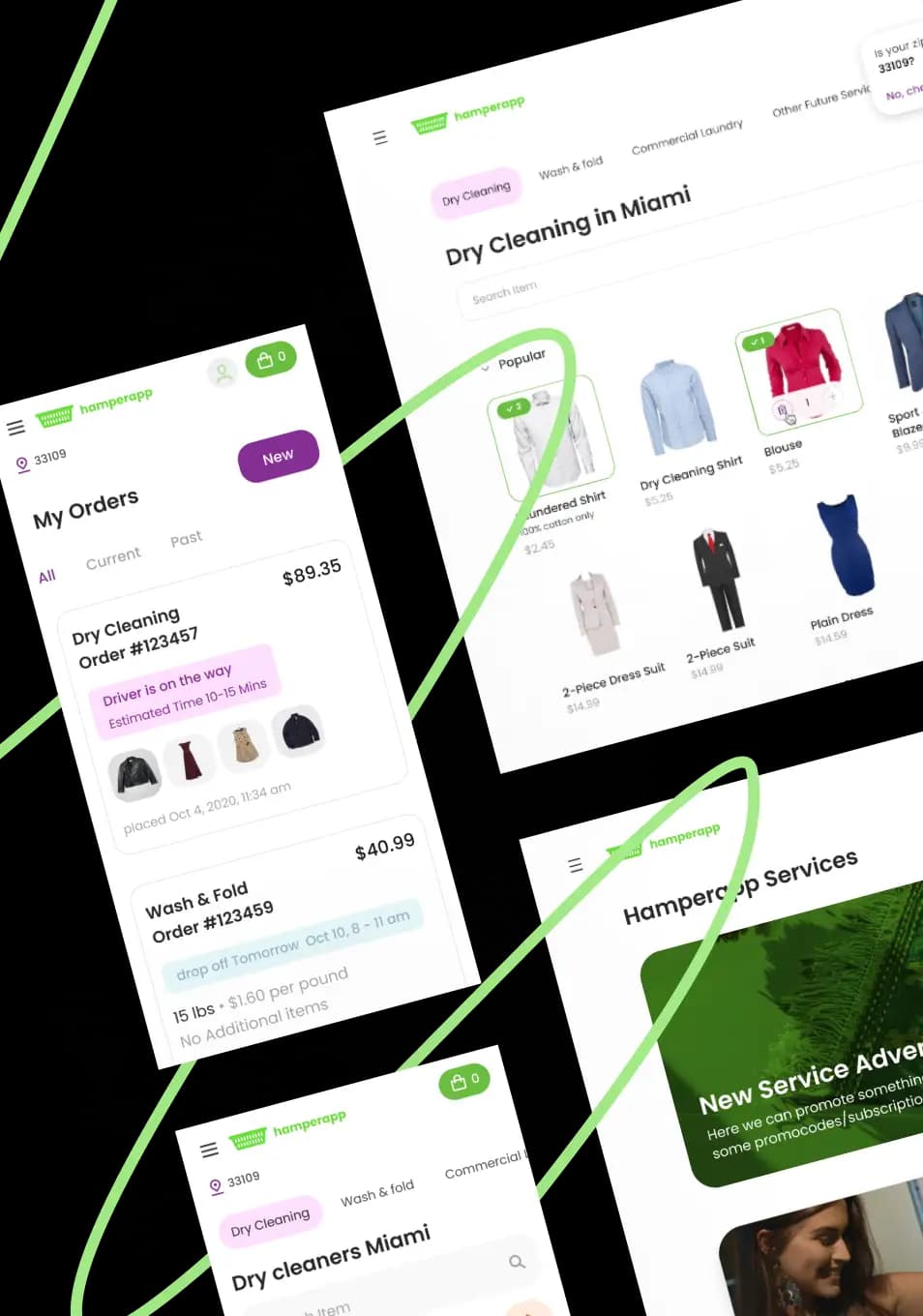
Hamperapp, a laundry service from Florida, needed to automate its entire workflow — from customer orders to drivers and laundries. We built iOS, Android, and web apps plus admin and manager panels for four user roles, with Stripe payments and real-time order updates. The service has 3,000+ active users and 38,300+ iOS downloads — and, as the client reports, has doubled its users year over year.
UK Retreats
Landing and web application development
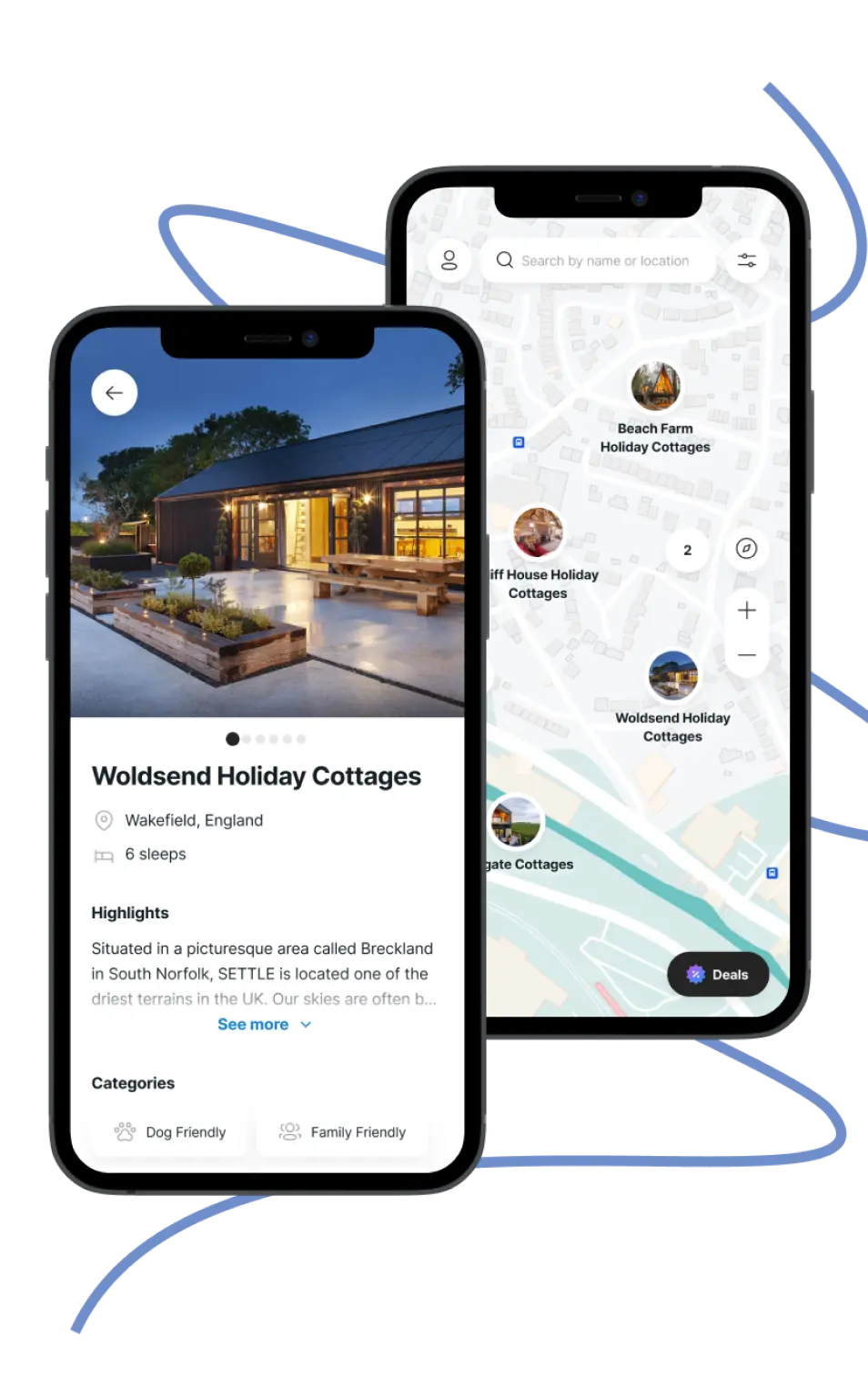
UK Retreats wanted a booking platform for unusual holiday stays across the UK. The founder had taken the idea to several web agencies and heard the same response: too expensive, can't be done. We proposed a mobile-first web app instead of a costly native one — a version that fit the startup budget and kept the product vision intact. The MVP was ready in 3 months.
Oddscrowd
Website and mobile application development
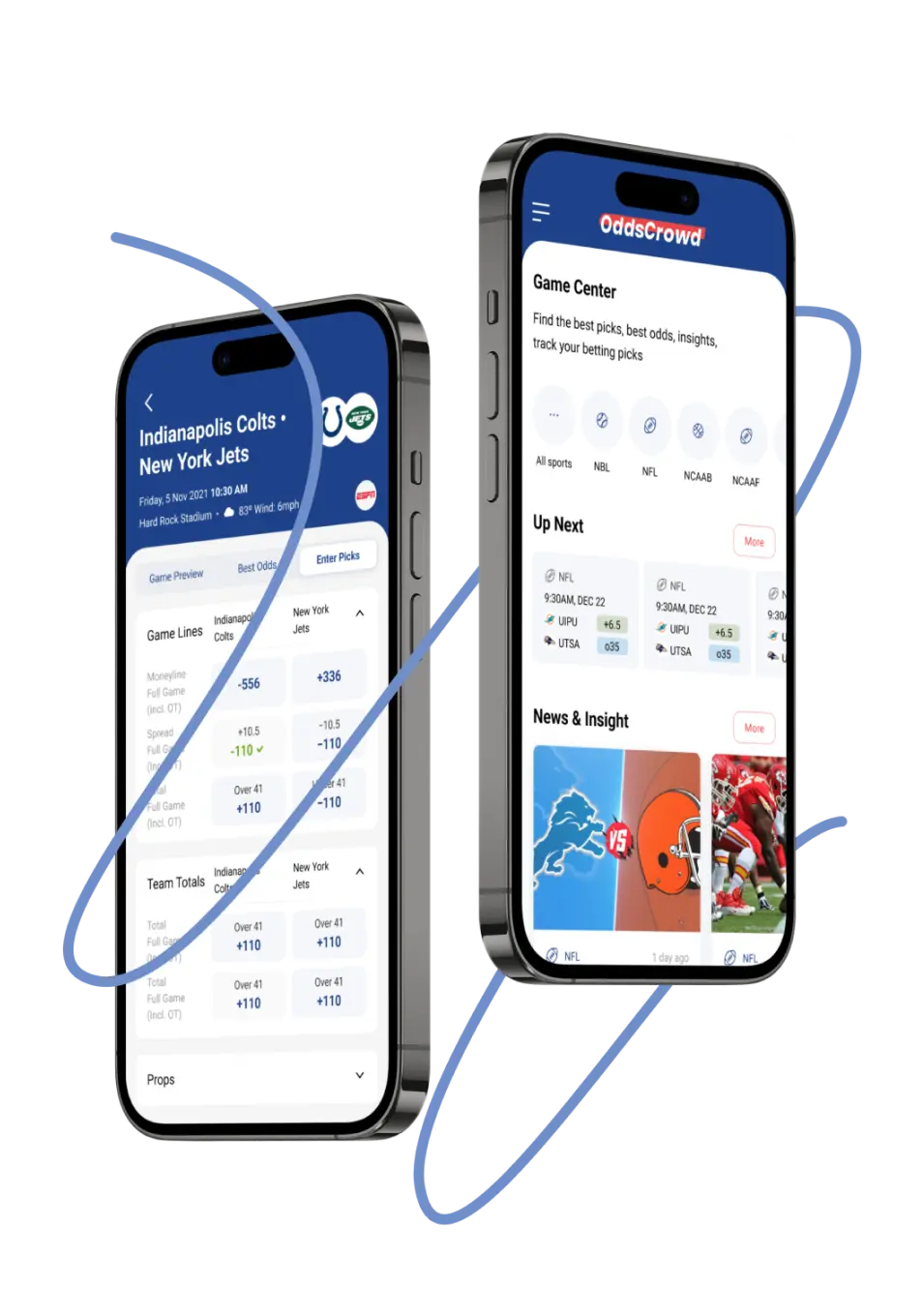
OddsCrowd, a US community of bettors, came to us 10 weeks before the Super Bowl and needed a mobile app synced with their website before the game. We built a React Native app for iOS and Android with odds tracking, picks, and push notifications — and released it on time. Monthly users grew 10x shortly after the release, as the client reported.
Chef's Crate
Web application development
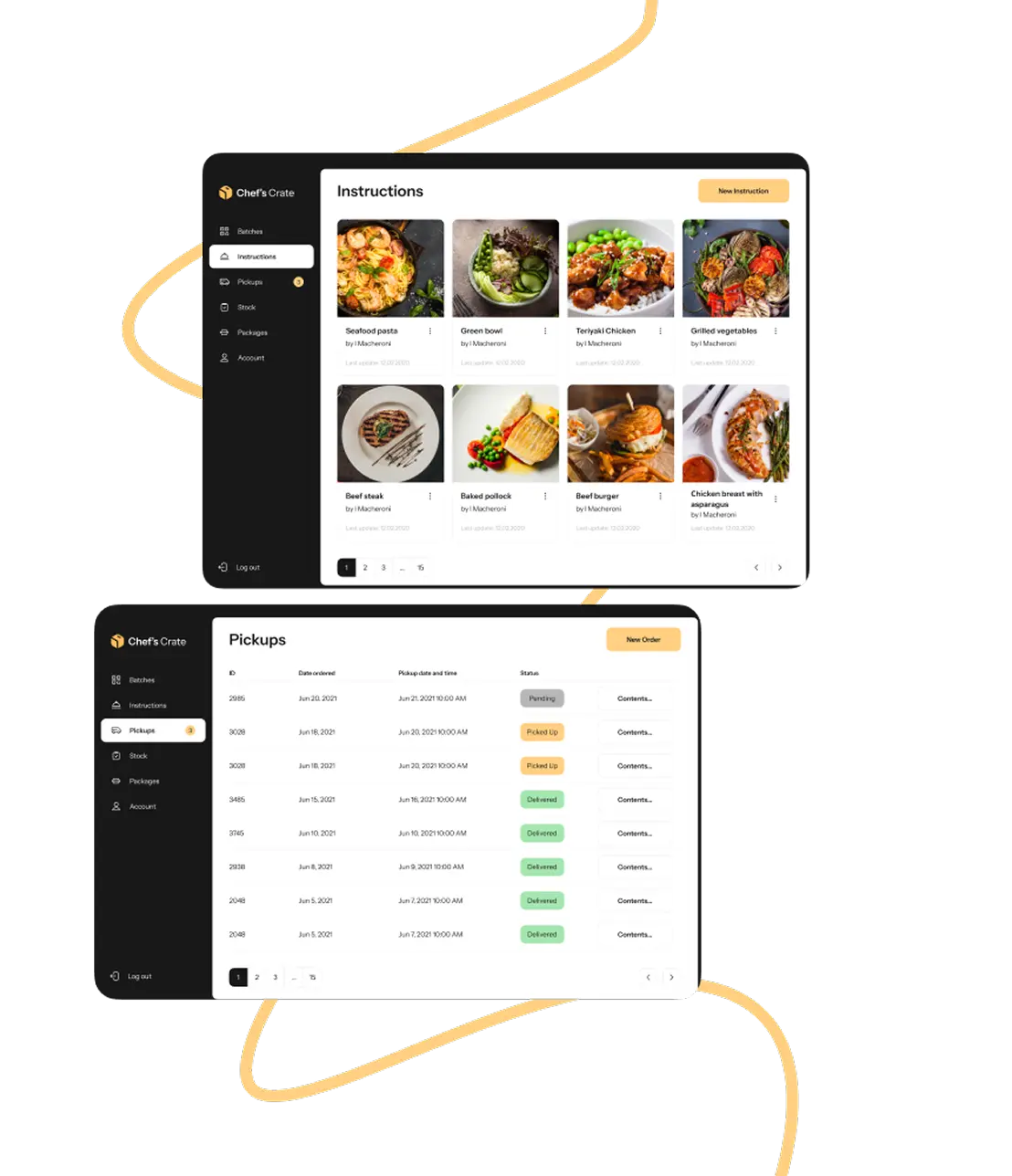
A meal prep company from Australia had a customer ordering app but no system behind it to run the restaurant side. We built an inventory management system that connects to the app: recipes with storage and allergy details, batches tracked with QR codes and expiry dates, and pickup statuses for every order — one admin panel for the restaurant staff.
Starting at
$15,000
/per project
Timeline
From 4 weeks
Core features, one platform, API, release
Typical for founders validating an idea
Starting at
$30,000
/per project
Timeline
From 6 weeks
Web app or web + mobile, custom UI/UX, integrations, user roles
Typical for growing products and marketplaces
Starting at
$50,000
/per project
Timeline
From 8 weeks
CRM, HRM, or ERP-scale systems, several apps, complex integrations
Typical for established businesses
Starting at
$2,000
/per project
Timeline
From 1 week
User stories, flow maps, feasibility, and a scope document
Turns your idea into a fixed budget and timeline
Our tech stack for custom software development solutions
Backend
PHP
PHPUnit
Laravel
Python
Frontend
React
NextJS
Angular
Design
Figma
GSAP
Photoshop
After Effects
Mobile
React Native
Swift
Kotlin
DevOps
GitLab
Argo CD
GitLab CI
Google Cloud
AWS
Kubernetes
Sentry
Grafana
Prometheus
Loki
Industries we serve
Over 1,500 delivered projects across design and development give us working knowledge of how these industries operate:
Fintech
Payment apps, trading platforms, and digital wallets — built to pass security and compliance review.
Logistics
Apps for supply chain, warehouse, and transportation management, plus dashboards that turn operational data into a clear picture.
Marketplace
B2C, B2B, and hybrid marketplaces: listings, payments, seller tools, and admin panels for running the platform.
Travel
Booking platforms, travel planning apps, hotel management tools, and travel-specific CRMs.
Education
LMS, corporate training apps, student portals, and self-learning apps — with content protection, so course materials stay yours.
E-commerce
We build ecommerce from scratch or as hybrid solutions — a Shopify admin panel with a custom storefront. For physical retail, we cover point-of-sale, ERP, and delivery apps that connect in-store and online sales.
Benefits of custom software solutions
Four practical reasons businesses invest in custom software solutions:
Enhanced efficiency
Custom software connects to your existing systems without workarounds and automates the routine work your team does by hand. The features follow your workflow instead of forcing your team to adapt to a generic tool.
Unique solutions
Custom development turns what makes your business different — pricing logic, workflows, customer experience — into product features competitors cannot copy.
Future scalability
Custom software grows with the business: new features, higher load, and new integrations are added to your codebase on your schedule, instead of waiting for a vendor's roadmap.
Cost efficiency
Over the long term, custom software often costs less than licensed products: you don't pay per seat, don't pay for unused features, and don't build manual workarounds for things the tool cannot do.
Related services that our custom software development company offers:
UI/UX design services
DevOps services
AI-powered solutions
What our clients say about Ronas IT custom software development services
Numbers
across 4 platforms