
Estimate Project

Cross-platform app development services for iOS and Android

Cross-platform mobile specialists. Since 2020, we've shipped React Native apps to the App Store and Google Play, but we'll flag better approaches honestly.

20+
cross-platform apps shipped · iOS + Android
4.9★
on Clutch · 35 reviews
$20K-$40K
for cross-platform app development
$2-3K
Analysis phase

Cross-platform app development services at Ronas IT

For us, cross-platform means React Native — one team building one codebase for both iOS and Android, so you ship to both stores without paying to build and maintain the app twice. Used in production, not as an experiment.

Our React Native development service covers the full stack, from the analysis phase through store submission. React Native sits in the 'Adopt' ring of our internal Tech Radar: the stack we trust by default for real products.

Since 2020, we've shipped 20+ React Native apps and built proven patterns for store review, hotfixes, push notifications, analytics, native modules, and Laravel-backed mobile products.

Cross-platform doesn’t mean a compromise. React Native runs native components — not a WebView. We’ve shipped neobank apps through compliance review, marketplaces with multi-role flows, and rental platforms with real-time chat.

Our job in the analysis phase is to confirm React Native fits — and flag when it doesn’t.

— Evgeny Leonov, CTO, Ronas IT

What we build

  • A single React Native codebase

    for iOS and Android, usually built on Expo, with EAS for builds and store submissions

  • A web version on Next.js

    built on demand in the same Nx monorepo as the mobile app, so both reuse the same TypeScript logic

  • A backend

    for your app, built with Laravel, Node.js, or Python

  • An admin panel for your app’s content and users

    — custom-built with React and TypeScript, or Laravel Nova/Backpack for a faster, lower-cost option

  • A single app release pipeline:

    store submission, release management, and OTA updates

We work only with React Native, not Flutter, Ionic, or KMM (Kotlin Multiplatform).

If a different framework is the right call for your product, we’ll say so up front.

Why React Native

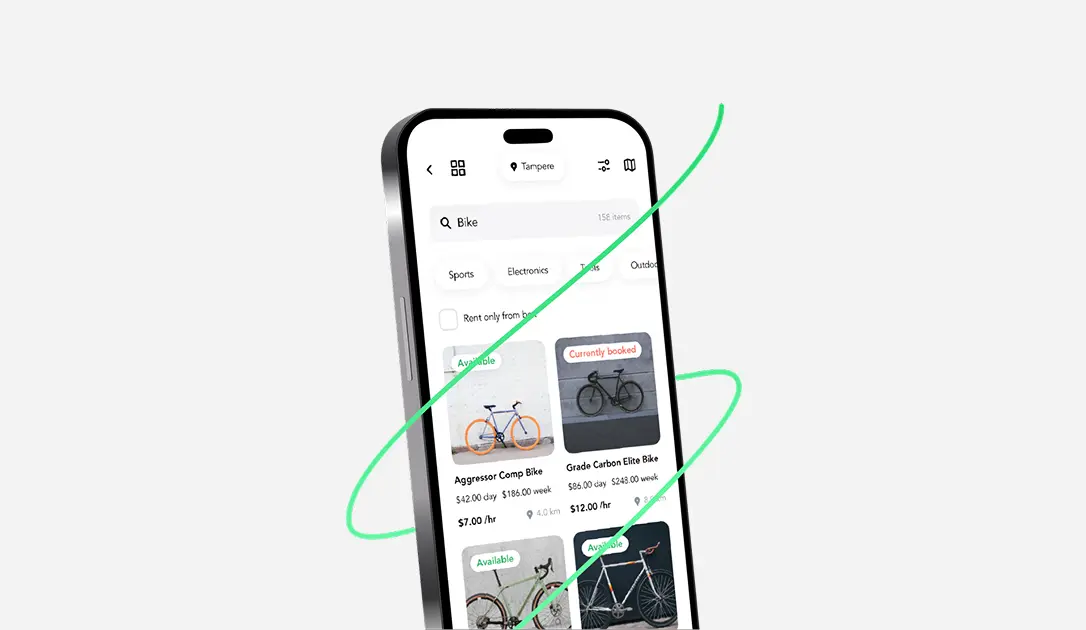
Hand holding an iPhone running a mobile app

Feels native

React Native renders native components, not a WebView

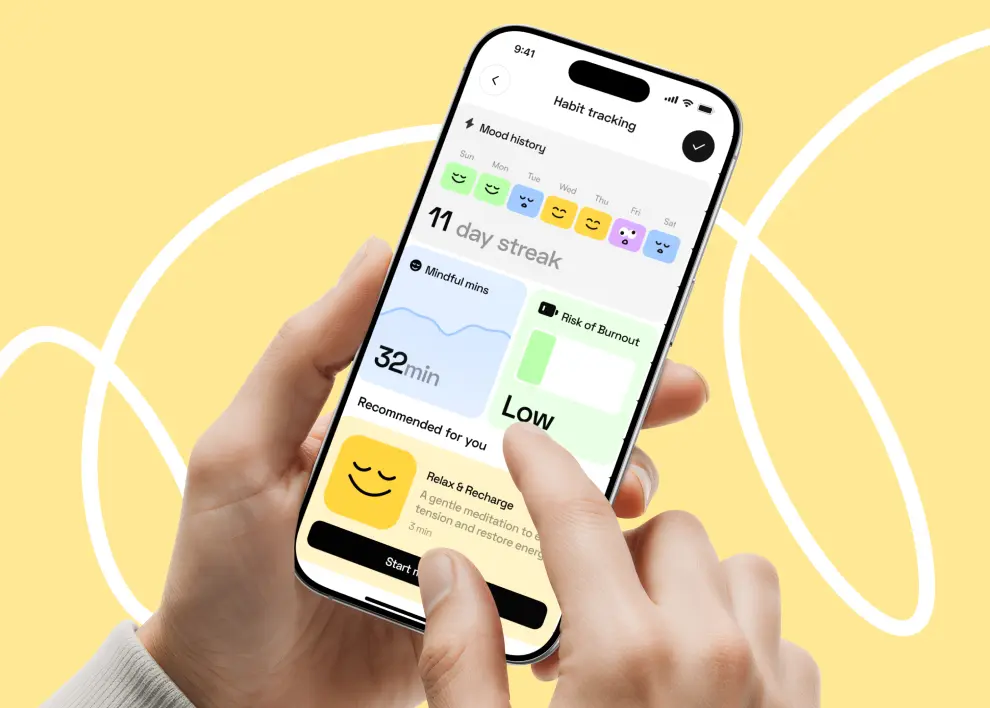
People holding smartphones

Scales with you

your product grows without switching frameworks or a rebuild

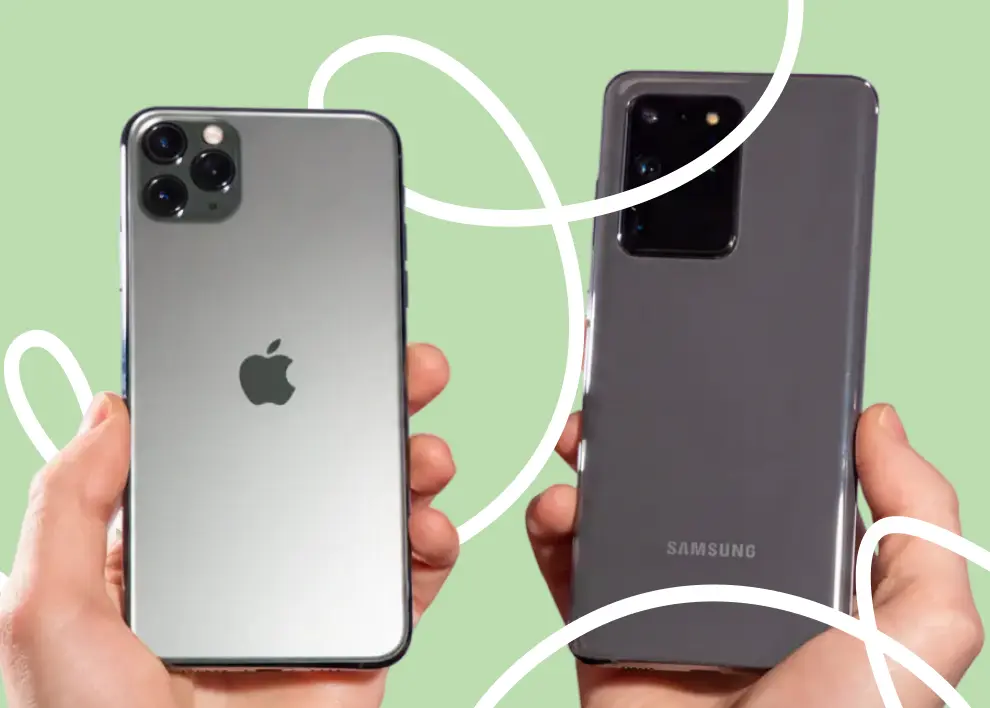
An iPhone and an Android phone side by side

No lock-in

business logic migrates if you ever go native

Logos of Meta, Microsoft, Shopify, Amazon and Wix

Here to stay

backed by Meta, used by Microsoft, Shopify, Amazon, and Wix

Cross-platform apps we’ve shipped

Here are seven public cross-platform projects, six with full case studies and verifiable metrics. Most of our work is under NDA, so we publish only the cases a client has approved.

Community

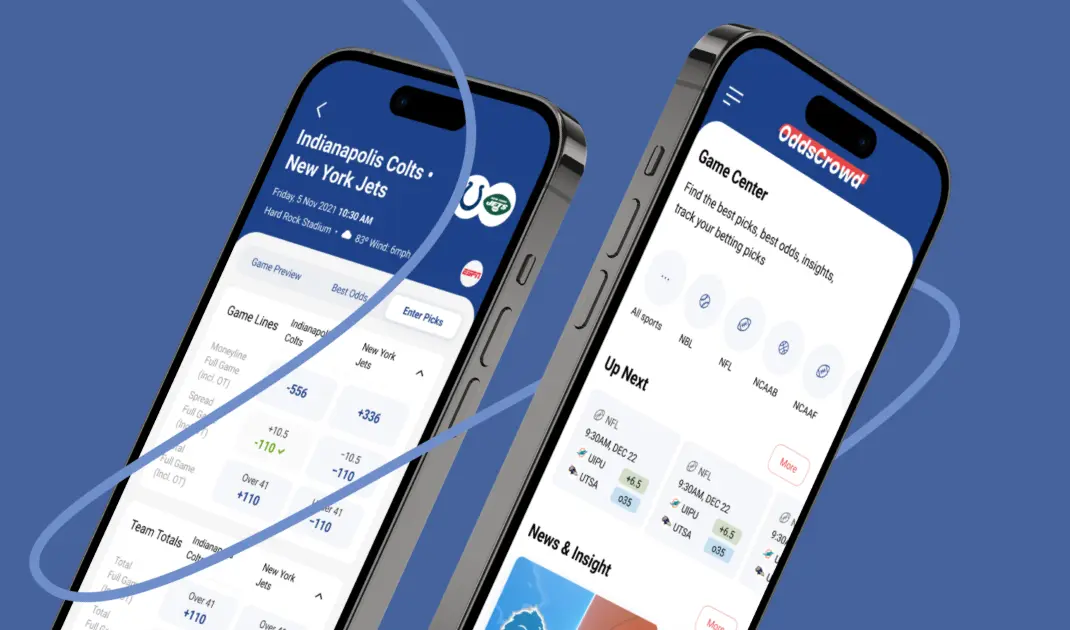
OddsCrowd sports community app on two iPhones

Sports (virtual picks)

2,000+ downloads in app stores · users grew 10x shortly after release

OddsCrowd is a social platform we built for a community. The web platform came first, giving the client a working product where users could build profiles, share picks, track other members’ stats, manage subscriptions, and follow bookmaker news. Later, the client came back for a mobile version, which we built with React Native and Expo for iOS and Android and shipped to the App Store and Google Play.
View Case
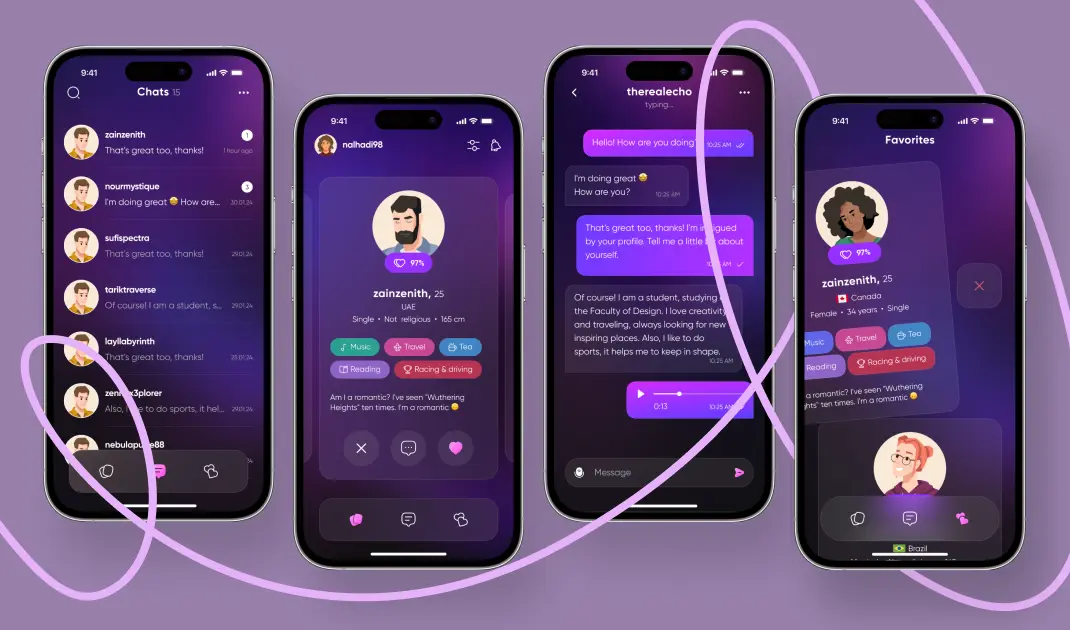
Buke dating app screens on iPhones

Dating

4,000 active users within 3 months · App Store + Google Play approved

Buke is a React Native dating app with compatibility-based matching, detailed questionnaires, and audio messages in chat. Arabic support required right-to-left behavior across onboarding, chat, navigation, and carousels, beyond translating the strings. We supported the product with a web version and a Laravel Nova admin panel, then used the web version as a fallback after the initial App Store rejection. We handled the review process, showed that the app met Apple’s requirements, clarified its value for users, and got the same mobile build approved without a rebuild.

View Case

FinTech

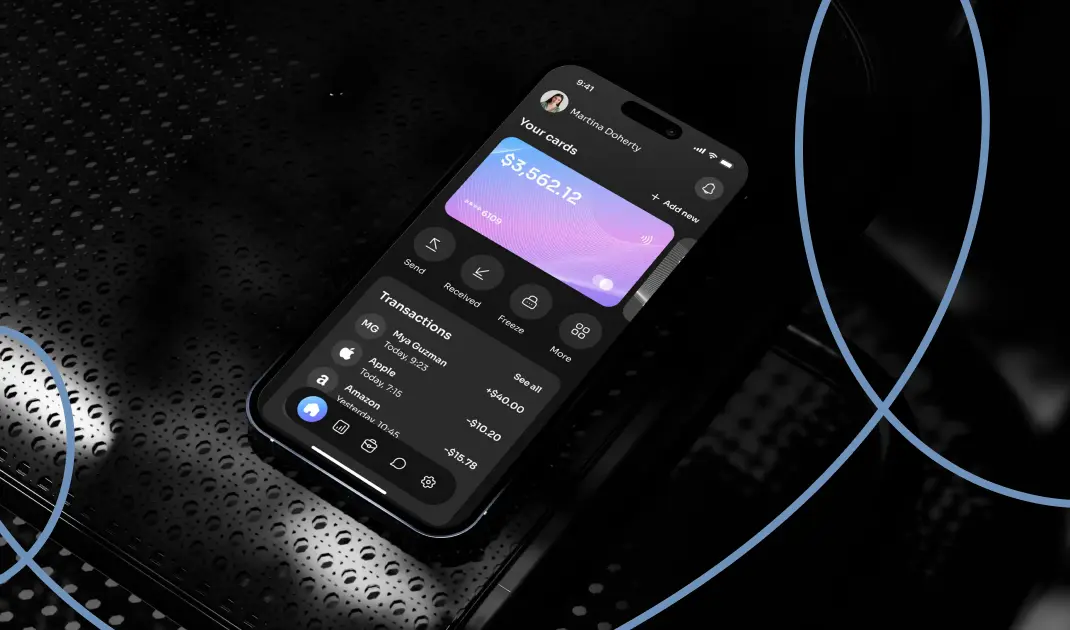
Mobile banking app on an iPhone

Neobank Europe

MVP to App Store + Google Play in 6 months · KYC/AML/GDPR by design

A mobile banking MVP for the European market with regulated onboarding, Trulioo-powered KYC, and compliance-sensitive user flows. We built it with React Native and Laravel, and the app successfully passed App Store and Google Play review shortly after development.

View Case

EdTech

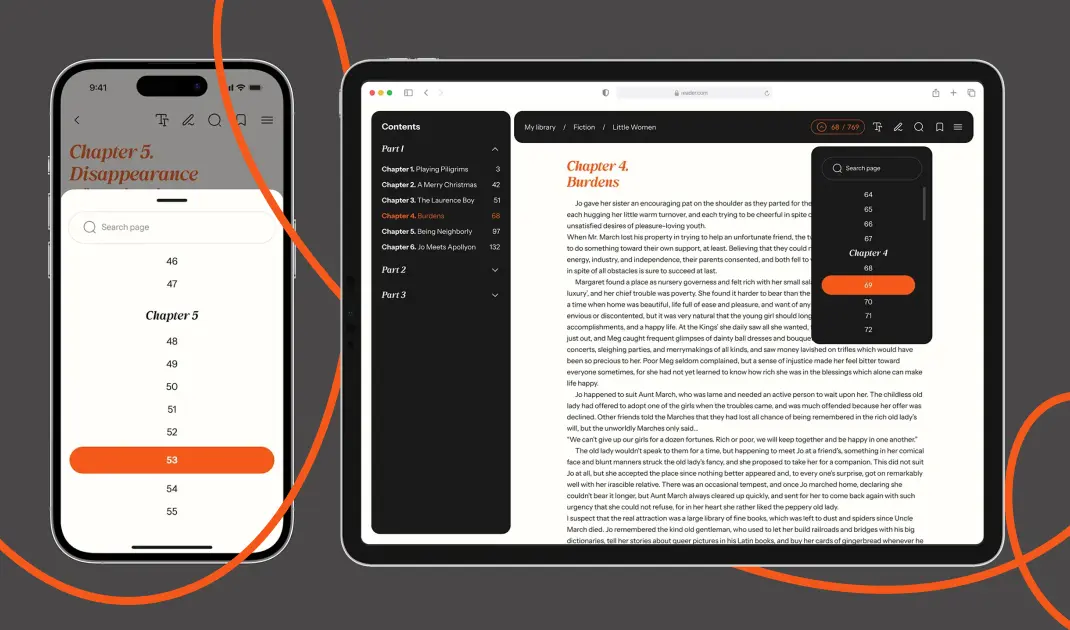
Digital reading app on an iPhone and tablet

Digital reading

3 apps released within planned timeframe · iOS + Android + web/admin

Mobile and web applications for an NDA-protected reading service with custom text highlighting, notes, search, reading themes, and typography settings. We built the product with React Native, Laravel, and Laravel Nova, and the apps passed store review by the requested deadline.

View Case

Logistics

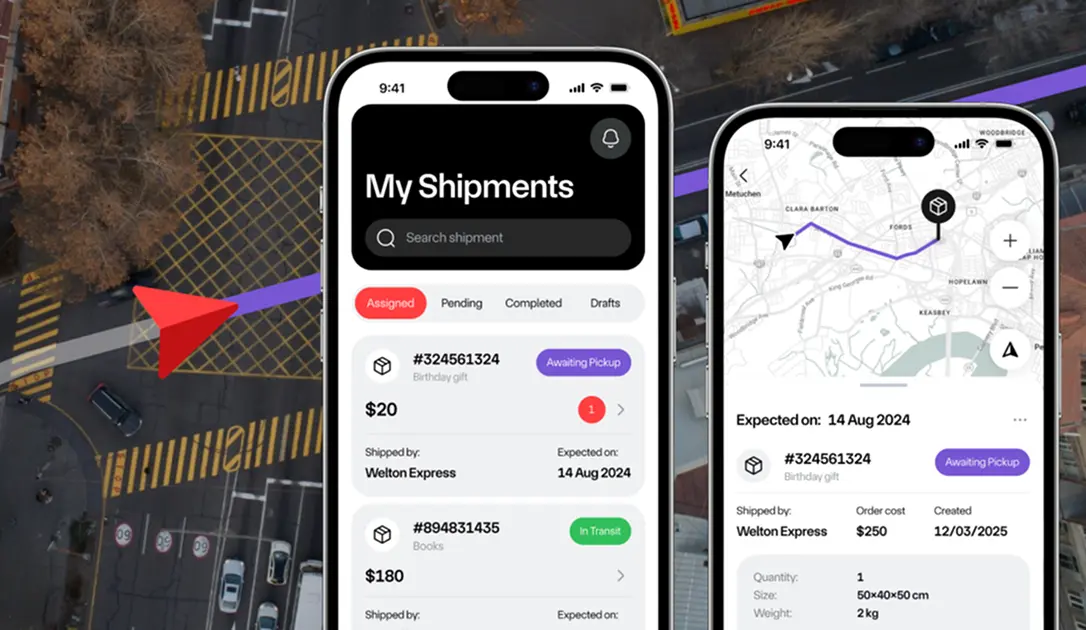
Last-mile delivery app on two iPhones

Last-mile delivery (B2B)

Three apps from one Nx codebase connected in real time

A B2B last-mile delivery platform for managing customer orders, drivers, and operations. We built a customer app and a driver app from one React Native codebase, plus an admin panel for the operations team. The system uses WebSockets for real-time order statuses, Google Maps, and route optimization, helping the client manage delivery workflows across mobile and web.

View Case

Fitness

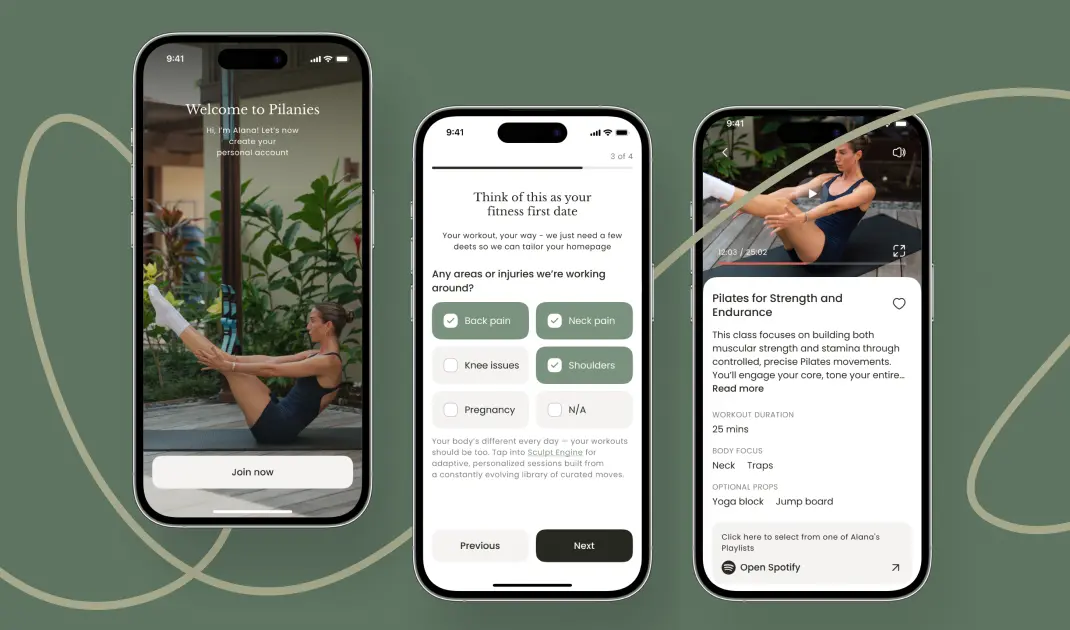
Pilanies Pilates workout app on iPhones

Wellness

App Store + Google Play · custom workout algorithm · speech recognition

Pilanies is a React Native fitness app for guided Pilates workouts, personalized training flows, and subscription-based access. We designed and developed the product from the ground up, including the Sculpt Engine, which turns a typed or spoken request into a personalized routine based on the user’s target muscles, equipment, restrictions, preferred duration, and difficulty. We also built third-party integrations and an admin panel for managing content.

View on Clutch

Marketplace

Lainappi rental marketplace app on an iPhone

Rental marketplace

10K+ Google Play downloads · 3,096 first-cohort Android downloads · App Store + Google Play

Lainappi is a Finnish rental marketplace built with React Native and Laravel. The client initially planned an iOS-only app, but moved to React Native to launch on both platforms from one codebase. We built core marketplace features, including Stripe Connect payments, real-time chat, and map-based search. Later releases added clustered map markers and rental availability for hourly, daily, weekly, and monthly bookings. Our work with Lainappi has continued for more than five years.

View Case
decor ball image
decor star image
decor star image

Don’t see your industry?

We’ve also built apps in travel, real estate, SaaS, healthcare, and retail, and we get up to speed in new domains quickly.

Tell us about your project on a discovery call, and we’ll be honest about whether we’re the right fit.

Book a Call

Process

We never jump straight into development without validating the idea first. Every stage of our development process delivers a tangible result. Testing and release preparation run alongside development, so the stage durations below are not meant to be added up.

  • 1

    Discovery call

    30 minutes · free

    We talk through your product, goals, and where you are now. We’ll help you understand whether cross-platform development fits your product, a ballpark budget and timeline, and whether we have the right specialists available for your timeline.

  • 2

    Analysis phase

    1–2 weeks · paid, $2,000–$3,000

    A separate paid step we recommend before development to de-risk the plan and often reduce the build budget. No obligation to continue with us — the document is yours either way. A free ballpark estimate is always available, before and without an analysis phase.

  • 3

    UI/UX design

    2–4 weeks

    We design the product in stages: visual concept, product map, and production-ready screens for iOS and Android. Both platforms share one design system, but we adapt navigation, gestures, controls, safe areas, permissions, and light/dark mode where needed. The final Figma file includes approved flows, reusable components, states, and React Native-ready specs, with each part reviewed by a second designer and approved by you before development.

  • 4

    Development

    4–6 weeks for a validation scope · 8–16 weeks for a full build

    We build with React Native and TypeScript from one codebase, while running iOS and Android pipelines in parallel. Development follows Scrumban with a visible backlog, weekly internal builds, regular demos, weekly progress reports, and estimate reviews after each phase.

    Quality is checked throughout: the backend is covered by automated tests, every feature passes developer testing, code review, tech-lead and manager review, then your testing on a staging build. For medium-to-complex projects we add automated frontend tests with Maestro. Sentry runs from development onward, surfacing runtime errors that manual testing can miss.

  • 5

    Release and handover

    release part: ~1 week

    Store review is part of delivery, not an extra step at the end. A first-submission rejection is normal: we know the common review patterns, prepare the app for submission, and handle feedback through iteration — so every app we’ve shipped has passed on both the App Store and Google Play. After release, you receive the source code, documentation, and CI/CD pipeline — all yours, with no lock-in.

What the analysis phase covers

The analysis phase answers the questions that shape a cross-platform build before development starts: what stays React Native, where native code is needed, and how the product is scoped.

We work through these with you:

  • Cost optimization

    We unify overlapping flows and reuse components, so the same goal takes less to build, which can trim the development budget, not just the risk.

  • Scope and user flows

    In close collaboration with you, we find the best way to turn your ideas into user stories and flow maps, then narrow the first-release scope using MoSCoW — sorting features into must-have, should-have, could-have, and won’t-have.

  • React Native feature fit

    The discovery call gives a high-level fit check; during the analysis phase, we check whether proven React Native solutions exist for your specific features and constraints, and recommend native where they don’t.

  • Native boundaries

    We define which features can stay fully React Native and where native code may be needed, for example BLE, AR, camera, or sensor-heavy functionality. You leave with a clear list: these screens need native inserts, the rest can stay pure React Native.

  • Architecture for what’s next

    We design how the app and backend fit together and how they connect to the services your product depends on, so the structural decisions made now keep the next 6–12 months of features easier and more cost-efficient to add — instead of forcing a rewrite once you grow.

You get:

  • User stories and flow maps

  • Prioritized MVP scope

  • Map of what features stay React Native and where native code is needed

  • Platform, architecture, and store-review risk list

  • Confirmed tech stack: backend, integrations, and native modules

  • Detailed estimate broken down by development stages

Choosing your cross-platform approach

CriteriaReact NativeNative iOS + AndroidFlutter
iOS + Android from a single codebaseReact NativeOne shared codebaseNative iOS + AndroidTwo separate codebasesFlutterOne shared codebase
Budget and delivery speedReact NativeOne cross-platform processNative iOS + AndroidTwo platform teams and processesFlutterOne cross-platform process
Web-version from the same codebaseReact NativePossible with Nx monorepoNative iOS + AndroidRequires a separate web projectFlutterFlutter Web; SEO and UX trade-offs
ARKit, VisionKit, or CoreML as a core featureReact NativeRequires native modulesNative iOS + AndroidBest fit for deep native functionalityFlutterRequires native integration
OTA hotfix without store reviewReact NativeExpo Updates for eligible changesNative iOS + AndroidStore review requiredFlutterLimited; binary changes require review
Your team already builds with Dart/FlutterReact NativeAdds new stackNative iOS + AndroidAdds new stackFlutterKeeps your stack
Our product experienceReact Native20+ apps since 2020Native iOS + AndroidNative modules when neededFlutterNot our stack

React Native

is our default choice when a founder needs iOS and Android from one team, with standard mobile features, fast iteration, and a possible web version later.

It fits products where speed, budget control, shared logic, and OTA updates matter more than deep platform-specific functionality.

Native iOS and Android

are the better route when deep platform features are the product itself — heavy AR, on-device AI, Apple Watch or Wear OS apps, real-time audio, or hardware-level security. The same applies if you already have a large, well-invested native codebase. We make this call directly: we assess the general fit on the discovery call and, if you choose, dive deeper into specific features during the analysis phase.

Flutter

can be the right choice when your team already works in Dart or Flutter is your company standard.

We don't work in Flutter and won't learn it on your project, so we'll be upfront and recommend a team that specializes in it.

Our tech stack

Mobile core

  • React Native + TypeScript — one shared codebase with shared business logic

  • Expo — SDK, prebuild (CNG), and over-the-air updates

  • Expo Router — file-based routing and navigation

  • Nx monorepo with Next.js — a web version that reuses the mobile app's TypeScript logic

  • Native Modules — drop to native (Bluetooth, camera, sensors, payments) when a feature needs it

App toolchain

  • Redux Toolkit + RTK Query — state and data

  • React Hook Form + Yup — forms and validation

  • Unistyles — styling

  • Reanimated — animations

  • Legend List (and FlashList) — lists and performance for large, data-heavy screens

  • MMKV — fast on-device storage

  • i18n-js + Expo Localization — localization; all copy is translation-ready, so adding another language later is a one-place change

  • react-native-maps + Expo Location — maps and location

  • Expo Notifications (FCM/APNs) — push notifications

  • Pusher — real-time and chat

Quality and monitoring

  • Jest + Testing Library — unit and integration tests

  • Maestro — automated E2E for larger projects

  • Sentry — crash and performance monitoring across mobile and backend

  • Real iOS and Android devices, not just emulators

CI/CD

  • Expo EAS — build and submission pipeline

  • GitLab CI/CD — our default self-hosted setup

  • GitHub Actions or Bitbucket Pipelines — when we work in your repositories

Backend

  • Laravel + PHP — our default backend

  • Node.js — real-time and event-driven services

  • Python — data and AI-heavy services

  • PostgreSQL / MongoDB — relational or document storage

  • Redis — caching and queues

How we scope and price a project

A validation-scope React Native app for iOS and Android starts at around $20,000–$40,000 and 4-6 weeks. Larger products with more user roles, integrations, and backend complexity take longer — we size each project to its scope.

See full pricing breakdown

What's behind our $50/hr rate

Your budget goes to the team building your product: one React Native team covering both iOS and Android. We don't add reseller markups, heavy sales layers, or extra account management overhead — the costs that often push US agency rates to $150–200/hr.

Same senior engineering work. Leaner delivery model.

Fixed-price or time and materials

Once analysis has defined your scope, we can work at a fixed price. If the product is still changing, we bill for time and materials — you pay for the hours actually worked.

Either way, we re-check the estimate after every phase, so you always know the current budget.

Talk to our CTO

Evgeny Leonov, CTO at Ronas IT

Evgeny Leonov

CTO, Ronas IT

Evgeny has 13+ years in software engineering and 7+ years as CTO at Ronas IT. Under his guidance, 120+ apps have moved from idea to release.

Master's in Computer Science · Author on the Ronas IT blog · Ronas IT GitHub maintainer

At many agencies, stack and architecture decisions happen after you sign. On our projects, those calls are mine: React Native or native, platform trade-offs, and first-sprint priorities — all based on your requirements.

Want to talk it through directly? We can set that up. No pitch.

Open-source tools built by our engineers

We maintain 77 public repositories on GitHub, including React Native tools for cross-platform development: open-webui-react-native, react-native-common-modules, and nx-generators for web + mobile monorepos.

They reflect how we build production apps: reusable modules, shared logic, cleaner structure, and less repetitive setup across platforms.

We also maintain backend tools like laravel-swagger, a 180+ star package for generating OpenAPI documentation from feature tests.

Related articles

The cover of the article features a girl with a mobile phone screen to her left, surrounded by iOS and Android platform logos. to her right, there are interfaces of different devices: a tablet, a desktop, and a mobile phone, along with Flutter and React Native logos, symbolizing cross-platform development capabilities. the girl rests a finger on her chin, a gesture of contemplation, as she ponders which approach to building a mobile app is best to choose.
Tech
Native vs. cross-platform app development: how to choose
2026-08-04 15 min read
A guide to how long app development takes, phase by phase
How to
How long does app development take?
2026-08-04 13 min read
development estimation
How to
How to estimate the development of a website or an app?
2022-03-24 14 min read
An illustration of a person holding a wrench and climbing a staircase of progress bars towards a trophy
How to
How to outsource mobile app development: a seven-step guide for 2026
2026-08-04 18 min read

FAQ

How much does cross-platform app development cost?

Cross-platform app development starts at around $20,000–$40,000 and 4–6 weeks. The precise estimate depends on the project scope. After the free discovery call, you can choose an analysis phase before development. It costs $2,000–$3,000, takes up to 2 weeks, and gives you a detailed estimate with development phases, scope, and risks.

How long does it take to build a cross-platform app?

A validation-scope app can be ready in 4–6 weeks. A typical full build takes 2–4 weeks for UI/UX design and 8–16 weeks for development. If the project needs an analysis phase, add up to 2 weeks. For example, the EU Neobank app took 6 months from project start to release on the App Store and Google Play, including banking compliance. Store review can add another 1–7 days to the timeline, but we account for this in advance.

Is React Native truly cross-platform or does it require platform-specific code?

A single shared codebase covers the large majority of the product. Platform-specific code is usually written for iOS and Android navigation patterns, push notifications, payments, and permissions. This distribution is part of the standard architecture, not a weakness of the approach. Lainappi, Buke, and OddsCrowd all ship to Google Play and the App Store from one React Native codebase and one team.

When would you recommend against React Native?

We don’t recommend React Native when the product’s core depends on platform-specific APIs such as ARKit, VisionKit, or Core ML; real-time audio processing; Apple Watch or Wear OS companion apps; or a large existing native codebase. If your team is standardized on Flutter, we’ll tell you on the discovery call and recommend a Flutter-focused team.

Do you work with Flutter?

No. We’re a React Native team, so if Flutter is the better fit for your product — for example, your team already works in Dart, or Flutter is a company standard — we’ll tell you that on the discovery call and point you to a Flutter-focused team instead of forcing the wrong stack.

Will my app need a rebuild as it grows from MVP to scale?

No. We architect the first release to scale without a rewrite: a typed shared codebase, a modular feature structure, and a backend we can extend as load grows. React Native runs the same app from 1K to 100K+ users — what changes is infrastructure and team size, not the framework. The app we developed for Lainappi has been running on the same React Native codebase for 5+ years.

Can a React Native app pass App Store and Google Play review?

Yes. A first-submission rejection is normal, and it has happened on our projects. Apple rejected OddsCrowd because the app offered social login without Sign in with Apple, which Apple requires: we added it and the app was approved three days later. Google Play rejected the same app twice over policy wording, which we corrected and resubmitted. Every app we’ve shipped has cleared review in both the App Store and Google Play.

What is an OTA update and when can I use it without App Store review?

Expo Updates lets us update the app’s JS layer — interface, business logic, and content — without submitting a new build to the app stores. OTA updates can reach users within hours, while App Store or Google Play review usually takes 1–7 days. Users get the update on a later restart. Native code changes, such as new modules or permissions, still require a store release.

Can I get a web version from the same codebase?

Yes. We share business logic, types, and API calls across mobile and web in an Nx monorepo, with the web app built on Next.js. The result isn’t a mobile screen stretched into a browser, but a proper web app that reuses the logic — so you ship to iOS, Android, and web without three separate teams.

Can you work with our existing backend or migrate our native app to React Native?

Yes, in both cases. If you have a backend or web product, a React Native client works with any REST or GraphQL API, so adding a mobile app is a standard scenario; when we build the backend ourselves, we use Laravel, Node.js, or Python. If you run separate native iOS and Android apps, we can move them to one React Native codebase with one team instead of two. We map reuse and missing APIs in the analysis phase ($2,000–$3,000).

How do you protect my app and user data?

We design security into the app and backend together. On the client side, no secrets are shipped in the app bundle, and auth tokens are stored in the device’s secure storage: the iOS Keychain, or on Android in storage encrypted with a key that never leaves the Keystore. Data is encrypted in transit and at rest. On the backend, access follows the least-privilege principle with per-user data scoping and enterprise-grade infrastructure such as GCP, AWS, Cloudflare, and GitLab. We can sign an NDA before we see anything. For regulated products, compliance is built in from the start — for example, we’ve taken a European neobank app through KYC, AML, and GDPR review.

Is the analysis phase required before development?

No. A free ballpark estimate is always available after the discovery call. If you want a detailed, de-risked plan before development, you can choose a paid analysis phase: $2,000–$3,000, up to 2 weeks, with user stories, scope, risks, confirmed tech stack, and a detailed estimate you own.

Who will be working on my app day to day?

For cross-platform app development, you’ll work with a dedicated project team focused on your product: in-house engineers, no subcontractors. You’ll have a project manager, 2+ engineers, and direct access to the team through a shared board, with at least 4 overlapping working hours across time zones. Our CTO joins the project for architecture decisions. The final team composition is determined once the scope is confirmed.

What happens after launch?

After launch, we stay as an extended engineering team: iterations continue at $50/hr or under a monthly plan. JavaScript fixes delivered through Expo Updates can reach users within hours. We also monitor store policy changes, including target SDK and Data Safety. Full handover is available anytime: the code and all artifacts belong to you.