Backend development services
Ronas IT delivers efficient and scalable backend development services, enhancing the performance and growth potential of your applications.
Backend development workflow
By choosing us as your backend development company, you can expect the following workflow for your mobile app development or web product software development.
- 1
Gathering requirements
We collect details about your concept to determine the necessary basic and non-standard features. We review third-party services and existing libraries that could reduce software development costs. Our analysts then create a detailed project breakdown and provide estimates for cost and time.
- 2
Plan 2–3 week sprints
Our backend developers employ short iterations to deliver tangible results, such as a new app version, for your review after each sprint. The development plan is aligned with the application's design.
- 3
Establish scalable architecture and write clear code
We leverage pre-existing basic features and tailor them to your specific needs to save time. This allows a dedicated backend developer to focus on building unique features and providing rapid and efficient implementation.
- 4
Establish development environment
This step involves the creation of a development environment. This is a sort of workspace where our DevOps team work on the technical processes of building (assembling all the elements of the project) and deploying (pressing it into service or making it operational).
- 5
Develop features with automated tests coverage
We write code and create automated tests to facilitate smooth modifications and bolster release resiliency. These tests also generate API documentation, streamlining communication within the team. Our autotests incorporate generative AI and our custom library of standard solutions for expedited development.
- 6
Ensure stable software operation
We conduct automatic API tests and end-to-end product testing to prevent user issues. We use Sentry for error tracking and performance monitoring and employ kube-prometheus-stack for cloud management, while Argo CD assists in tracking deployment issues.
- 7
Bring the software into production
Our engineers set up several environments where the created product can be deployed. Usually, we set up three environments: a development environment used by backend developers, a staging environment where the customers can check our progress, and a production environment, where software becomes available for use.
- 8
Provide post-launch maintenance
As we’re more than just a backend development company, our services do not stop with the web or mobile app release. Once an MVP or the first version of the app is released, a back end developer you worked with can remain engaged to add new features, enhance the product based on user feedback, and address any bugs that may occur.



Backend development services we provide
Cloud-based solutions
For those looking to collect user data, track customer activities, and use other backend services without investing in physical servers, we offer cloud-based solutions. Our default choice in software development is to utilize cloud services, unless requested otherwise by the client.
API development and integration
If your goal is to enable your application to interact with other apps or data sources, our team is skilled in building the necessary connections.
Web backend development
We provide comprehensive backend services to ensure your web application operates at full capacity with all the needed functionality.
Custom development
For complex features or unique solutions for your product’s business logic, we offer our expertise to bring your ideas to life through our software development services. Our approach to mobile and web development is inherently customized; we utilize our proprietary solutions developed through years of industry experience for any pre-built features.
Mobile backend development
API versioning is a standard practice in our mobile app development process to ensure clients experience no interruptions during updates on the client side. A robust backend API to seamlessly handle data processing and communication between the mobile app and the server.
Delivering backend solutions across industries
As a versatile backend development company with expertise in web development, API development, and mobile app creation, we deliver backend solutions across a range of industries, each with its unique set of challenges and needs.
Fintech
We develop secure solutions that adhere to regulatory requirements, integrating the backend with various payment systems and financial platforms to provide seamless transactions and efficient money management.
Healthcare
Our team collaborates with medical organizations of all sizes, from hospitals to pharmacies, providing not only HIPAA compliance but also the safeguarding of user data with robust security measures.
Travel
Our back end development service can handle it all: apps for booking flights and apartments, website development for a hotel, or a CRM that manages all aspects of travel and hospitality.
Marketplace
We create scalable solutions for e-commerce, focusing on catalog management, order processing, loyalty systems, and handling high traffic to boost sales growth.
Logistics
We develop logistics software solutions that improve supply chain and fleet management, automate warehouse processes, and boost customer experiences, providing improved operational efficiency.
Education
We build software that supports easy learning and prevents intellectual property from being misused, ensuring that resources are well-organized while respecting the rights of creators.
Retail
We specialize in developing intuitive web and mobile applications for the retail industry, focusing on personalized shopping experiences, omnichannel integration, and data-driven insights to optimize sales strategies.
Backend development technologies
We provide rapid backend development and automated deployment of apps, leveraging effective technologies in the field, including:
Languages and frameworks
PHP
PHPUnit
Laravel
Python
Libraries
Pusher
Laravel Echo
Laravel Nova
Tools and environment
Sentry
PHP CS Fixer
Docker
OpenAPI/Swagger
Coveralls.io
Laravel Telescope
Data management
MongoDB
PostgreSQL
Google Pub/Sub
Redis
Elasticsearch
What architecture is right for your project?
In software development, architecture is the blueprint for how a software system is built. It outlines how different parts of the system work together and includes decisions about the tools and technologies used. Choosing between monolithic and microservices architecture is one of the key decisions, and we assist in making this choice based on your goals, budget, and scaling plans.
Monolithic architecture
All application components are combined into a single, unified codebase and deployed as one unit. Best suited for:
Minimum Viable Products (MVPs)
Early-stage startups
Small projects with simple requirements
Teams needing fast time-to-market and straightforward development
Advantages
Rapid development and deployment:
The unified codebase allows quick prototyping and faster release cycles, critical for startups validating their ideas.
Simplicity:
Easier to understand, develop, test, and debug since everything resides in one place.
Lower operational overhead:
Requires less infrastructure and fewer resources to manage, reducing costs for small teams.
Better performance for tightly coupled components:
No network overhead between components, which can improve speed in some cases.
Ideal for small teams:
Simplified collaboration and communication within a single codebase.
Microservice architecture
The application is split into many small, independent services, each responsible for a specific business function, communicating via APIs. Best suited for:
Complex, large-scale systems
High-load platforms requiring rapid, independent scalability
Organizations with multiple development teams working in parallel
Projects needing high flexibility, resilience, and continuous deployment
Advantages
High scalability:
Each microservice can be scaled independently based on demand, allowing for efficient resource utilization.
Flexibility:
Individual teams can develop, deploy, and update services independently, encouraging faster innovation and adaptation.
Resilience to failures:
A failure in one backend service does not affect the entire system, providing overall reliability and uptime.
Technology diversity:
Teams have the freedom to choose the best-fit technologies for their services, optimizing for performance and functionality.
Support for CI/CD and DevOps practices:
The modular structure aligns well with modern development workflows, facilitating frequent and reliable releases.

What’s more?
Backend development forms the backbone of any application, serving as the foundational server-side technology that powers an app's functionality. It is indispensable for handling data storage, server logic, and ensuring seamless integration between different parts of the app.
Complementing this is frontend development, which provides the user-facing interface that allows for interaction with the backend's processes. Together, these two crucial aspects of development work in harmony to produce a comprehensive user experience.
Our expertise encompasses both these critical domains. Discover the value added by our professional frontend development services. For more detailed information about our offerings, please follow the link.

Cost
Backend development services
The precise cost for backend development services depends on your project’s complexity and the number of features.
Apart from being your frontend and backend development company, we can offer more than just building your product. We can make it look neat, operate with AI, and properly maintain it.
Maintenance and support
After we finish the software development process and deploy the app into production or upload it to online stores, our collaboration doesn’t have to end. We can continue to monitor if the app works properly, fix bugs on time, and prevent errors. We offer maintenance and support services for a $1,000 subscription.
AI integration
If you want to integrate AI tools into the server side of your product for analytics, task automation, or customer service purposes, our backend developers can make it possible with REST API development.
DevOps services
Our services include development environment setup, which helps a live environment run stably while engineers make changes or experiment with backend development. We also offer monitoring and infrastructure support that helps track the product once it is deployed.
UI/UX design
Designing interfaces has been going hand in hand with our backend development services since 2007. The UI/UX designs we create are fully customized and adhere to guidelines for designing for different platforms.
E-commerce special offer
For companies looking for a rapid rollout of their marketplaces, we’ve developed a method to combine a Shopify backend solution with a customized design, without repeated templates.
Our cases
Businesses leverage our backend development services for different purposes: to build a product, supply a mobile app with an admin panel, or integrate APIs. We can help find backend development services that resolve your particular issue.
Oddscrowd
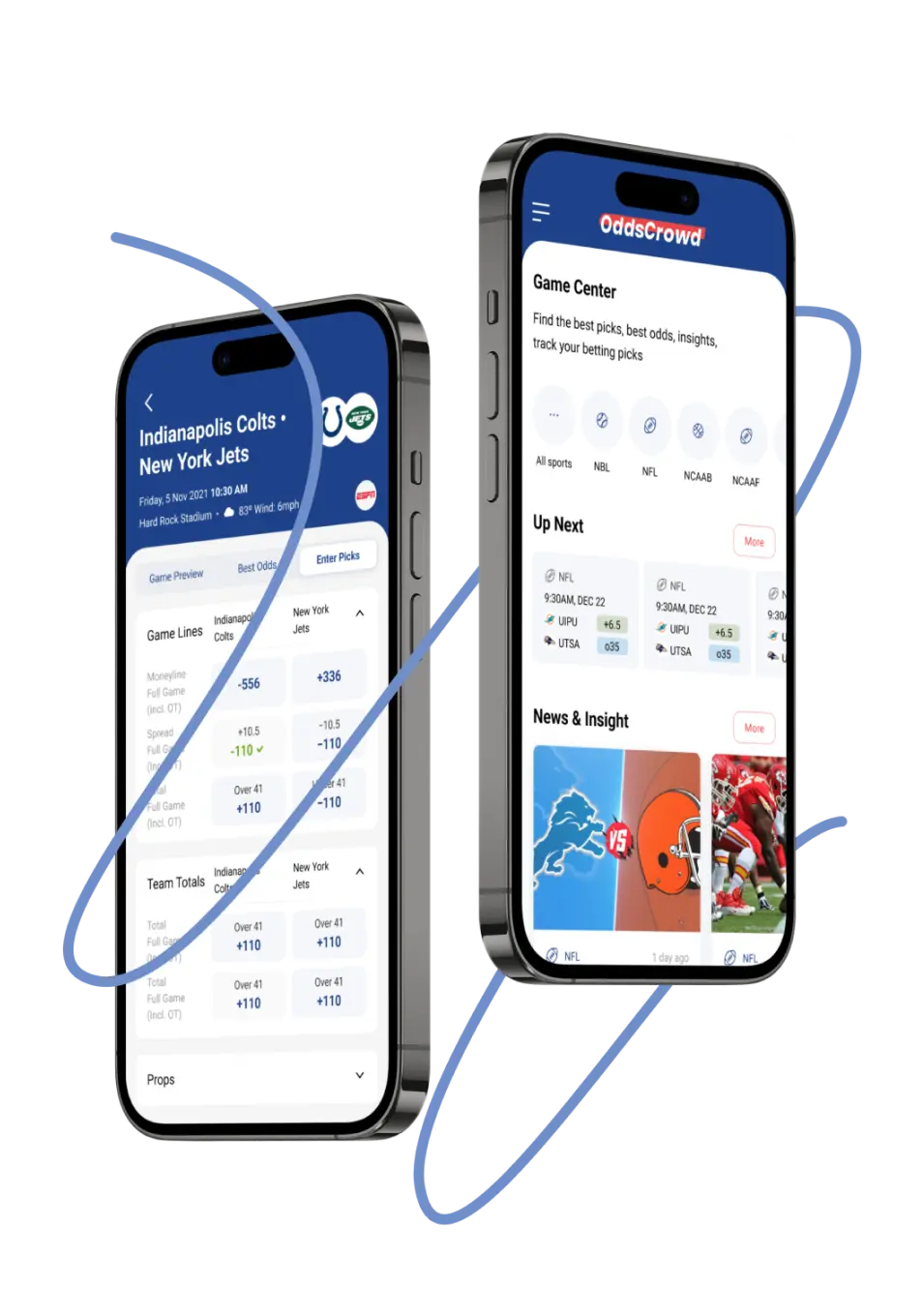
OddsCrowd is a web platform that collects information on sport games, providing sport bettors with the latest updates. The information on the website is regularly updated with analytics and news. We built a backend solution that optimized performance with server-side rendering, provided data integration with robust error handling, and enabled transactions and user access through PayPal and OAuth, despite challenges related to third-party service stability and evolving data structures.
Hamperapp
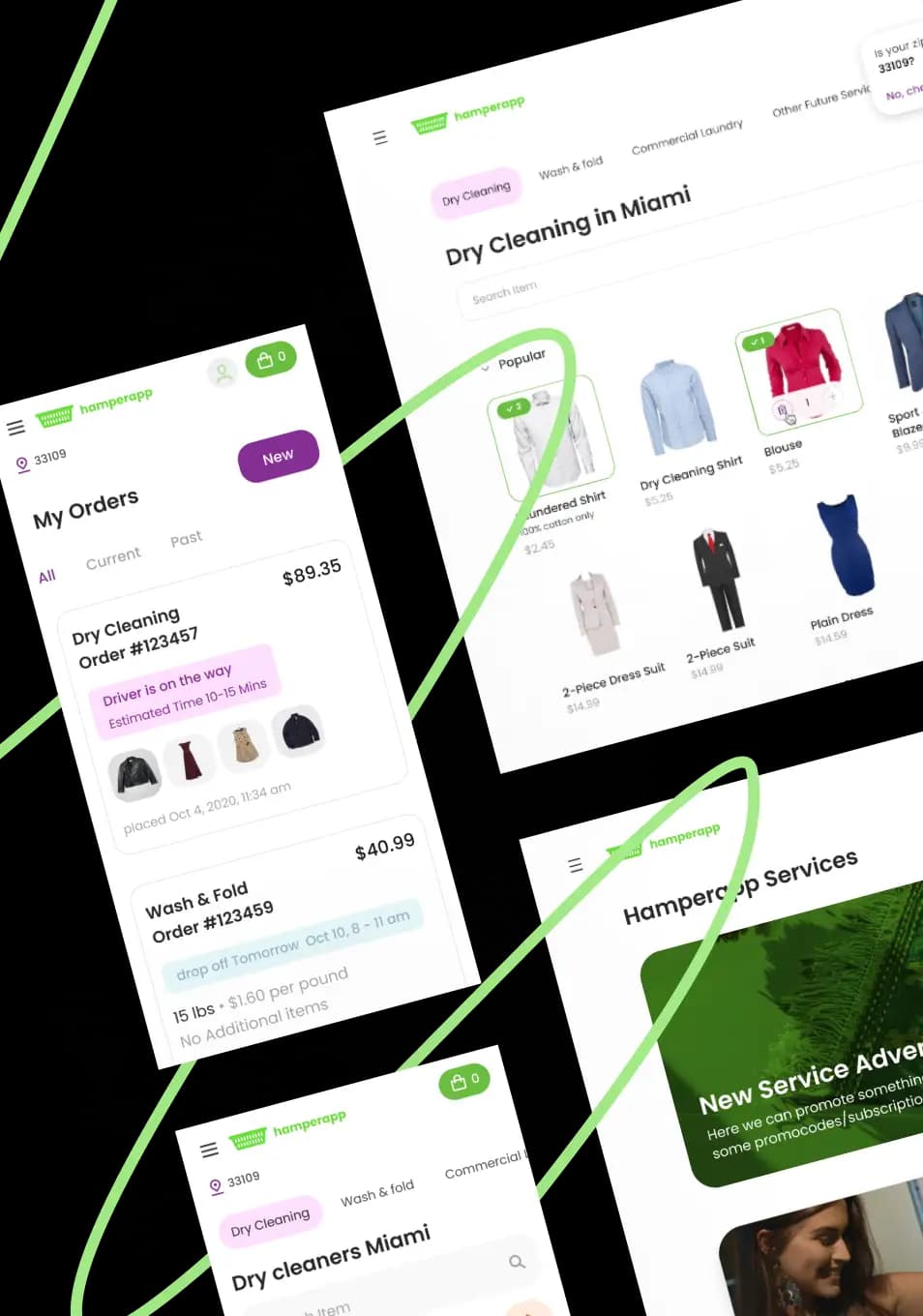
Hamperapp is an application for a laundry service which consolidates a mobile app, web version of the client application, and admin panel.
Our backend developers Hamperapp's backend with Laravel, using NgRx for state management in Angular, and integrated Stripe, Ably, and Mapbox for efficient order processing, payments, real-time updates, and route optimization. Our custom software development resulted in a doubling of users annually and 30 users registering in the app per day.
ShipMe
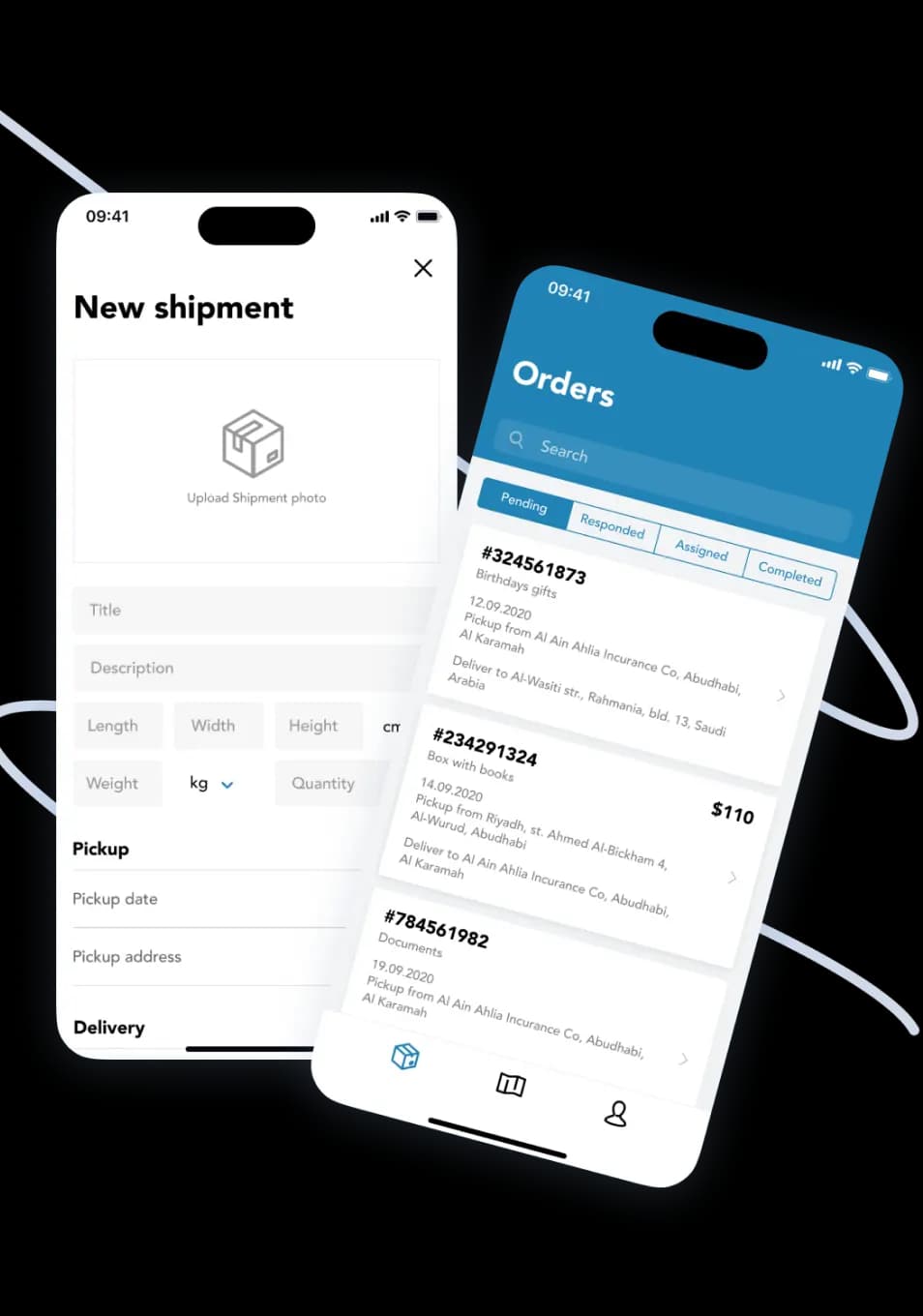
ShipMe is a parcel delivery service with multiple roles: carriers, shippers, and managers. The project included native mobile and web development. We built a backend system that helps connect customers with shippers, allowing auction-style bidding for shipments, while managing user roles and delivery tracking through solid data handling and real-time updates using Laravel and Angular.
UK Retreats
UK Retreats is a mobile-first web application that offers unusual stays across Great Britain. It provides access to bookings by subscription. We designed a backend system that streamlined property management and email communications for UK Retreats, using Laravel for API development support, Laravel Nova for the admin dashboard, Mailgun for email dispatch, and Google Geocoding API for location mapping.
In the first month after launch, the app went from 0 subscribers to 850.
Noah
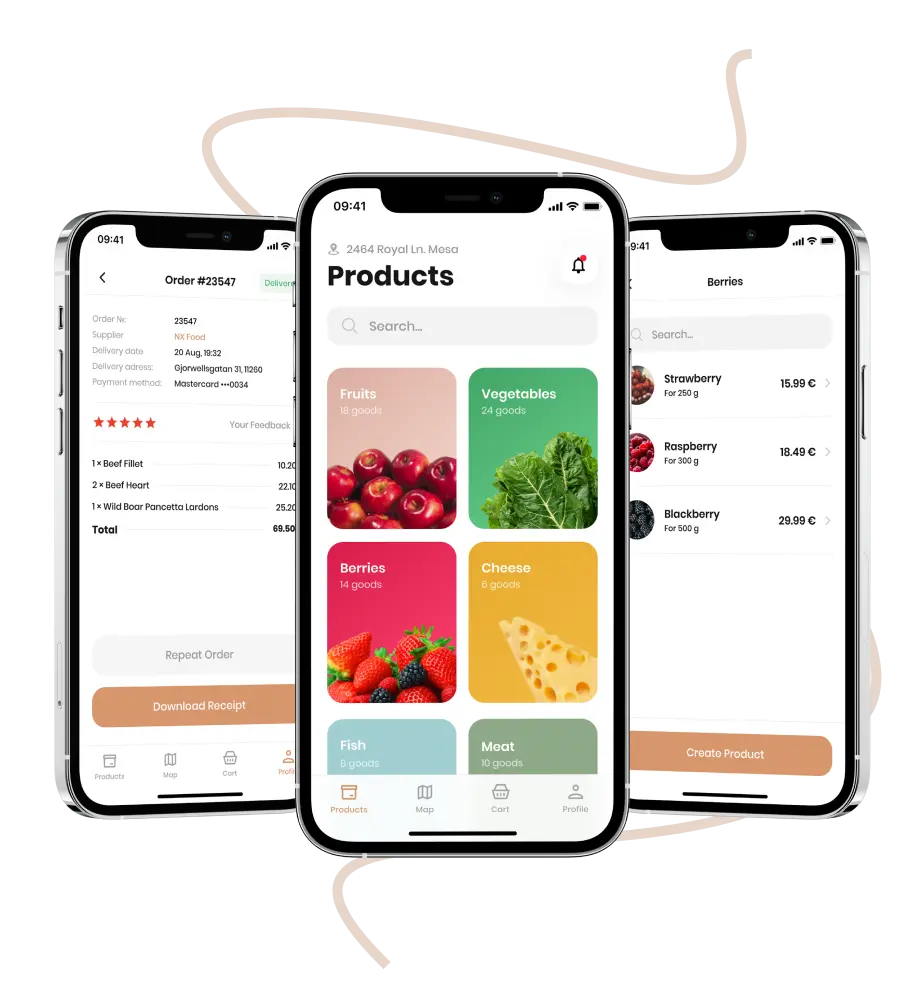
Noah is a Swedish application that directly connects farmers with their customers. For this project, mobile app backend development focused on creating functionality for consumer and producer applications, while the admin panel for managers was developed through backend web development.
Our development team created a robust system for the Noah marketplace to manage users, products, and transactions securely, using Laravel for API development, Stripe for processing payments, and Google Map SDK for location services.
Neobank
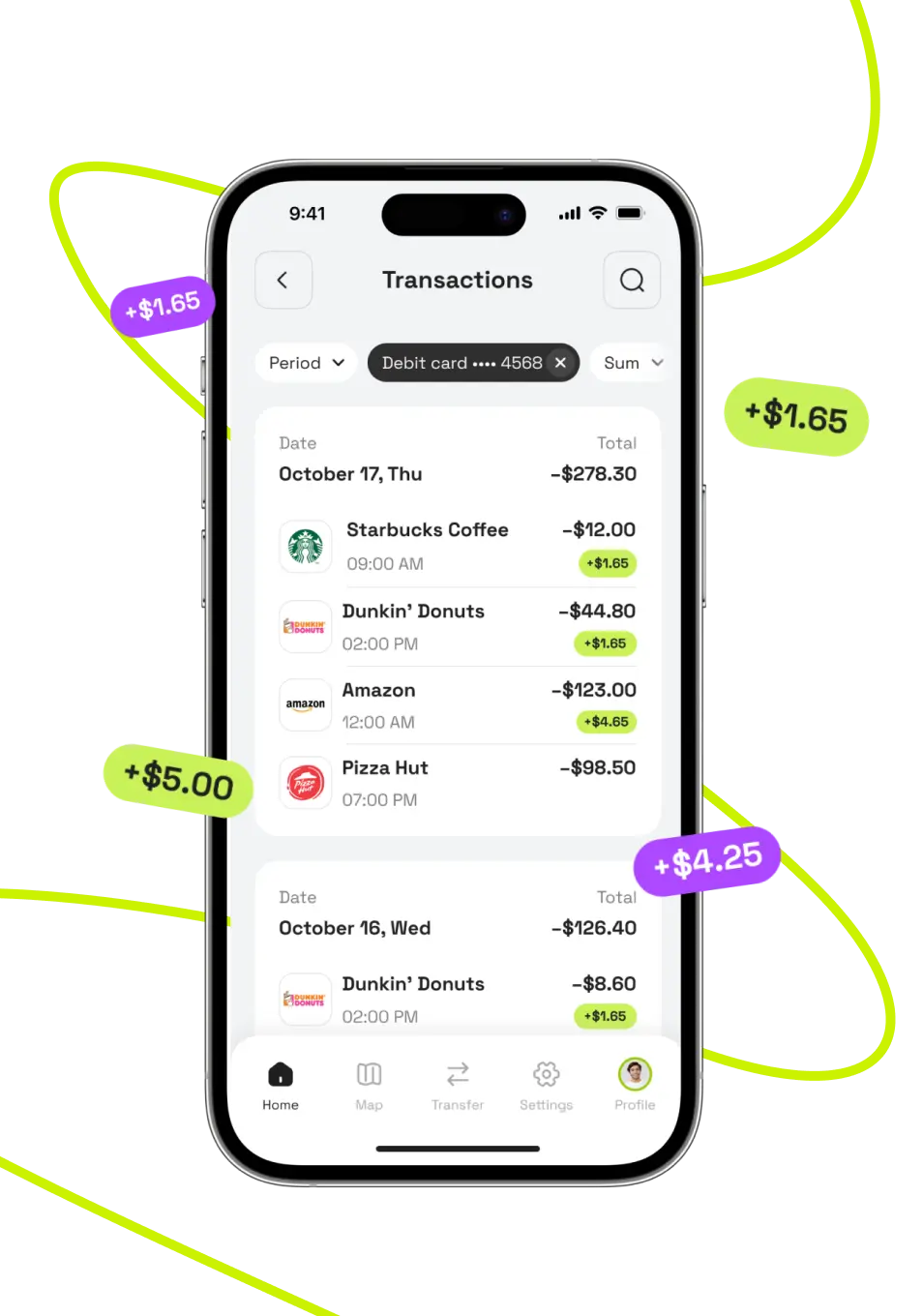
Neobank is a US-based application created to assist users in building their credit scores and managing financial transactions. We built a user-focused mobile app and a robust administrative backend using a microservice architecture for secure operation. Using Laravel, our backend developers integrated Bond for banking services and Auth0 for authentication, alongside various third-party tools for KYC, data management, and user interactions, providing scalability, security, and compliance with financial regulations.
Why choose us?
Scalable code
We write clear, scalable code which makes our projects live long, easy to update and adaptable for business growth. To make sure there are no flaws, we practice code reviews for all our projects.
Cutting-edge technology
We use the most popular and robust technologies for software development and constantly improve our skills so we don’t fall behind the competition.
Workflow transparency
We keep you informed on the backend development process weekly and notify you of updates as soon as they are completed.
Full-cycle development
If you ever need to update your product, require ongoing support, worry about the feasibility of your idea, or question how the app will be deployed after backend development — we can take care of it for you.
Uninterrupted monitoring
In case you proceed with our support and maintenance, we’ll quickly react to any occurring issues or bugs that crop up, ensuring the stable work of our backend solution.
Flexible approach
Our experienced developers can work with tasks of various complexity. Even though we have a core tech stack, we are not limited to it if a certain backend technology better helps to achieve custom software development goals.
Security and performance by design
Security
In our backend development service, we deliver secure applications for our clients by using the following tools and measures:
Cloud platforms:
Use GCP, AWS, and Azure for secure, scalable infrastructure.
CI/CD:
Employ GitLab and ArgoCD for secure deployment processes.
Authentication:
Leverage Auth0 for robust user authentication.
Access control:
Establish fine-grained access controls using tools like Auth0 and GitLab.
Data security:
Store sensitive keys in GitLab environments and secure systems with project-level VPNs.
Framework protection:
Use Laravel for built-in security measures against vulnerabilities.
How we adhere to global compliance and security standards
Every digital product we develop is designed and built in full accordance with international and regional security and privacy requirements. Our technology stack, development practices, and partner toolsets are selected to help you pass regulatory audits worldwide, and launch your product in any region.
Our projects comply with and are built according to the requirements of:
General
SOC 2 (International)
ISO/IEC 27001 (International)
CCPA/CPRA (USA)
GDPR(EU)
NIS2 Directive (EU)
PIPEDA (Canada)
Australian Privacy Act
DIFC (MENA)
ADGM (MENA)
PDPL/PDPPL (MENA)
Fintech
PCI DSS (International)
GLBA (USA)
FFIEC (USA)
GDPR(EU)
PSD2/PSD3/PSR (EU)
DORA (EU)
OSFI Guidelines (Canada)
APRA/ASIC guidance (Australia)
ISO/IEC 27001 (International)
SOC 2 (International)
Healthcare
HIPAA & HITECH (USA)
HITRUST CSF (USA)
ISO/IEC 27001 (International)
ISO 13485 (International)
MDR/IVDR (EU)
GDPR (EU)
PIPEDA (Canada)
Australian Privacy Act
Edtech
FERPA (USA)
COPPA (USA)
CCPA/CPRA (USA)
GDPR (EU)
PIPEDA (Canada)
Privacy Act (Australia)
ISO/IEC 27001 (International)
SOC 2 (International)
NIST (USA)
ISM (Australia)
DPIA-driven or contractual privacy programs
All software solutions we deliver follow secure‑by‑design principles, privacy by default, and DevOps methods that meet the latest requirements of these frameworks. This ensures your product is ready for regulatory review and trusted by users and partners across any region or industry.
Performance
We implement practices that help us as a backend development services company to overcome bottlenecks and expedite app development and releases:
Code level optimization:
We use the latest versions of PHP and Laravel, carefully optimize database queries, and apply caching with Redis for fast server responses.
Instant interface response:
We move resource-intensive tasks, such as report generation, to background queues. The website remains responsive, allowing users to continue their activities without delay.
Flexible and reliable infrastructure:
We design applications to run in containers using Kubernetes, which allows for easy scaling both horizontally and vertically as demand increases. When needed, we also use managed cloud services like Cloud SQL and Cloud Storage to enhance the fault tolerance and reliability of your data storage.
Proactive monitoring and scaling:
We don't wait for problems in app development — we prevent them. By using tools like Laravel Telescope for real-time performance monitoring, we keep your applications running smoothly.
Reviews
Our clients rate our services highly, emphasizing their great experiences with our responsive team and comprehensive skills ranging from UI/UX design to frontend and backend development services.
Numbers
across 4 platforms