Boosting performance: Advanced optimization strategies for mobile and web apps


Users expect software to run smoothly, whether it's a mobile app or a web app. Meeting these application performance demands takes more than quick fixes. Businesses now turn to advanced mobile and web app optimization strategies to improve speed and reliability. Strong performance optimization can set your product apart and help you build trust with users.
In this article, we'll look at practical approaches to optimization for mobile app and web app projects and why applying these methods in app development is crucial for any business.
Why performance optimization is crucial for digital businesses
For digital businesses, performance optimization is a foundation for growth and success. Making sure your app performance stays high allows your company to meet customer needs, improve business metrics, and stay competitive. Slow or inefficient mobile app experiences can push users away, reducing the impact of even your best ideas.
Better user experience
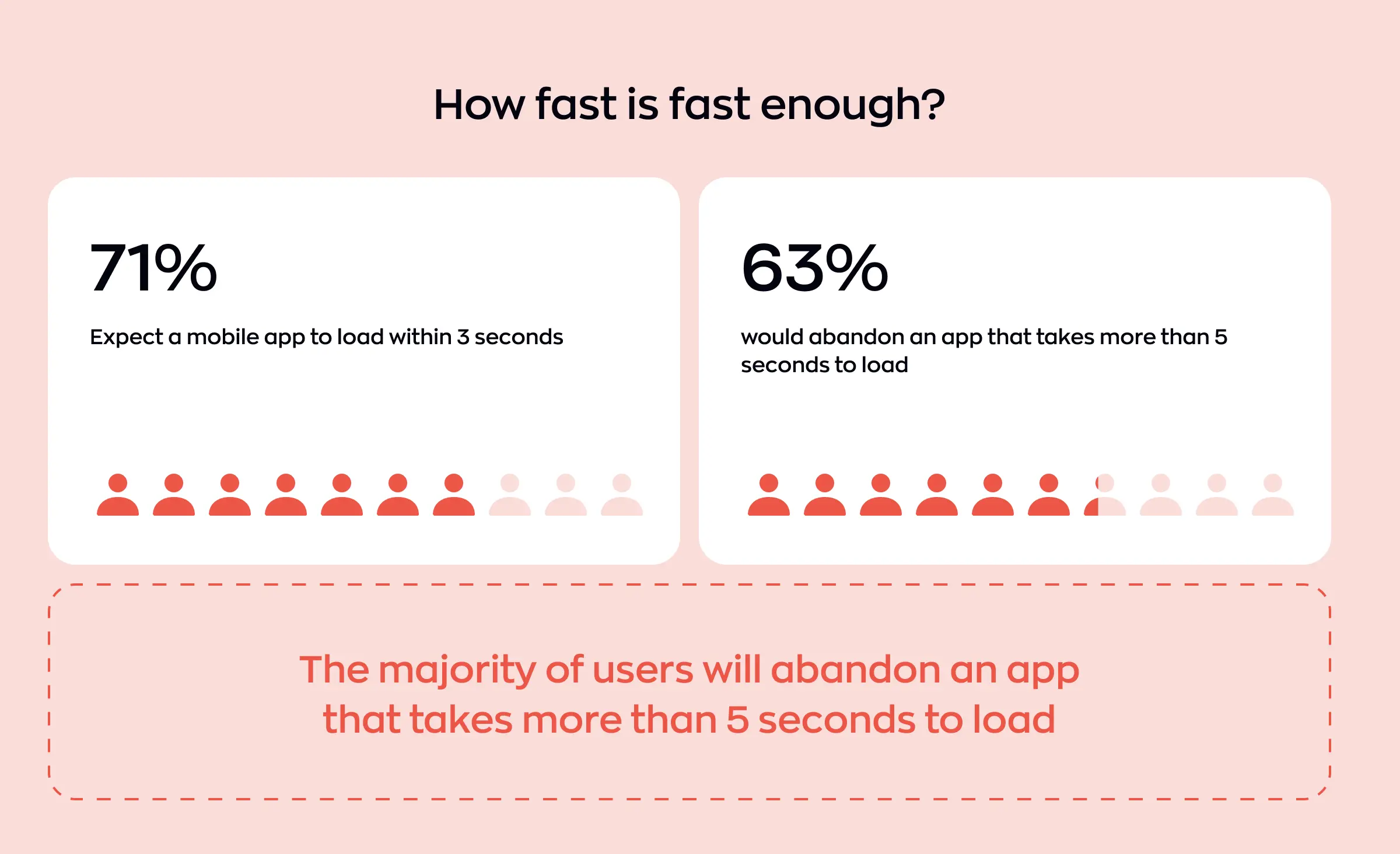
Delivering a smooth user experience keeps users active and encourages them to come back. People have little patience for delays — if your app or web app is slow, they often leave without checking out your services. Reliable application performance reduces bounce rates and can lead to higher conversions. When users enjoy fast, easy journeys through your platform, you'll see better user engagement and improved user satisfaction.
Better visibility and higher rankings
Web app performance also affects how easily new users can find your business. Search engines, like Google, prefer sites and apps that load quickly and run smoothly. Mobile app and web app optimization improves your visibility in search results, helping more potential customers discover your brand.
Reduced costs
Good performance is not just about the user, it affects your bottom line too. With performance optimization as part of your process, your app runs more efficiently, using fewer server resources. This leads to lower hosting and infrastructure expenses. Well-optimized systems also face fewer problems, keeping your business up and running without interruptions.
Building trust and brand image
Finally, top-tier mobile app performance strengthens brand trust. When users encounter a smooth, responsive app, they see your business as reliable and professional. This trust turns happy users into loyal customers, and sometimes even brand advocates who share and recommend your app.
With so much competition, digital businesses cannot afford to overlook performance optimization. Focusing on the speed and reliability of your mobile app or web app is a direct investment in user engagement and long-term business growth.
Why basic optimization is not enough
Many businesses start with basic optimization methods such as image optimization, browser caching, and file minification. While these techniques help to improve app performance, they often only scratch the surface. For a mobile app or web app, these standard steps are a great start but do not solve every problem your business may face online.
Basic optimization handles common pain points, but as your app grows, new challenges appear. For example, a mobile app with high traffic or heavy features can develop a performance issue that simple tweaks will not fix. At this stage, understanding user behavior becomes key — it can reveal patterns that slow down the app and impact how well users interact with it.
Mobile app optimization calls for a deeper approach. Advanced strategies look at architectural problems, complex data flows, and how different systems interact at scale. They help your business move beyond surface-level fixes to get the best possible speed and reliability. Relying only on basic practices may leave hidden bottlenecks that slow your app down. Users expect a seamless experience, not just the basics done right. By going beyond basic optimization, you give both your mobile app and your web app the power to stand out in a crowded market.
Advanced optimization strategies
Mobile app optimization
Below are some proven techniques that address deeper technical challenges, leading to better app performance and more satisfied users.
UI/UX optimization
Creating a seamless user experience is at the core of app development. Mobile app developers often focus on optimized UI rendering, such as using efficient list rendering tools like FlatList in React Native. This ensures that large sets of data display smoothly even on a mobile device. Native modules play an important role in mobile app optimization as well. When you need top performance for specific features, native app components can outperform cross-platform solutions.
Lazy loading UI components is another important strategy. It means loading only those elements that are currently visible to the user, which cuts down on memory use and improves startup times. Altogether, these choices lead to smoother mobile app performance, keeping user satisfaction high and encouraging repeat visits.
Network and data optimization
To perform well, a mobile app must use network resources wisely. Streamlined API design, whether you use GraphQL or REST, ensures the app fetches only the data it actually needs. This boosts app performance and speeds up load times for mobile users. Offline-first features with data synchronization let your mobile application keep working even without a strong connection, maintaining a reliable user experience under all conditions.
Background fetching and pre-caching anticipate what data users need next. Combined with compression techniques like GZIP and Brotli, this makes sure the app delivers information fast while using less network bandwidth. All of these network strategies are crucial for strong mobile app performance optimization, especially for large-scale apps on Google Play or the Apple App Store.
Resource management
Resource management is a make-or-break factor in mobile app development. Sloppy code can increase your app's memory footprint, so it's important to avoid memory leaks and optimize object creation. Good battery usage optimization, such as scheduling background tasks or limiting GPS, helps keep users' devices running longer — a simple step that makes a difference in app ratings.
Reducing startup time is key to user engagement. If your app takes too long to open, app visibility and app downloads can suffer in major app stores. Mobile optimization, especially for native app builds, plays a major role in keeping both the app startup and daily experience fast.
Standing out in app stores
Optimizing your app icon, app title, and adopting an effective ASO strategy all affect how potential users see your mobile app in the app store. App store optimization is a specialized field but can dramatically improve how easily mobile users find your app. A consistent focus on performance encourages user engagement, leads to higher app ratings, and strengthens your app's position in both the Apple App Store and Google Play.
Web app optimization
Businesses need advanced web app optimization to deliver strong, modern experiences and remain competitive. Let's explore the most effective ways to improve web app performance and meet user expectations at every step.
Frontend optimization
Fast and smooth web experiences start on the frontend. Responsive design makes sure your web app works well across devices and screen sizes, which is a basic requirement for high user satisfaction. Pushing beyond the basics, progressive hydration and island architecture allow you to render only the most important parts of your app first, making important content available to users instantly and improving overall application performance.

Code splitting, both route-based and component-based, loads only what each user needs at the right time and keeps app performance fast. Client-side caching with service workers offers offline support and almost instant loading, which is especially useful for progressive web app solutions. Technologies like Critical CSS remove render-blocking resources, helping your web app deliver the first screen quickly to maintain user engagement. For resource-heavy operations, WebAssembly brings near-native speed to browsers to ensure top web app performance.
Accelerated mobile pages are valuable for mobile optimization, delivering lightweight content that loads instantly on smartphones and tablets. This not only boosts user satisfaction but also gives you an edge in search rankings.
Backend optimization
Backend strategies are essential for keeping web app performance high as your user base grows. Database query optimization, including indexing and denormalization, makes sure your data is always quick to access. Using distributed caching tools such as Redis or Memcached cuts database load and speeds up app responses.
Asynchronous processing and message queues — such as Kafka or RabbitMQ — allow your web app to handle heavy tasks in the background, keeping the interface fast for users. Microservices architecture lets your team break large applications into smaller, more manageable services. This approach leads to flexible scaling and smooth releases, which improves both reliability and app performance.
Serverless functions are a cost-effective solution for event-driven workloads. They scale up automatically and help manage spikes in usage without affecting overall application performance.
Performance monitoring
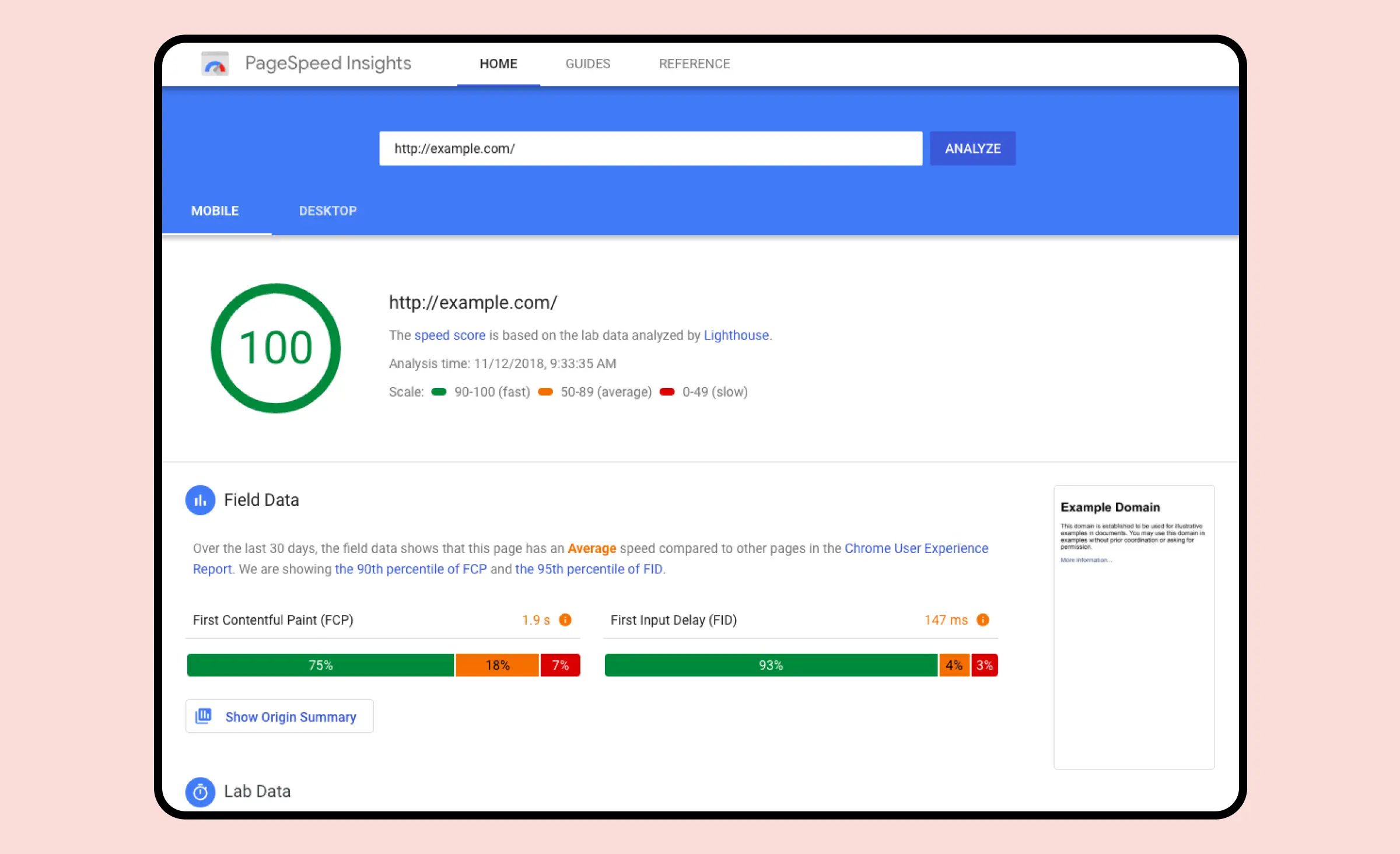
To stay on top, web development teams rely on tools like Google Analytics and Pagespeed Insights. These platforms track user behavior, measure performance metrics, and point out where to focus next. Combining advanced optimization with solid web design keeps your app visually appealing and technically sound.
By using these advanced web app optimization methods, you are not only making your web app faster but also improving user engagement and business outcomes.
Tools and techniques for optimizing apps
Successful optimization begins with the right set of tools and the discipline to use them throughout app development. From the earliest planning stages all the way to deployment, modern software development teams have a wide range of resources to maximize app performance.
Performance monitoring tools
Continuous mobile app optimization relies on accurate measurement. Services like Google Analytics and Pagespeed Insights help app developers spot slowdowns and find improvement opportunities. For more detailed insight, tools like Google Lighthouse, WebPageTest, New Relic, Firebase Performance Monitoring, and Sentry analyze both frontend and backend speed. These platforms track application performance and provide clear feedback you can act on.
Synthetic monitoring vs. real user monitoring
Testing with synthetic monitoring shows how an app might perform in a controlled environment, but real user monitoring gives insight into actual user behavior and experience in the wild. Observing how users interact with your app reveals where mobile app optimization can have the biggest impact.
Automated testing
Integrating automated performance testing in your CI/CD pipeline ensures that every new feature maintains high app performance. Mobile app optimization becomes a routine part of app development instead of an afterthought. A/B testing is another essential technique. By running experiments, teams can validate how changes affect metrics like user experience, app downloads, and engagement from potential users.
Store analytics
For mobile app teams, understanding how an app performs in the market is just as important. Tools like App Radar, App Annie, and App Store Connect give you a clear view of downloads, feedback, and ranking trends. These tools help you understand how users find and use the app, providing a roadmap for further mobile app optimization.
Every successful optimization plan combines technical tools with a deep understanding of users. The best app developers constantly measure, test, and refine, delivering smooth experiences that make users want to come back. With the right strategies and tools, you can ensure top app performance for every mobile app or web app you launch.
How can Ronas IT help?
At Ronas IT, we see optimization as a key part of software development. We always think about app performance from the start and throughout the whole project.
Web and mobile development
Our team follows advanced mobile and web app optimization strategies in our work. We have experience with different tools and platforms for both web and mobile app development. This includes React Native for cross-platfrom mobile development, as well as native frameworks for iOS and Android. We make sure every mobile device runs your app smoothly. For the web, we typically use React, Next.js, or Angular on frontend, and Laravel or Django on backend.

Code and performance audits
We often check our client apps with detailed performance audits. We look at how the app works, find slow spots, and suggest ways to improve application performance. This helps make the user experience better, whether the app is new or already in use.
Tools for speed and scalability
We use the latest versions of Laravel, write efficient database queries, and use caching with Redis to speed things up. If the app does something complex, like building a big report, we move these tasks to the background so the user interface stays fast. For scaling, we rely on tools like Kubernetes and managed cloud services such as Cloud SQL and Cloud Storage. These methods help keep both web app and mobile app performance high as the number of users grows.
Real-time monitoring
To catch issues early, we use tools like Laravel Telescope. This helps us spot changes in mobile app performance optimization and fix them before users notice. Watching app performance in real-time lets us keep users happy and engaged.
App store optimization
We also know how to help with app store optimization. This means setting up things like your app title and app icon, so your apps visibility in the app store improves. A good ASO strategy can lead to more downloads and better results.



Wrapping up
Boosting performance is key for any digital business that wants the best results from their app or mobile app. Strong optimization does more than improve speed, it supports smooth user interaction. When you focus on app performance, you show commitment to your users while meeting today's tech standards. Studying user behavior lets you make updates that improve both experience and reliability. This leads to higher user satisfaction and helps your app stand out.
Lasting progress comes from ongoing optimization, not just one-time fixes. By paying close attention to user experience and how users use your app every day, you achieve better app performance and long-term value for your business.
Related posts











Related Services


Development
React Native App Development Services


Development
MVP Development Services


Development