Cybersecurity in US fintech: Protecting sensitive financial data beyond basic compliance

From new app-based services to complex online banking, the fintech industry is changing how Americans handle their money. Yet, as fintech companies process more digital transactions and collect more sensitive financial data, the risk of exposure grows. Modern cyber threats put both user trust and business success at risk. That's why security, data protection, and following US FinTech cybersecurity best practices are essential for every digital platform.
In this article, we'll explore the latest trends in fintech security, the real impact of breaches, and how your organization can go beyond basic compliance to keep data and customers of your fintech software safe with the right cybersecurity approach.
Statistics of cyber threats in the US fintech
Cyber threats are growing quickly in the US, and the fintech industry remains a main target. Fintech companies often hold large amounts of sensitive information, including personal and financial details. Because of this, attackers see these organizations as high-value targets. In fact, fintech accounts for 27% of all data breaches nationwide. The average cost of a breach in the field now stands at $5.9 million, making it one of the most expensive sectors to recover from a cyber incident.
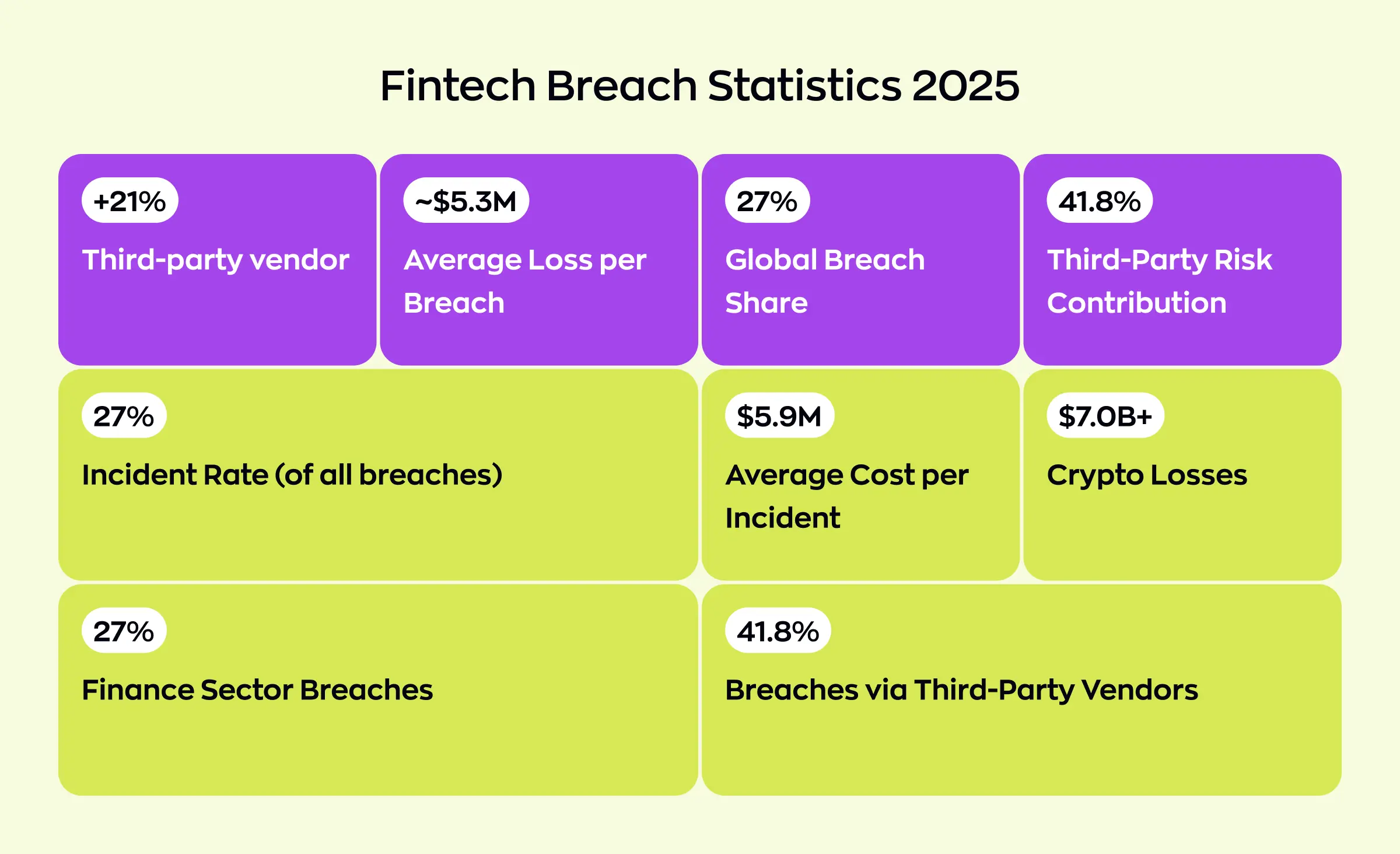
Threats to fintech companies are rising fast — in 2023, one in four breaches involved a fintech business, and cyber threats continue to adapt with new tactics. Staying ahead means watching for emerging threats, using smart risk management, regular threat detection, and updating with threat intelligence.
For fintech companies, the goal is not just to protect data, but also to maintain customer trust. A solid focus on cybersecurity and strong data protection helps businesses stay secure.
Why basic compliance is not enough
Many fintech firms believe that following basic compliance rules is enough to keep their data secure. However, cyber security challenges go far beyond what most regulations require. For example, while regulations like PCI DSS and GLBA set important guidelines, meeting these standards does not guarantee full protection against every security threat that fintech companies face.
Cybersecurity regulation often sets only basic requirements, but threats can evolve quickly and find weak spots. Fintech firms handle large amounts of sensitive data, so simply following checklists does not build true protection or strong information security.
To truly stay secure, follow US fintech cybersecurity best practices — these involve ongoing updates, better security measures, and smart risk management for early problem detection. Outsmarting attackers means thinking beyond compliance and making security a central part of the entire organization.
Modern cyber attacks
Modern cyber attacks are growing smarter and tougher, testing even the best fintech security strategies. Below are the most common attack types targeting fintech platforms today.
Phishing and social engineering
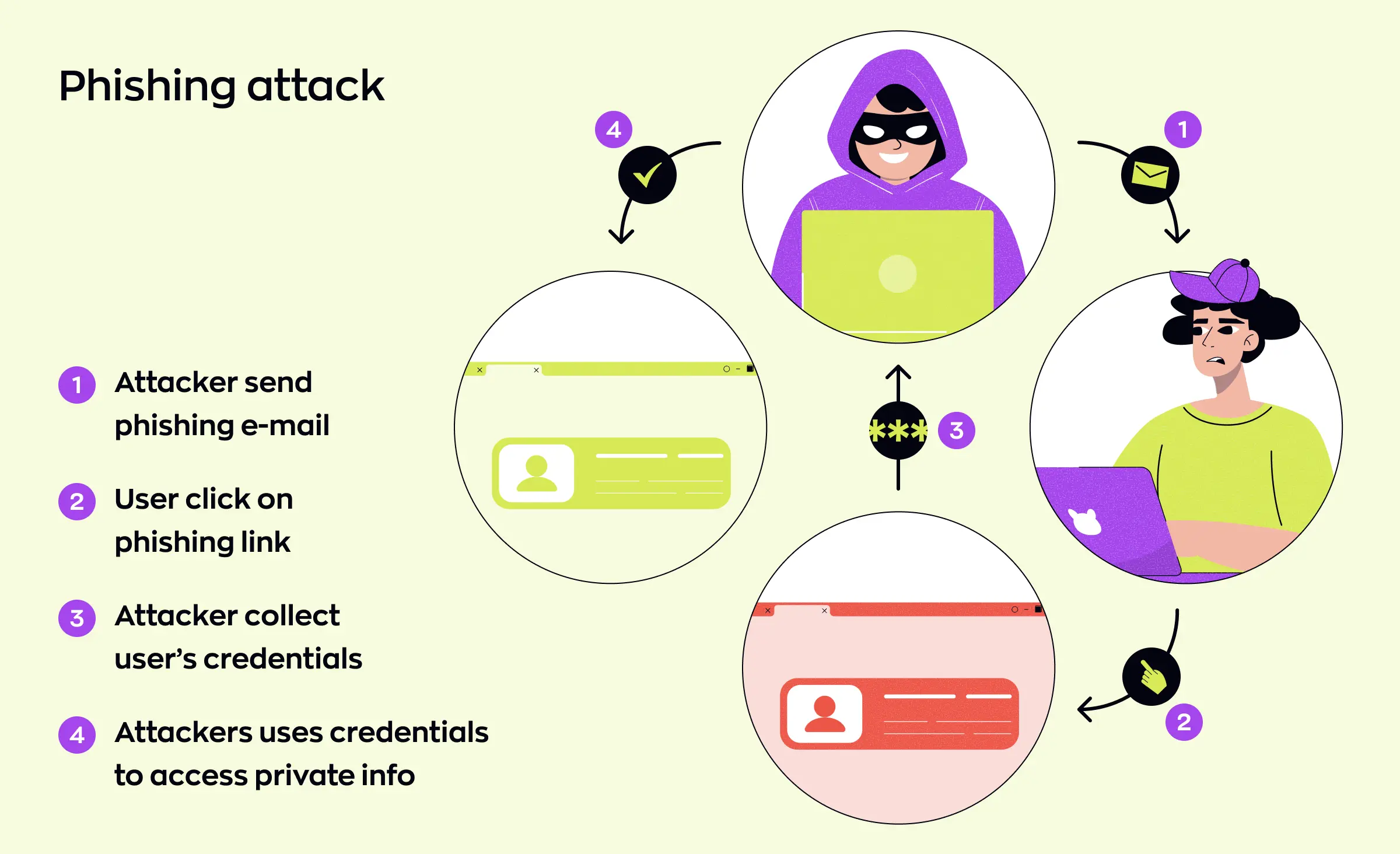
Attackers use fake emails or messages to trick people into sharing sensitive information like passwords or financial details. These threats target employees and customers, aiming to get unauthorized access to accounts or financial systems. Since many fintech security processes depend on trust and speed, attackers use these tricks to slip in quietly and steal data.
Ransomware
Ransomware is a type of attack where criminals lock a company's files or systems and demand payment to unlock them. This cybersecurity threat is especially serious for fintech firms because any downtime can mean lost money and loss of client trust. With sensitive information at risk, a ransomware attack can turn into a costly security incident very quickly.
DDoS attacks
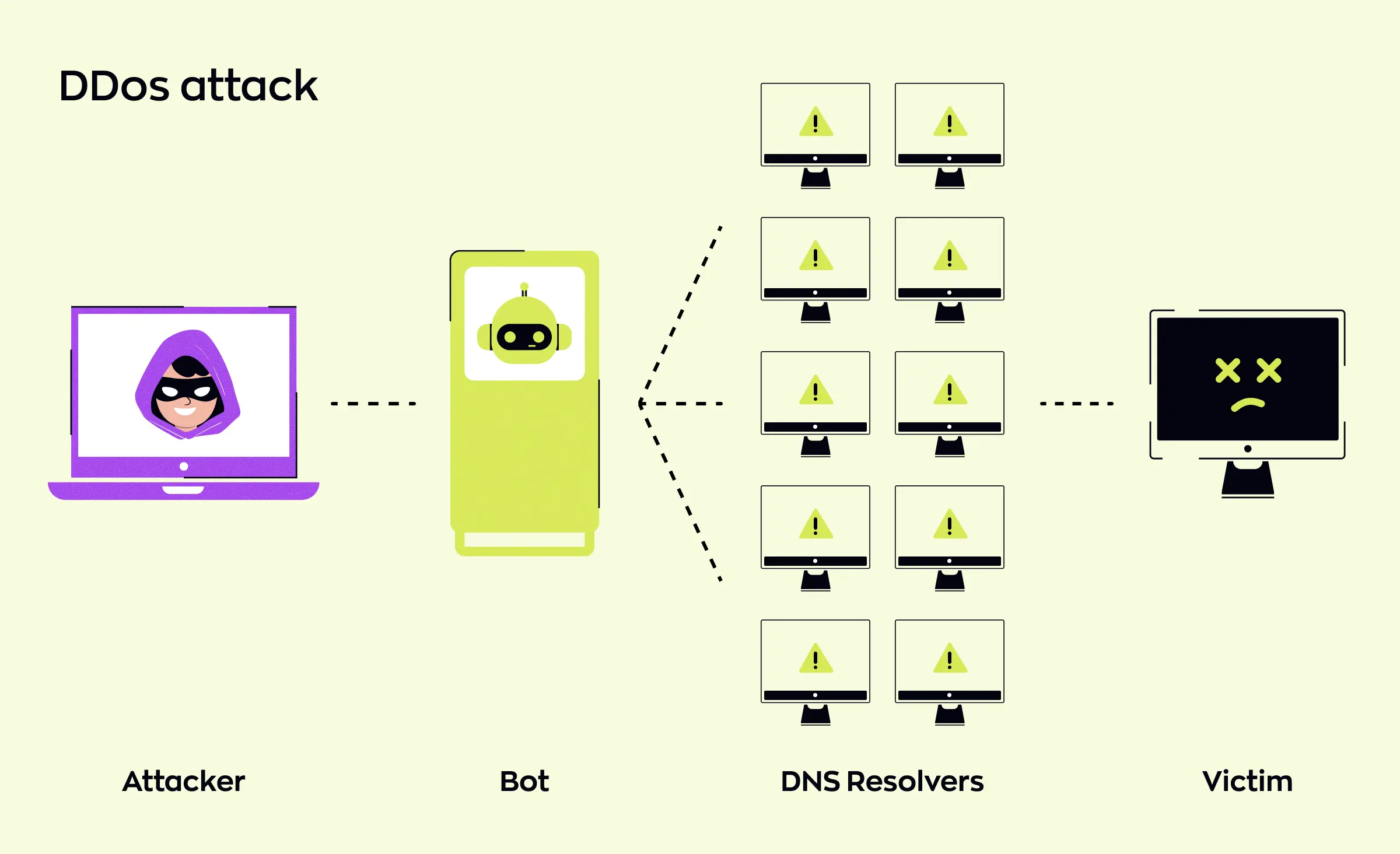
Distributed Denial-of-Service (DDoS) attacks flood a fintech platform's servers with traffic, causing slowdowns or complete outages. Attackers use them to disrupt services and sometimes as a smokescreen for other threats. Protecting platforms from this type of attack is an important part of maintaining strong fintech security.
API vulnerabilities
APIs make fintech platforms work smoothly with other apps and partners. But poorly protected APIs can allow unauthorized access to critical data. Attackers look for these gaps as emerging threats, making strong data protection practices necessary with every integration.
Insider threats
Not all risks come from outside. Insiders — such as employees, ex-workers, or contractors — can steal, misuse, or expose sensitive information as they have access to it. A recent report shows that 34% of financial service breaches are from insider threats. Effective fraud detection and monitoring measures help reduce this risk.
Supply chain attacks
When a fintech company uses third-party vendors or software, it opens up additional paths for attackers. Supply chain attacks target weak links in your partner network, letting cybercriminals slip into your systems.
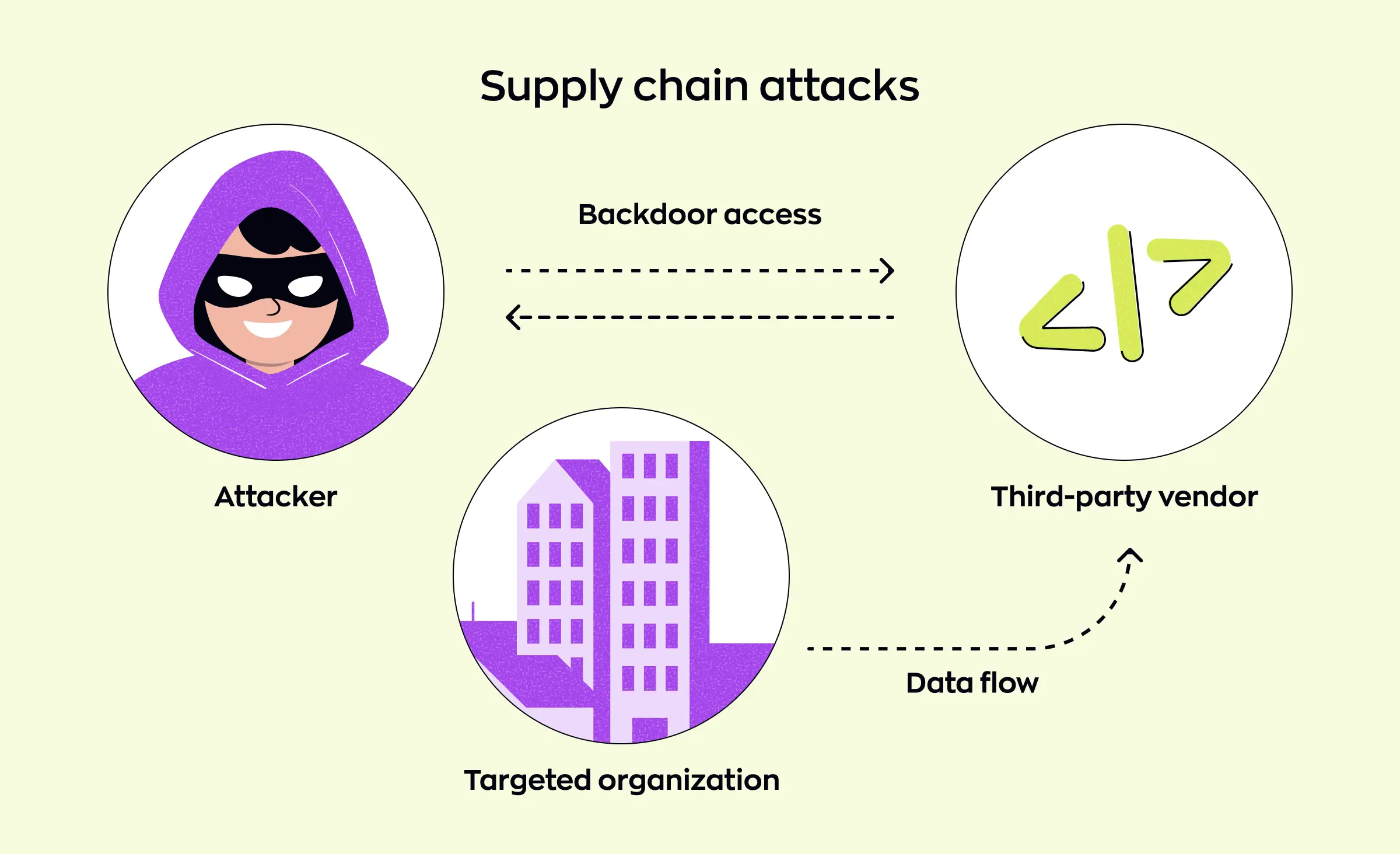
Modern cyber attacks keep evolving, and staying ahead calls for up-to-date strategies and robust cybersecurity for all fintech platforms.
How attacks affect fintech businesses
Financial losses and data breaches
A successful attack can result in a major data breach, putting sensitive financial data at risk. For fintech businesses, it is not just about the immediate financial loss. Your organization may end up facing heavy fines, lawsuits, or lost contracts because of a single security incident. The costs can be tough to manage, especially for smaller fintech firms competing in a crowded market.
Impact on customer trust
When a security breach happens, customers often lose faith in the affected company. Trust can be hard to rebuild if sensitive financial information has been exposed or stolen. As a result, fintech businesses might see clients move their money or data elsewhere, knowing their information may no longer be safe.
Increased security risk
Cyberattacks can raise the security risk in an organization by exposing technical weaknesses or gaps in information security practices. After a security incident, regular operations may slow down or even stop until the issues are fixed. Fintech companies need strong processes and tools to respond quickly and limit the damage from these events.
Compliance challenges
When sensitive data is leaked or misused, fintech businesses must prove they followed the right rules and regulations. Strong risk management is essential — not only for following laws, but also for restoring both compliance and reputation. Smart planning and a focus on data security help reduce harm from future attacks and show customers that their data matters.
How to protect fintech apps from cyberattacks
Protecting a fintech app requires more than just basic defenses. Attackers are always improving their tactics, so fintech companies must use a mix of advanced strategies and tools to stay safe.
Use zero trust principles
Zero trust is a modern approach that assumes every connection or user could be a potential threat. Instead of trusting anyone by default, this strategy verifies all attempts to access sensitive information within a fintech platform.
Adopt DevSecOps
By adding security to every step of software development, the DevSecOps approach strengthens fintech security from the start. This practice helps teams find issues early and fix them fast, lowering the chance of cybersecurity risks making it into your product.
Use AI/ML
AI/ML (artificial intelligence/machine learning) tools help with threat detection by spotting unusual patterns or behaviors quickly. These smart systems are useful for fraud detection, catching suspicious activity in real time and boosting overall fintech security.
Strengthen data protection
Robust cybersecurity measures start with strong data protection. Encrypting sensitive information, limiting who can access data, and tracking data movement within your systems build a solid foundation for long-term security.
Focus on cloud security
Since many fintech apps run on cloud services, keeping cloud security up-to-date is crucial. Use safe configurations, regular monitoring, and tools designed to defend cloud environments. This limits your cybersecurity risk when working with third-party platforms.
Schedule security audits
Regular security audits help spot weak points before attackers find them. These audits should look at both technical setups and everyday processes used by your team.
Partner with experts
Sometimes, a managed security service provider is the best resource for advanced protection. Experts offer threat intelligence, consistent threat detection, and advice on cybersecurity best practices. Their input helps fintech companies adjust their defenses as new risks appear.
Train your staff
Good security measures combine technical tools and strong policies. Make sure everyone in your company knows how to protect sensitive information and follows procedures to lower risk. Ongoing training and a focus on fintech security help everyone work together to guard against threats.
How Ronas IT can help with cybersecurity
At Ronas IT, we know that fintech companies need more than off-the-shelf solutions when it comes to cybersecurity and data protection. Our team combines modern development tools, trusted cloud platforms, and proven strategies to help fintech firms secure every layer of their application and protect customer data from evolving threats.
Certified and secure tools
We use enterprise-ready solutions that meet top industry certifications, such as SOC2, ensuring information security and peace of mind for our clients. To reduce security risks and streamline risk management, we rely on leading services like AWS, Google Cloud, Azure, Cloud SQL, Auth0, and Kubernetes. We also use GitLab and ArgoCD for secure code deployments, and store sensitive credentials in tightly managed environments. This allows us to combine speed and quality with the highest security standards.
Access control
Our approach follows cybersecurity best practices such as least privilege and fine-grained access, ensuring that even our own team members have restricted access to critical systems to minimize vulnerabilities.
Automated testing
We integrate security measures throughout the development process, using automated tests and aiming for over 95% coverage on major modules. This gives fintech companies and their users an extra layer of defense.
Microservice architecture
If your company needs isolated service, we build on a microservice architecture, allowing safe integration and isolated updates — so any changes needed for compliance or new regulations can be made quickly, without risking the whole platform.
Security audits
As a software development company, we perform security audits for fintech products. We can perform manual code reviews, and use automatic solutions like SonarQube Analysis and IntelliJ IDEA Code Inspection.
Employee training
Security awareness is key in fintech cybersecurity. We help organize onboarding and create clear manuals to guide employees — whether for using new apps, managing data protection, or following proper cybersecurity measure protocols.
Case study: Secure neobank app for the US market
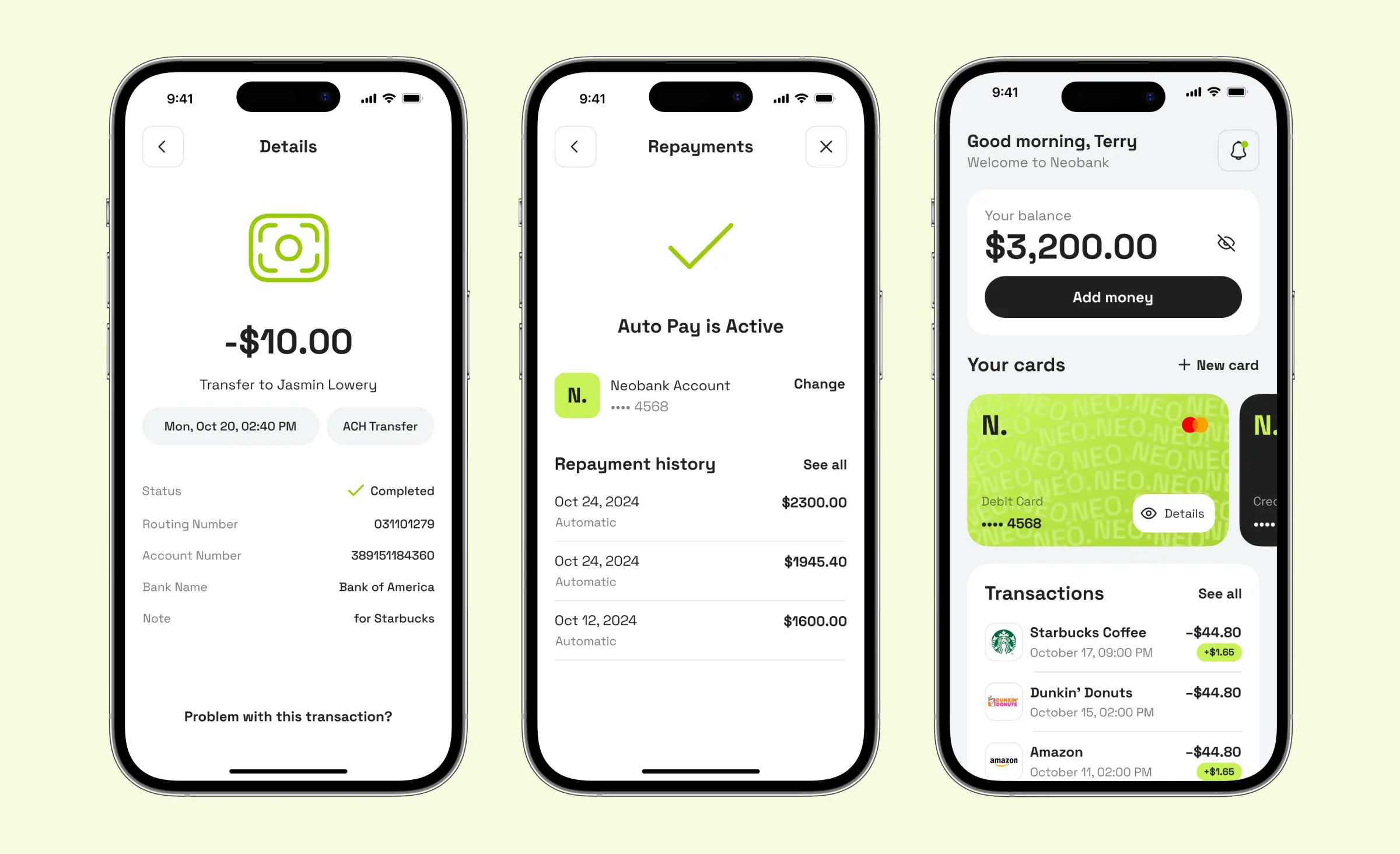
We helped our client create a neobank app that helps users build their credit scores and access secure banking features. Our team built a robust microservice architecture for reliability and flexibility and used React Native and Laravel for development. We followed cybersecurity best practices at every stage, using advanced encryption, least privilege access, and strict data separation. We used tools like Auth0 for authentication, Persona and Sardine for KYC and fraud checks, and Bond BaaS for banking integration — to protect user information and ensure compliance with SOC 2, PCI DSS, and other standards. As a result, the app meets key US financial regulations and delivers a safe experience for all users.
Case study: Fraud prevention for a travel platform
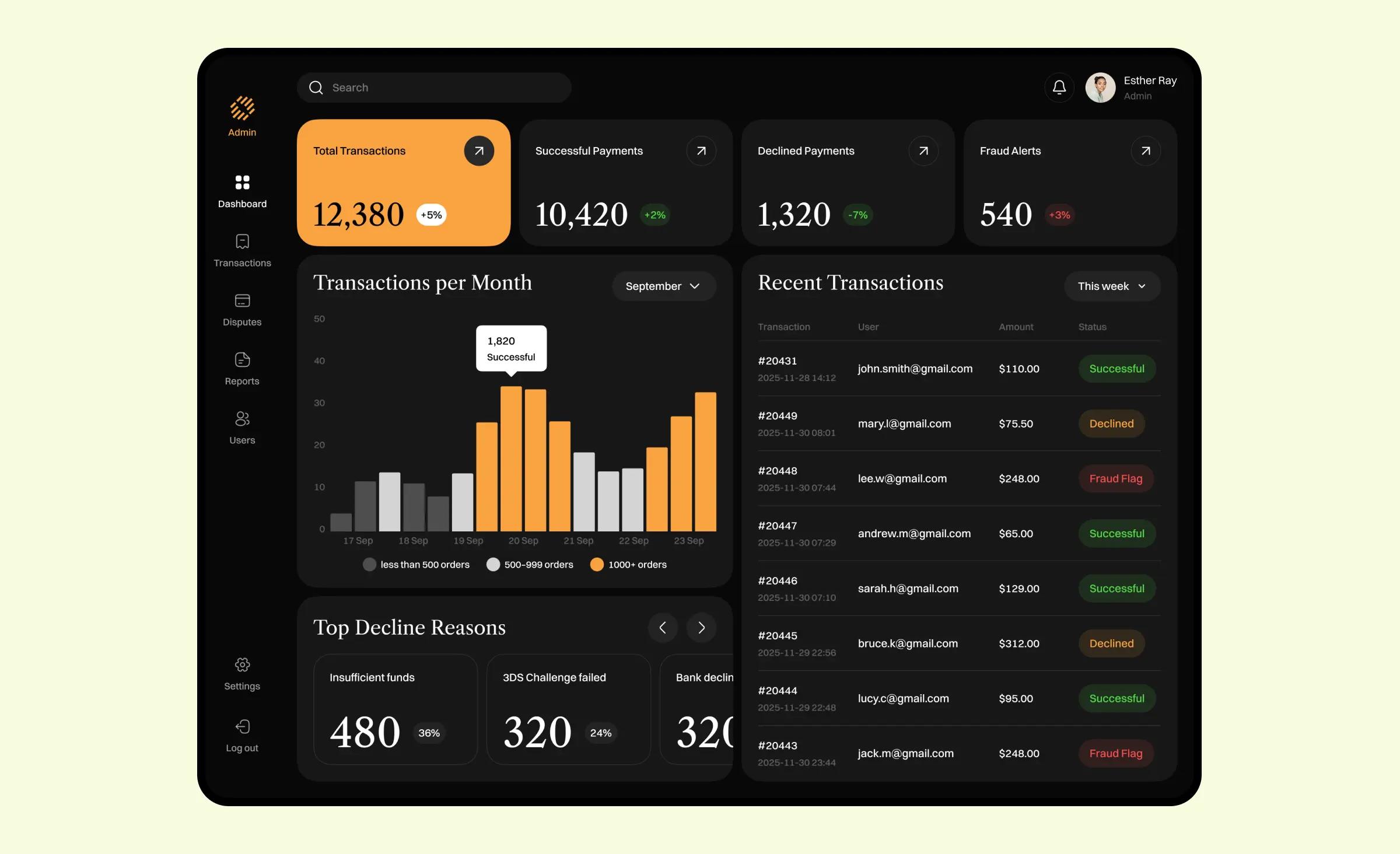
We recently helped an Australian fintech firm selling tickets online to reduce fraud, speed up payments, and stay compliant with privacy laws. Our solution combined adaptive 3DS2 verification, device fingerprinting, and local payment methods. All sensitive data was handled strictly by the payment provider, keeping PCI exposure to a minimum. As a result, the client saw fewer chargebacks, smoother checkouts, and total compliance with national data protection standards. Security audits and real-time fraud alerts made risk management simple for their team.
Conclusion
Protecting sensitive data is now at the core of success for the fintech industry. As cyber threats grow more complex, simply meeting basic rules isn't enough for fintech companies. Instead, strong risk management, advanced data protection, and robust cybersecurity measures are essential to keep up with changing risks. Building effective fintech security goes hand in hand with using leading cybersecurity best practices. By putting security first and following US fintech cybersecurity best practices, your team can face new challenges with confidence. With the right strategy, businesses can protect customer trust and thrive in today's cybersecurity landscape.
Related posts











Related Services

Development
React Native App Development Services
Development
MVP Development Services

Development