Essential steps to effective communication and collaboration with your outsourced development team


Disharmony within a team often leads to startup failure, ranking among the top 20 reasons businesses falter. This makes strong communication one of the most crucial elements for any new venture, especially for tech businesses. It becomes even more vital when you choose outsourcing software development. Building effective communication with outsourced development team is paramount for software development project success when you connect remotely.
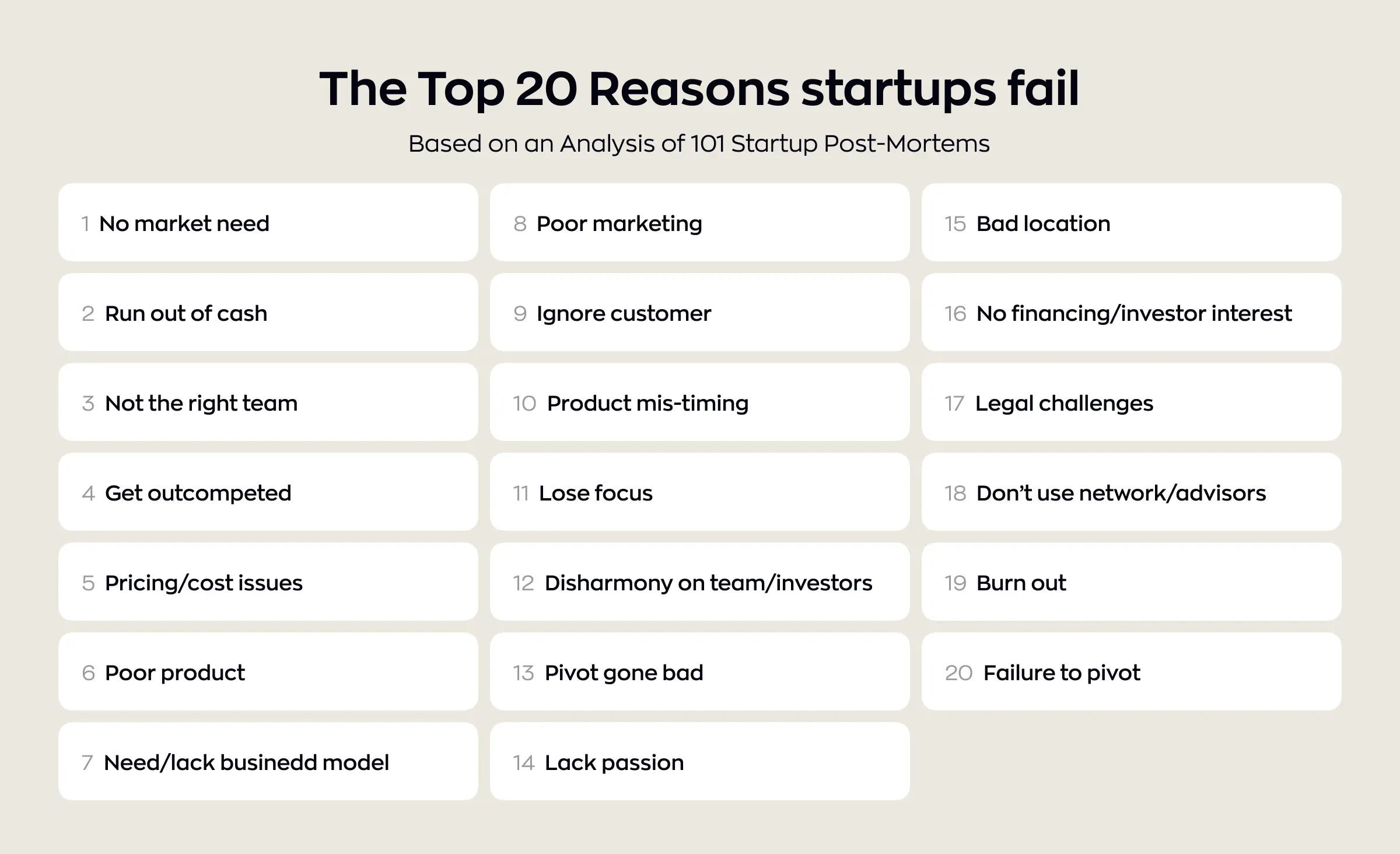
In this article, we'll explain the actionable steps you can take to establish effective communication with outsourced development team members, explore the essential communication tools you'll need, and discuss the common communication barriers and challenges you might face and overcome in the development process.
The value of outsourcing and why communication is key
Businesses turn to outsourcing as a strategic move to gain competitive advantages, especially in software development. The benefits of outsourcing software development are clear: cost efficiency, access to a global pool of specialized talent for any development team requirement, and a significantly faster time-to-market for products, whether it's app development or complex enterprise solutions. An outsourced development team provides the technical expertise and scalability a company needs to accelerate a software development project without the high overhead costs of an in-house setup. All these factors make outsourced development a strong way to grow.
However, getting good results from this model means overcoming common challenges. Without careful management, clients often face misunderstandings, costly delays, and issues from cultural differences. A common problem is a lack of alignment between the client and their outsourced team, which causes projects to miss their goals. These problems often come down to poor communication, turning advantages of outsourced software development into frustration and additional costs.
This highlights the importance of communication. Effective communication with an outsourced development team is essential for them to deliver a high-quality product within the set deadlines. Strong, clear communication reduces risks by preventing misunderstandings and makes sure all parties agree on project requirements and goals. It helps teams collaboration well, builds trust, and helps address issues early. Also, it makes sure your outsourcing partner helps you achieve your goals and get the most value from your outsourced software development team.
Steps to establishing a solid communication framework
Create a strong communication framework together with your outsourced development team to get the most from your collaboration. This framework is about setting up clear channels and processes that keep everyone informed and aligned. Without this structure, even the best outsourcing partner can struggle to succeed. A solid framework prevents misunderstandings, helps collaboration, and guides the entire development process, allowing you and your partners to achieve common goals smoothly.
Define clear expectations
To establish effective communication with your outsourced development team, start by clearly defining what you expect. Create a detailed scope of work that outlines all deliverables and deadlines. One of the methods that can be used for that is user stories, helping describe features from a user's perspective, giving the outsourced development team a clear understanding of what to build and why. This way, all stakeholders, including the client, can always refer back to the core project requirements.
Also, think through the communication rules you and your development team will have. How will you measure their output and quality? Discuss expectations for responsiveness – how quickly should they reply to messages or address urgent issues? And how often should they provide updates? Setting these benchmarks for transparent communication upfront avoids guesswork and makes sure everyone knows what to expect from each other.
Choose the communication tools
Another step to effective communication with your outsourced development team is to choose the right communication tools. Different tools serve different purposes, and combining them thoughtfully creates efficient communication channels. For instant messaging and quick questions, pick a chat app like Slack or Microsoft Teams. For face-to-face talks, video conferencing tools like Zoom or Google Meet are essential. For managing tasks, tracking progress, and centralizing documents, a project management tool like Jira, Trello, or Asana can be a strong match. These collaboration tools help bridge distances and keep everyone aligned, turning discussions into actions for the software development project.
Establish a single point of contact
A key aspect of effective communication with your outsourced development team is to simplify information flow and avoid confusion. To achieve this, designate a single point of contact. This person, often a project manager from the development team's side, acts as the main link between your organization and the outsourced development team. They gather all your project requirements, turn them into clear instructions for the development team, and oversee their work. This centralized approach makes sure no request or concern goes unnoticed and that the development process runs smoothly. This dedicated individual is key to managing outsourced teams efficiently, helps build good communication, and keeps the project coherent.
Establish a regular meeting schedule
Set a clear schedule for meetings in advance, deciding who attends and how often. This is a crucial aspect of effective communication with your outsourced development team because it brings predictability, structure, and consistency to your collaboration. There are a few types of meetings you may have:
- Daily stand-ups: These short, focused calls – often 15 minutes – are where the outsourced development team discusses what they did yesterday, what they plan for today, and any blockers they face. They help teams communicate clearly about immediate progress.
- Weekly syncs: Use these longer meetings to review overall progress, discuss blockers in more detail, and plan for the coming week. This is an important step in project management.
- Bi-weekly or monthly strategic reviews: These meetings bring together key stakeholders from both sides to check the project's alignment with business goals, discuss long-term strategy, and make higher-level decisions for the software development project.
Our team prefers to hold sprint-by-sprint meetings where we present the tangible results achieved during each 2–3 weeks of work. Our project manager stays in touch with clients via messengers or email to clarify any questions and can arrange additional meetings if urgent issues come up. We discuss the call schedule with our clients and find options that are convenient for everyone.
Create a shared knowledge base
A centralized knowledge management system is a key resource for any outsourced team and a core component of effective communication with your outsourced development team. This repository should contain all critical project details, including project requirements, design files, code repositories, technical specifications, and FAQs. Giving everyone access to this single source of truth reduces ambiguity and the need for constant clarification. It helps team members quickly find information, understand past decisions, and makes sure everyone, from the client to each software developer on the outsourced development team, can revisit project results and ask more accurate questions.
Tools required for effective communication with an outsourced development team
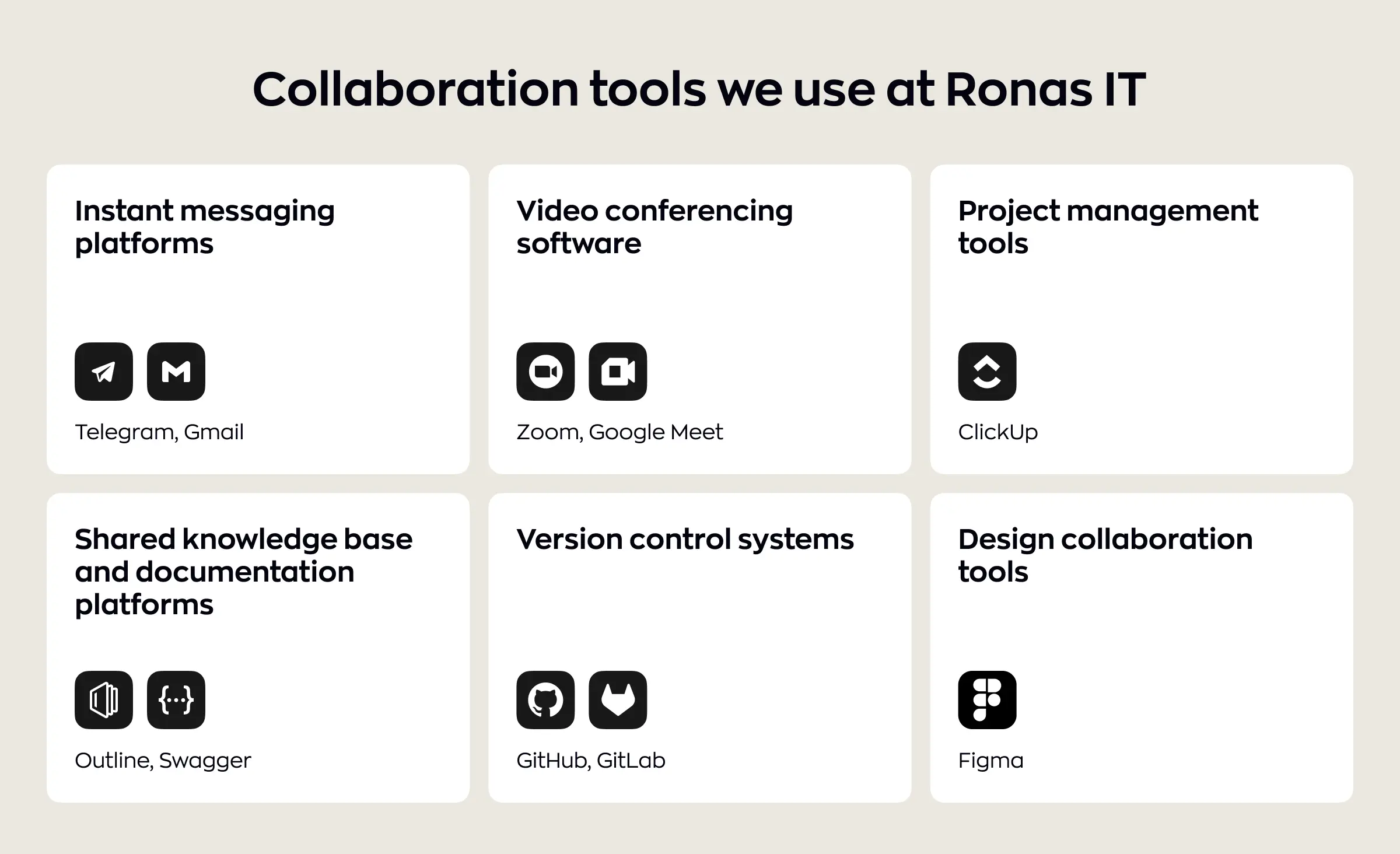
To build an effective communication framework, clients and their outsourced development team choose the right communication tools together. These tools help project stakeholders share information and track work, ensuring everyone stays aligned. They foster collaboration and bridge geographical distances, making remote software development feel more connected. Here's the list of application types that can come in handy:
Instant messaging platforms
Teams use these platforms for quick, real-time discussions, informal questions, and urgent updates. They help foster an immediate connection between your in-house team and the outsourced team, allowing for fast answers that can keep the development process moving. For example, if a software developer on the outsourced development team needs a quick clarification on a specific user story for their outsourcing software development project, they can send a message to the project manager on Slack, getting an answer in minutes and avoiding potential delays. You can use any messenger or email system, as long as everyone on both sides agrees on the choice.
Examples: Slack, Microsoft Teams, Google Chat.
Video conferencing software
These tools are essential for scheduled meetings, daily stand-ups, weekly syncs, and strategic reviews, making them vital for effective communication with your outsourced development team. Seeing faces helps teams build rapport and clarify nuances that text can miss, which is crucial for clear communication and building a strong working relationship with an outsourcing partner. It also helps all participants feel more engaged. For example, during a daily stand-up, the outsourced development team can share their screens to demonstrate recent progress, comment on it, and discuss a bug. The product owner can then visually confirm the issue and provide immediate feedback.
Examples: Zoom, Google Meet, Microsoft Teams.
Project management tools
These tools define tasks, assign responsibilities, track progress, manage deadlines, and oversee the entire development process. They are central to project management, ensuring everyone understands priorities and project status. For example, a project manager uses the tool to track several features, seeing which software developer is working on what, due dates, and any blockers to proactively manage potential delays. Our team, for instance, uses ClickUp and gives clients direct access to the ticket system. This way, the client knows what's done and how much time we spend on each task for their software development project.
Examples: Jira, ClickUp, Trello, Asana, Monday.com.
Shared knowledge base or documentation platforms
These platforms centralize all project requirements, technical specifications, FAQs, design documents, decision logs, and onboarding materials. This acts as a single source of truth, reducing confusion and supporting transparent communication. It helps outsourced teams avoid repeatedly asking the same questions and speeds up the onboarding of new outsourced developers.
Examples: Confluence, Notion, SharePoint, Google Sites.
Version control systems
These systems are fundamental for any software development team, playing a key role in effective communication with your outsourced development team. They allow software developers to collaboration on code, track changes, manage different versions, and merge contributions efficiently. They are crucial for the technical aspects of collaboration and let clients see the commits and progress on the software development project when the team writes code. For example, a client's technical lead needs to review a major code change made by the outsourced development team. They can go to GitHub, examine the commit history, and provide feedback or suggest improvements directly, ensuring code quality and adherence to standards for the outsourcing development team.
Examples: GitHub, GitLab, Bitbucket.
Design collaboration tools
Designers use these tools for sharing design mock-ups, prototypes, and getting feedback directly on design elements. This ensures alignment between the design vision and the actual app development or software development build. They help teams iterate on designs quickly with visual feedback, reducing misunderstandings later in the development process. For example, the UI/UX designer on the outsourced team shares a new screen design in Figma. The client can add comments directly on specific buttons or text fields, and the outsourced development team can then refer to these precise comments when building the UI, minimizing rework.
Examples: Figma, Sketch, Adobe XD.
Strategies for effective daily collaboration
Long-term collaboration and software development don't happen by chance; they grow from the small, consistent steps and actions each team member takes every day. Building a strong working relationship with your outsourced development team depends on intentional efforts to connect, share, and understand each other's work. Here are a few strategies that help achieve effective communication with outsourced development team.
Foster a culture of transparency
Challenge: An outsourced development team can struggle when they work in isolation, without understanding the larger business goals or feeling comfortable speaking up. This leads to misaligned efforts and missed opportunities for innovation in software development.
Solution: To avoid this and successfully outsource software development, together you should foster an environment where open dialogue, questions, and feedback are actively encouraged. Also, share the business context and vision for the software development project. This helps every software developer on the outsourced team understand the “why” behind their tasks, aligning their efforts with strategic goals and preventing poor communication.
Embrace asynchronous communication
Challenge: Time zone differences and a reliance on synchronous communication lead to delays, frustration, and burnout for an outsourcing team. It also makes tracking decisions hard.
Solution: To achieve effective communication with your outsourced development team and overcome this, clients embrace asynchronous communication. Prioritize written communication for clarity and record-keeping. Use detailed notes and summaries; they reduce ambiguity and provide a reliable reference. Use time zone overlaps specifically for critical discussions and real-time problem-solving, rather than trying to schedule all interactions synchronously. This balanced approach ensures efficient communication and helps overcome communication barriers in outsourced development.
Visual communication
Challenge: Abstract discussions or purely text-based descriptions of complex features lead to misunderstandings and misinterpretations for the outsourced development team, especially in areas like design or technical architecture for an app development or software development project.
Solution: You can use visual communication tools to clarify ideas and align all stakeholders. Digital or physical whiteboarding, screen sharing during calls, and detailed design mockups help explain complex concepts better than words alone. Techniques like user story mapping, impact mapping, mind mapping, and prototyping visually represent project requirements and user journeys. This gives the entire outsourced team a shared understanding of the product vision and improves collaboration while reducing development errors.
Clear feedback loops
Challenge: Without regular, specific feedback, an outsourced software development team struggles to improve, address issues promptly, or align with evolving expectations. This leads to rework and frustration.
Solution: To prevent misunderstandings and foster effective communication with your outsourced development team, establish clear feedback loops with your outsourcing partners. Provide constructive, timely feedback on the work delivered — don't wait for project milestones. Give feedback frequently and specifically, highlighting what works and what could be improved. Implement formal review steps, like code reviews or sprint retrospectives, where both you and your partners can openly discuss progress, challenges, and lessons learned. These structured loops help your outsourced team continuously refine their work, resulting in better deliverables and stronger communication. This approach also fits well with best practices in managing outsourced software development teams.
Cultural sensitivity and empathy
Challenge: Cultural differences between you and your outsourcing partners can create communication barriers or mismatched expectations, hindering collaboration.
Solution: To address this, make an effort to understand and respect your partners' cultural norms, work ethics, communication styles, and holidays. Show empathy and appreciate the unique perspectives and strengths your outsourced team brings to the project. Building personal connections, acknowledging individual contributions, and fostering a friendly working environment go a long way. These efforts build rapport and trust, making software development outsourcing more productive and enjoyable for everyone involved.
Partnering with Ronas IT for long-term collaboration
At Ronas IT, we believe that long-term collaboration is key to building software development that truly lasts. We've been on the market for over 17 years, and our approach is to become a true outsourcing partner for our clients. We strive to be the best outsourced development team for their specific needs, showing our commitment beyond just the initial build. For instance, we've maintained one of our applications for 15 years, showing our dedication to software development outsourcing. This dedication stems from our communication standards, which we built on projects like the rental service for consumers and businesses.
A rental service for consumers and businesses
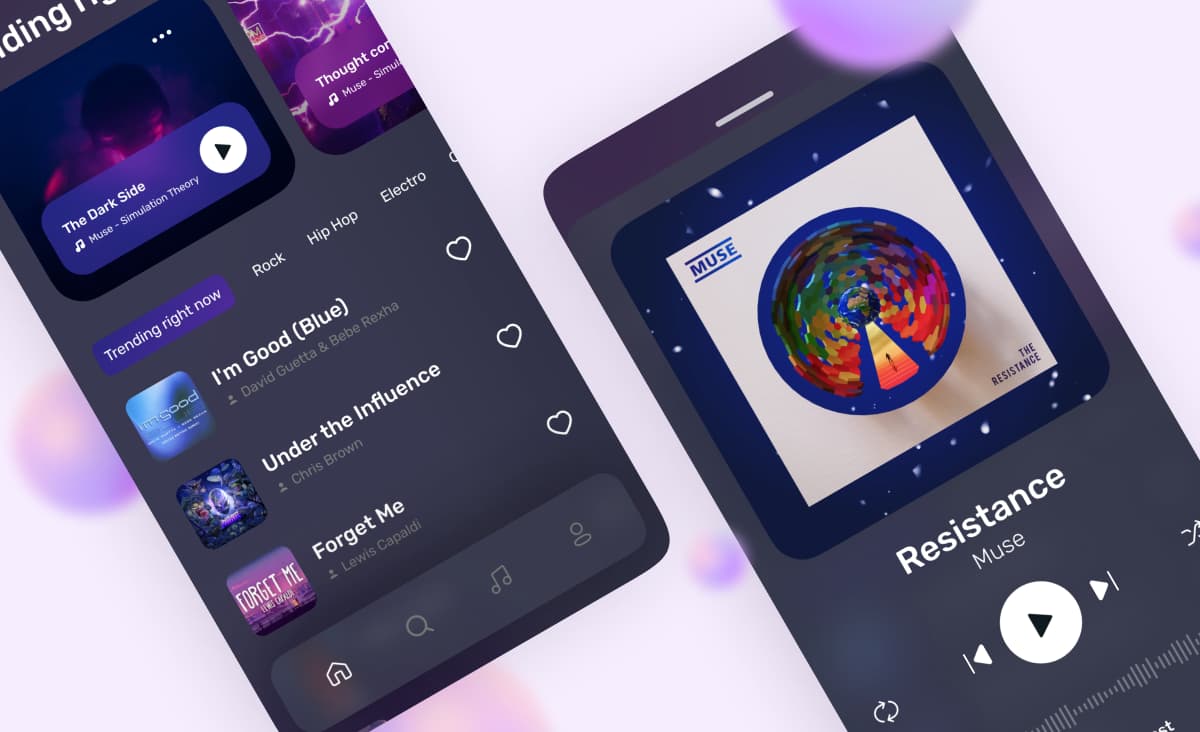
This app development project is a case of successful app development outsourcing, showing how effective communication with outsourced development team drives results. We built a mobile rental app for Lainappi, a Finnish client, embodying their “Not everything needs to be owned” philosophy and focus on sustainability. Their initial design had several issues, so our outsourced development team rebuilt it.
We implemented key features like a payment process, simplified item search, user profiles, and a chat-based rental system. Using React Native, a popular mobile app development technology, we delivered a cross-platform app, crucial for modern mobile app development. We launched the software development project quickly by focusing on core features. Today, the app has over 3,000 accounts, and we continue our long-term collaboration with Lainappi, providing maintenance and new features. This success shows how solid communication standards create lasting value in outsourced development.
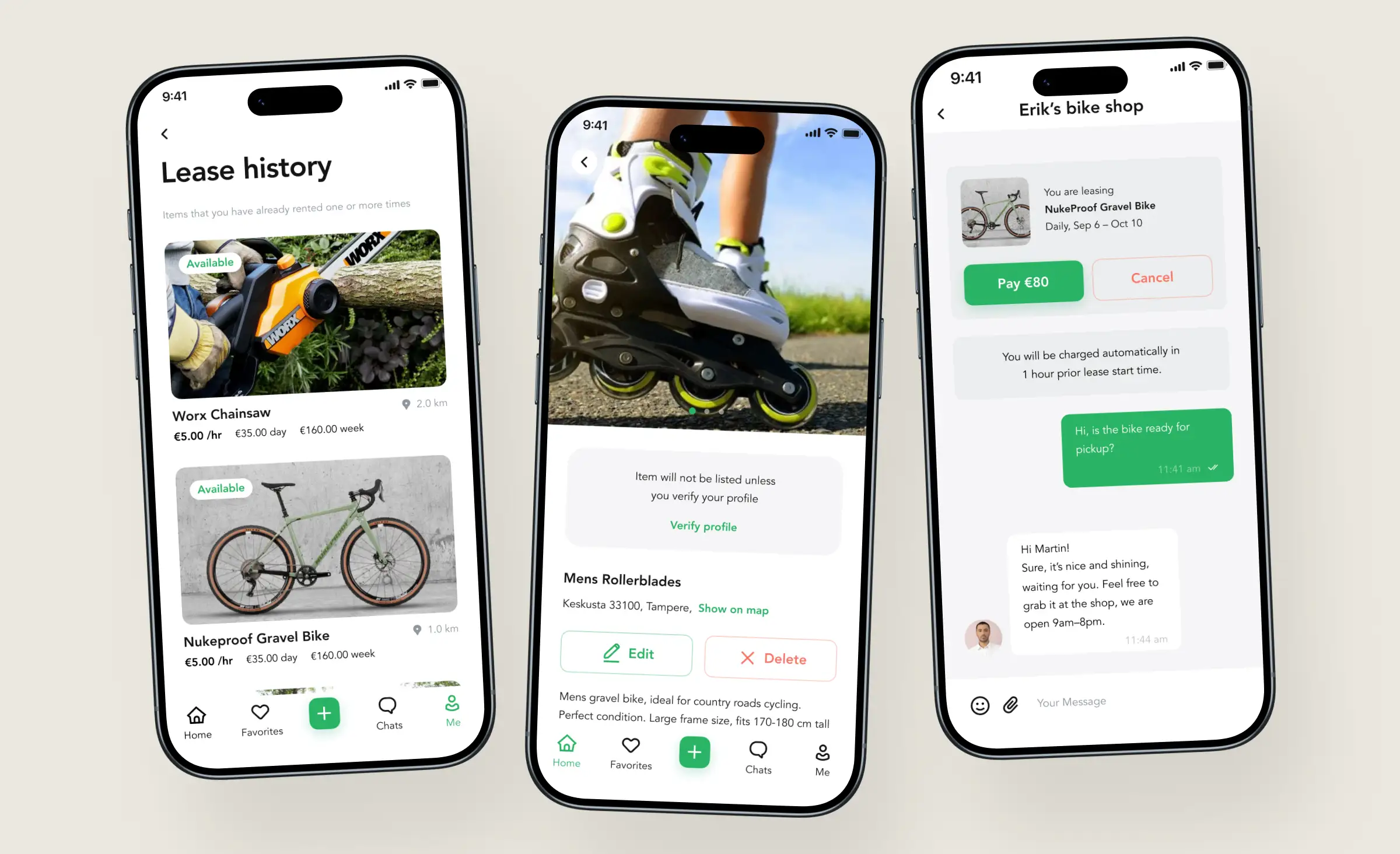
Here's a list of communication standards we followed that helped us guide Lainappi and other outsourced software development projects for startups to success.
- Thorough requirement gathering: Miscommunication from unclear project requirements is a common challenge for outsourcing development teams. To prevent this, we run detailed requirement gathering sessions at the start of every project. For Lainappi, we thoroughly reviewed the initial design and suggested improvements based on our analysis, helping everyone align on the project vision and setting a solid foundation for productive communication throughout the development process.
- Dedicated project managers and team leads: Having too many contacts within an outsourcing team often leads to confusion and lost information. To solve this, we assign a dedicated project manager or team lead as your single point of contact. This person gathers requirements, communicates agreements to the outsourced development team, and oversees delivery — streamlining effective communication with your outsourced development team and making outsourced team management much simpler.
- Transparent reporting and regular updates: Clients deserve full visibility into their software development projects. Our managers and tech leads provide transparent reporting and regular updates, typically through sprint presentations. We're always available for additional calls to answer questions or clarify status, which keeps communication transparent and projects aligned throughout the development lifecycle.
- Cross-cultural communication guidance: Cultural differences can create communication barriers and misunderstandings in outsourced development. Our teams receive training in cross-cultural communication skills to help them adapt to diverse client expectations and working styles. This reduces friction and strengthens the relationship between our outsourced development team and our partners.
- Focus on long-term partnerships and trust: Many outsourcing development relationships are short-term, but we are looking to build partnerships that last. For example, with the Lainappi project, we didn't just deliver the initial app development — we continue to provide ongoing maintenance and further development years later. Our goal is to be a reliable outsourcing partner for long-term software development needs, showing our commitment to effective communication with your outsourced development team throughout the project lifecycle.
- Flexible engagement models: We recognize that every client's outsourcing journey is unique. That's why we offer flexible outsourcing models. Whether you need a dedicated outsourced team integrated into your operations or a project-based approach for specific tasks, we adapt to your needs. This flexibility helps establish convenient communication where no agreements are lost, and all the stakeholders are on the same page.
Wrapping up
Communication is fundamental to running a successful software development project, especially when you and your outsourced development team collaborate remotely. Without clear communication, misunderstandings and delays can easily arise.
By prioritizing effective communication with your outsourced development team, you prevent errors, build strong rapport, foster collaboration, and maintain a shared vision. Start by defining clear expectations together, choosing the right communication tools, and establishing a single point of contact to centralize information. Setting regular meeting schedules ensures ongoing dialogue, while a shared knowledge base gives everyone access to accurate project information. Day-to-day, promote transparency, use visual aids to clarify complex ideas, provide clear feedback, and be mindful of cultural differences — these habits strengthen connections and keep your development process on track.
Finding the right software outsourcing partner also helps create smooth collaboration. At Ronas IT, our team can help bring your ideas and project requirements to life, using our experience to support clear communication with your outsourced development team and guide you on a productive outsourcing journey.
Related posts











Related Services

Development
React Native App Development Services


Development
MVP Development Services


Development