

Behind every app, cloud service, and digital tool lies a hidden environmental cost. Traditional software can demand excessive energy, drive up data center power use, and contribute to electronic waste — issues that are becoming harder to ignore. Businesses also see real value in software development sustainability: more efficient systems mean reduced operating costs, easier compliance, and a stronger brand reputation. Sustainable technology helps teams meet customer expectations while making lasting progress on climate goals.
Following green IT practices and embracing digital sustainability, developers can create environmentally friendly software that runs efficiently, scales cleanly, and helps control costs. The move toward green computing and smarter design makes it possible to deliver powerful solutions without unnecessary environmental impact. In this article, we'll explore what green software development means, share the best practices for building eco-friendly applications, and how Ronas IT can help create products focused on sustainability.
What is green software?
Green software means software built and used in a way that reduces harm to the environment. Green software development focuses on creating eco-friendly applications that cut down on energy use and resource waste.
Eco-friendly applications deliver the same service as regular apps but with a much lower software environmental impact. By following green coding principles, teams create software that runs leaner and avoids unnecessary calculations — boosting software efficiency and supporting sustainable software engineering.
As customers and regulators demand more environmental responsibility, even small improvements in code or deployment can cut energy use and reduce carbon emissions. Responsible software development addresses these challenges by prioritizing sustainable technology and long-term thinking from the start. When companies choose energy-efficient software, they not only help the planet but also cut costs and strengthen their reputation. By aligning their digital products with sustainable development goals software, businesses can lead on both sustainability and productivity.
Key principles of eco-friendly applications
Sustainability
Eco-friendly applications are built with software development sustainability at the heart of their process. This approach covers the entire product lifecycle, from initial concept to deployment and maintenance. Sustainable software engineering ensures that every phase considers resource use, scalability, and long-term environmental impact. By applying these considerations from the start, eco-friendly applications balance business objectives and sustainable technology requirements for a reduced ecological footprint.
Energy efficiency
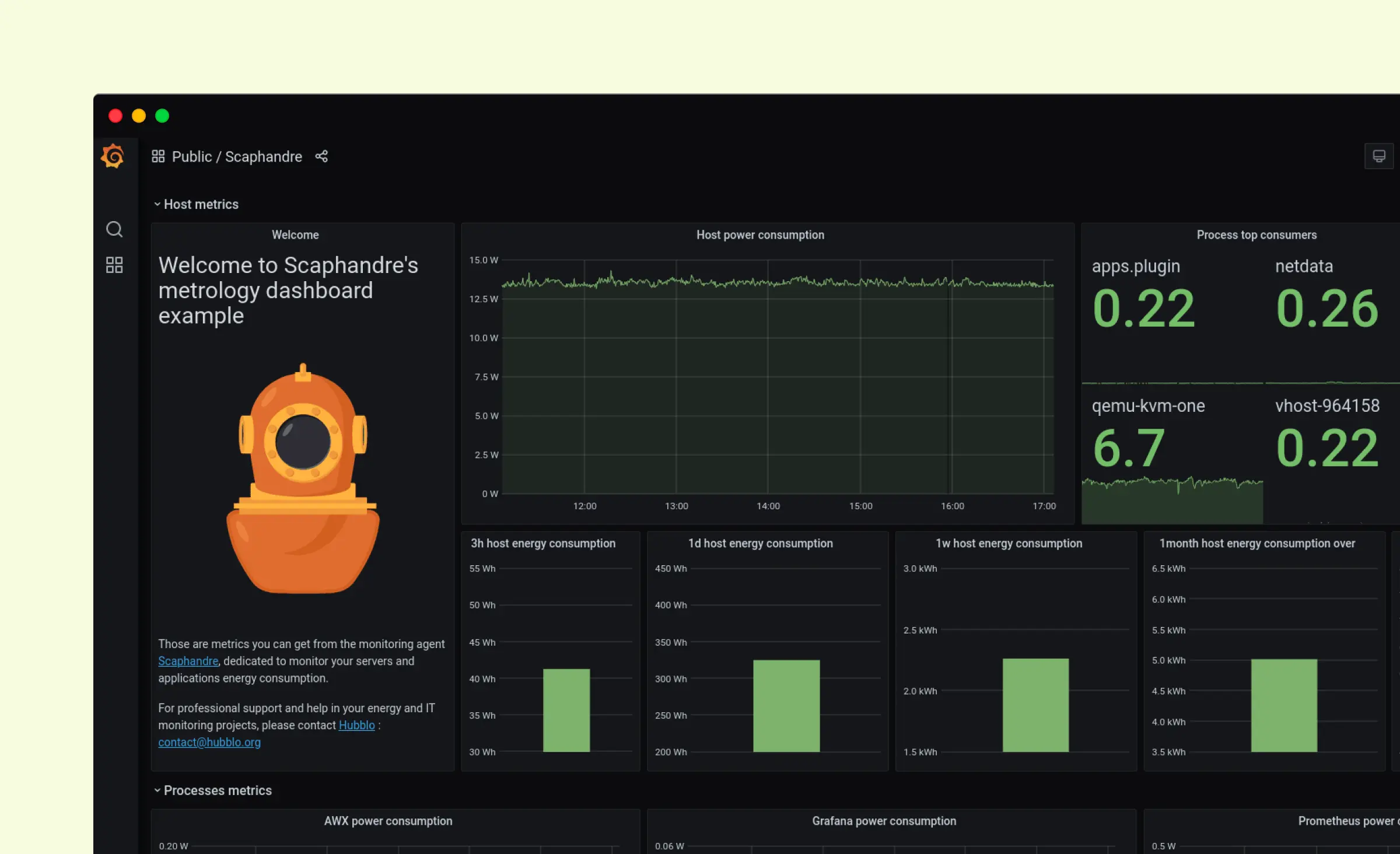
Energy-efficient software is engineered to complete tasks with minimal electrical power, whether running on a user's device or in the cloud. Efficient energy usage can involve features like adaptive refresh rates, optimized screen rendering, and reductions in idle processes, all contributing to lower overall energy consumption and supporting carbon footprint reduction software strategies.
Efficient use of resources
Green IT practices play a significant role in sustainable technology. Eco-friendly applications use up-to-date hardware and virtual resources to maximize computing power without unnecessary energy draw. Techniques such as load balancing, dynamic scaling, and selective resource allocation exemplify green computing and are central to software development sustainability. With these strategies, environmentally friendly software avoids overprovisioning and waste.
Code efficiency
Green coding principles guide developers to write programs that demand fewer resources and process data more intelligently. Algorithms that minimize computational complexity and conserve memory are hallmarks of green engineering. Through specific strategies like caching, iterating efficiently, and limiting data redundancy, eco-friendly applications deliver faster performance with less energy use.
Data management
Sustainable software engineering also involves smart data management. Eco-friendly applications typically use compression, data deduplication, and efficient query practices to keep storage and retrieval power needs low. This focus on software efficiency stretches to how apps interact with databases and how often they access the network or cloud services, reducing the environmental footprint tied to digital storage.
Carbon impact transparency
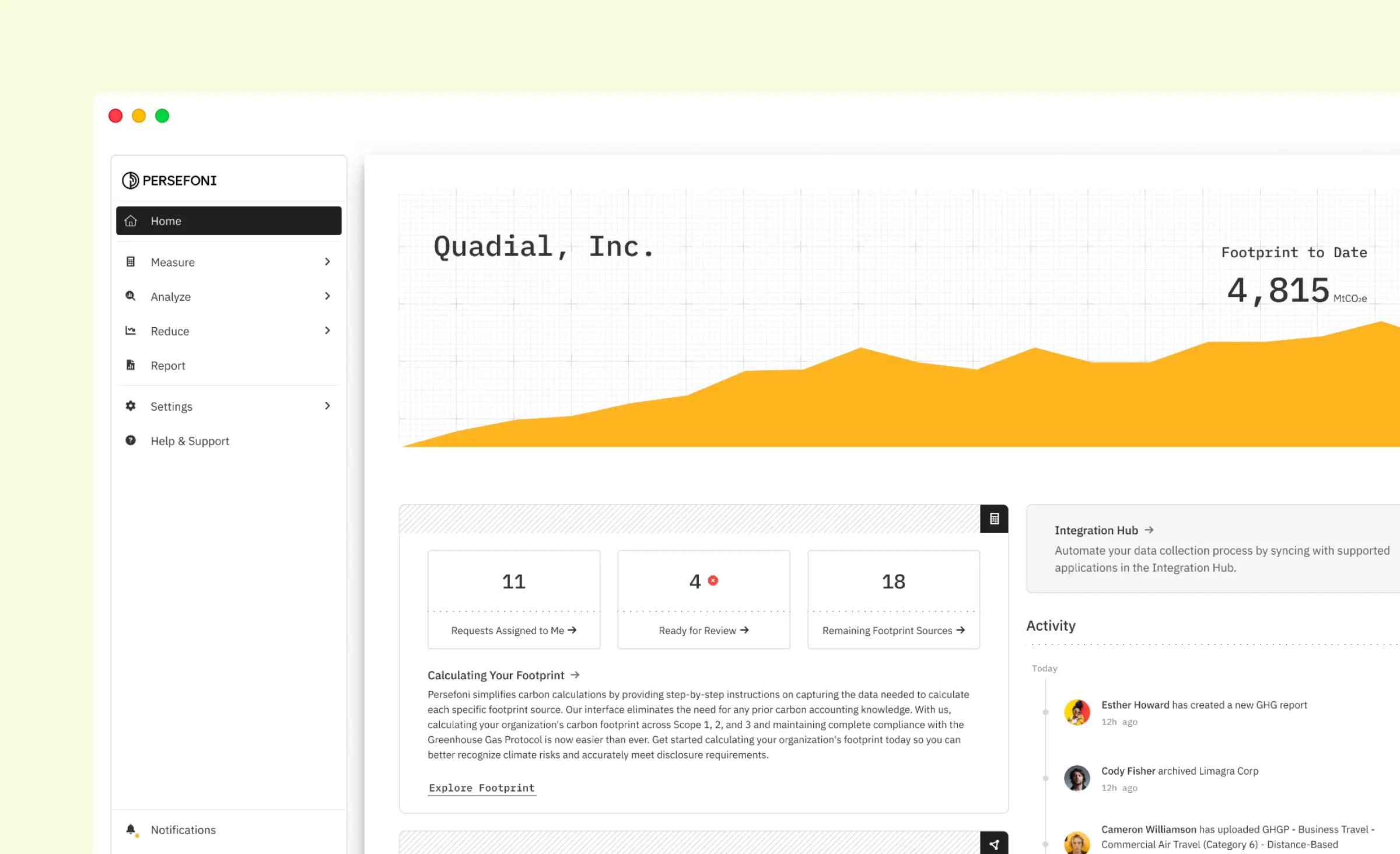
With carbon footprint reduction software now available, eco-friendly applications can be assessed for their greenhouse gas emissions. Modern tools report on power consumption during key operations or over time, giving companies clear metrics for understanding and communicating software environmental impact. This transparency is a growing part of responsible software development and meets increasing public demand for accountability.
Global and social alignment
Sustainable development goals software often aligns with international frameworks such as the UN’s SDGs. Eco-friendly applications support these goals by staying in compliance with environmental standards, reducing negative impacts, and promoting social responsibility. Companies benefit by showing leadership and forward-thinking through software development sustainability.
Responsible development practices
The ethos of eco-friendly applications includes a deep commitment to responsible software development. This principle centers on maintaining security, updatability, and ethical sourcing of technology throughout the app's life. By ensuring that environmental and social values are core to development decisions, eco-friendly applications support a sustainable, ethical digital future.
Innovation in green engineering
Green engineering in software relies on continuous improvement and adaptation. New frameworks, languages, and deployment models emerge to further enhance energy efficiency and reduce waste. Eco-friendly applications embody this spirit, representing the latest advances in sustainable technology and software tools.
In summary, the key principles behind eco-friendly applications combine software development sustainability, technological innovation, and ongoing responsibility. By focusing on energy efficiency, smart resource use, and a transparent commitment to the planet, these applications set a new standard for sustainable technology.
Green software design practices
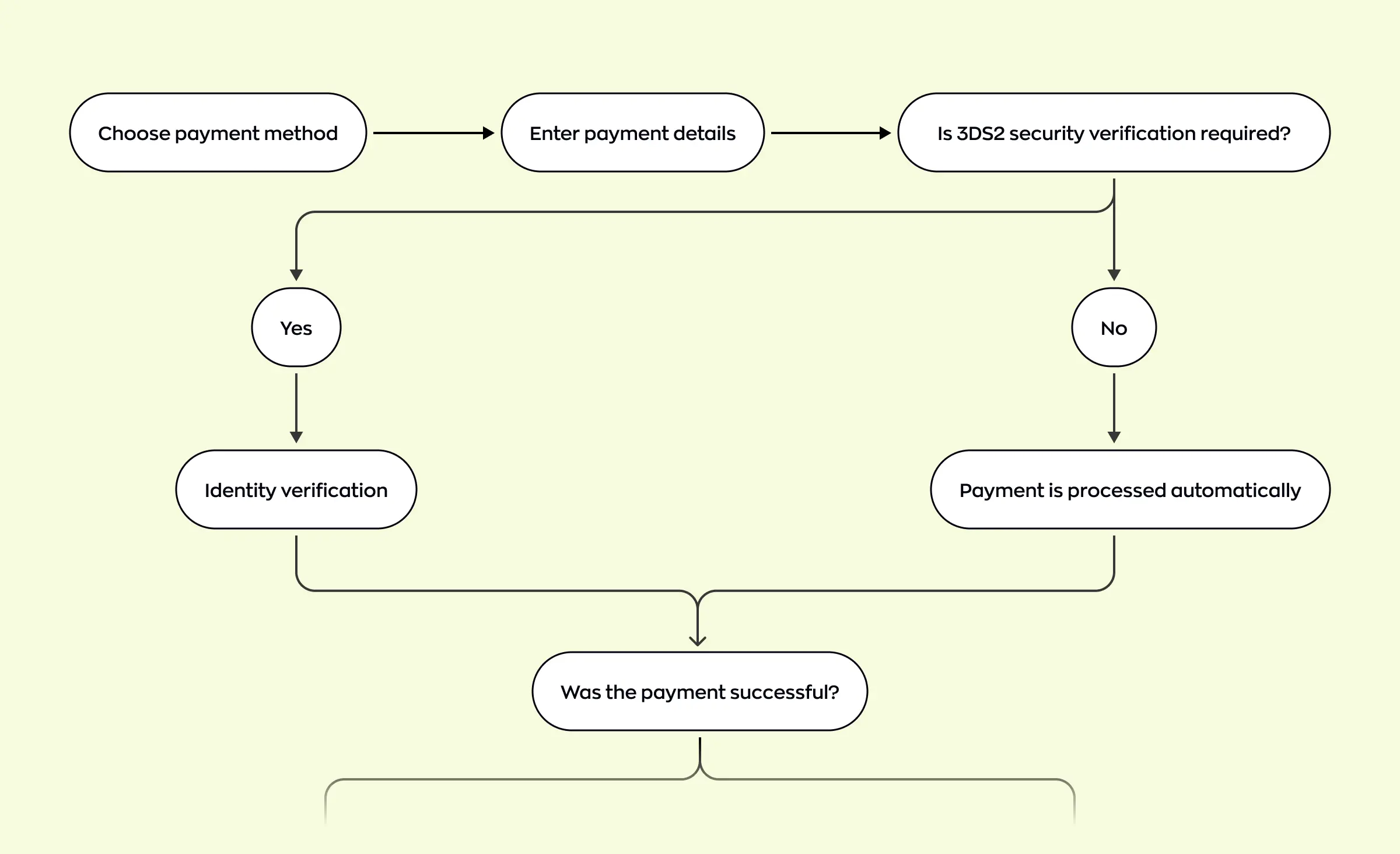
These are common practices designers use to create interfaces for eco-friendly applications:
Energy-efficient interface choices
For energy-efficient software, design teams use darker color palettes for OLED screens, lightweight graphics, and avoid auto-playing media. These choices extend battery life and reduce device energy use.
Sustainable design toolkits
Teams rely on sustainable design software to optimize asset sizes and flag high-impact interface elements. Using vector images saves storage space and improves efficiency.
Modular, lean architecture
Green software development encourages designers to break apps into small, reusable modules. This sustainable technology practice supports quick updates and cuts down on unnecessary data downloads.
Cloud resource awareness
Working with developers, designers plan for efficient cloud use and specify green IT practices — like minimizing storage needs and choosing regional data centers to reduce energy consumption.
Green coding principles
Design documentation highlights where green coding principles — such as lazy loading and selective data fetching — should be used to support both energy saving software and overall efficiency.
Performance and mockup testing
Designers thoroughly test mockups on a range of devices to ensure software efficiency. Any slowdowns or excessive power use are addressed early in the process.
Low carbon priorities
To promote digital sustainability, teams manage digital assets carefully and prioritize low carbon software. This includes image compression, deduplication, and energy-saving features in layouts and colors.
Green software development practices
These are some engineering practices that can be used to ensure software sustainability:
Algorithms for better performance
Selecting efficient algorithms is a foundation of sustainable software engineering. Developers carefully analyze various methods to solve a problem and choose those that require the least processing time and power. By doing this, they improve software efficiency and reduce overall energy demands, making eco-friendly applications more sustainable and affordable for businesses to operate over time.
Green coding principles
A major step in green software development is the use of green coding principles. Developers scrutinize the codebase for unnecessary calculations, avoid memory leaks, and cut back on redundant logic. These careful practices ensure that eco-friendly applications use hardware and software resources sensibly, supporting software development sustainability at every stage.
Optimizing energy consumption
Teams actively monitor their products with energy consumption software that highlights power-hungry features. With these insights, developers target functions that use the most energy and optimize code for energy, redesigning them to complete tasks faster and with less strain on devices or servers. The result: truly energy-efficient software.
Lean development
Keeping apps lightweight is central to digital sustainability. Developers routinely remove obsolete files, trim large libraries, and use compact data formats. This focus helps reduce download sizes and the amount of energy expended on updates, further supporting responsible software development and the longer life of hardware.
Containerization
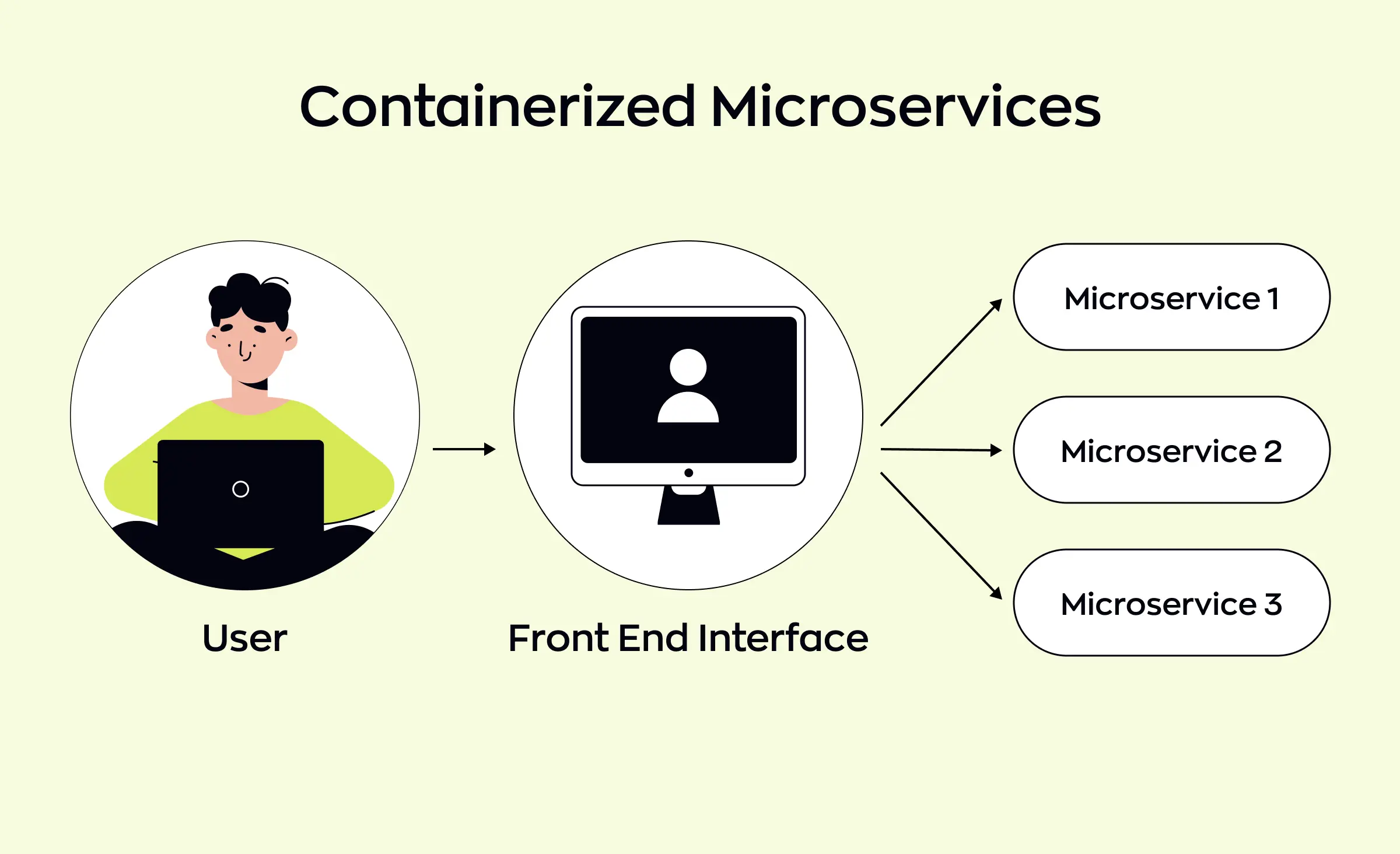
Adopting containerization for green IT enables developers to package applications and their dependencies into isolated units. This method means less overhead on servers and more flexibility when scaling, as containers require fewer resources than traditional virtual machines, supporting sustainable IT goals.
Efficient infrastructure
Green IT practices are integrated through choices in infrastructure and deployment. Developers configure systems to use shared hardware, select cloud platforms that prioritize renewable energy, and automate server scaling so excess computing power isn't wasted. This approach helps achieve software development sustainability on a systems level.
Responsible end-to-end development
Responsible software development extends beyond the code itself. Teams implement testing and debugging with sustainability in mind, checking for inadvertent energy drains and performance issues that would otherwise increase costs and emissions as the application scales.
Using modern frameworks
Sustainable IT is reinforced when developers select up-to-date frameworks and programming languages known for their stability and lower energy use. Modern platforms allow eco-friendly applications to run more efficiently and remain maintainable for years, aligning business needs with sustainable technology trends.
Sustainable software engineering culture
A company driven by sustainable software engineering fosters ongoing education and improvement. Developers adopt emerging tools and keep track of industry standards for energy-efficient software, contributing steadily to software development sustainability and overall green computing.
Green software deployment and usage
After the development phase is finished, the work on making software sustainable isn't over. It's important to ensure that the app runs efficiently and uses fewer resources.
Cloud sustainability
Deployment teams choose cloud providers focused on cloud sustainability. These providers run data centers with energy-efficient designs and sometimes use renewable energy sources to power eco-friendly applications.
Optimized algorithms for runtime
Before deployment, developers ensure that applications use efficient algorithms. This way, eco-friendly applications minimize unnecessary processing and deliver faster, more sustainable performance for both end-users and servers.
Sustainable cloud computing
Sustainable cloud computing allows automatic scaling and resource adjustment. Green software development teams structure deployments to dynamically match usage needs, which reduces waste and supports greater efficiency.
Energy consumption software
Once an app goes live, energy consumption software tracks performance and power use. This provides useful insights for ongoing improvements and helps quantify the software environmental impact for business owners.
Cloud cost optimization
Business value and ecological savings go hand in hand through cloud cost optimization. Teams regularly audit and adjust cloud resources, scaling them up or down to match real demand and lower operating expenses.
DevOps for sustainability
DevOps for sustainability embeds environmental best practices into release cycles. Automation tools spot excessive resource use, and teams act quickly, tuning deployments for stable, responsible software development.
Increasing data center energy efficiency
Green IT practices extend to on-premises or hybrid cloud installations. Up-to-date infrastructure and smart load balancing help maximize data center energy efficiency and reduce a business's energy spend.
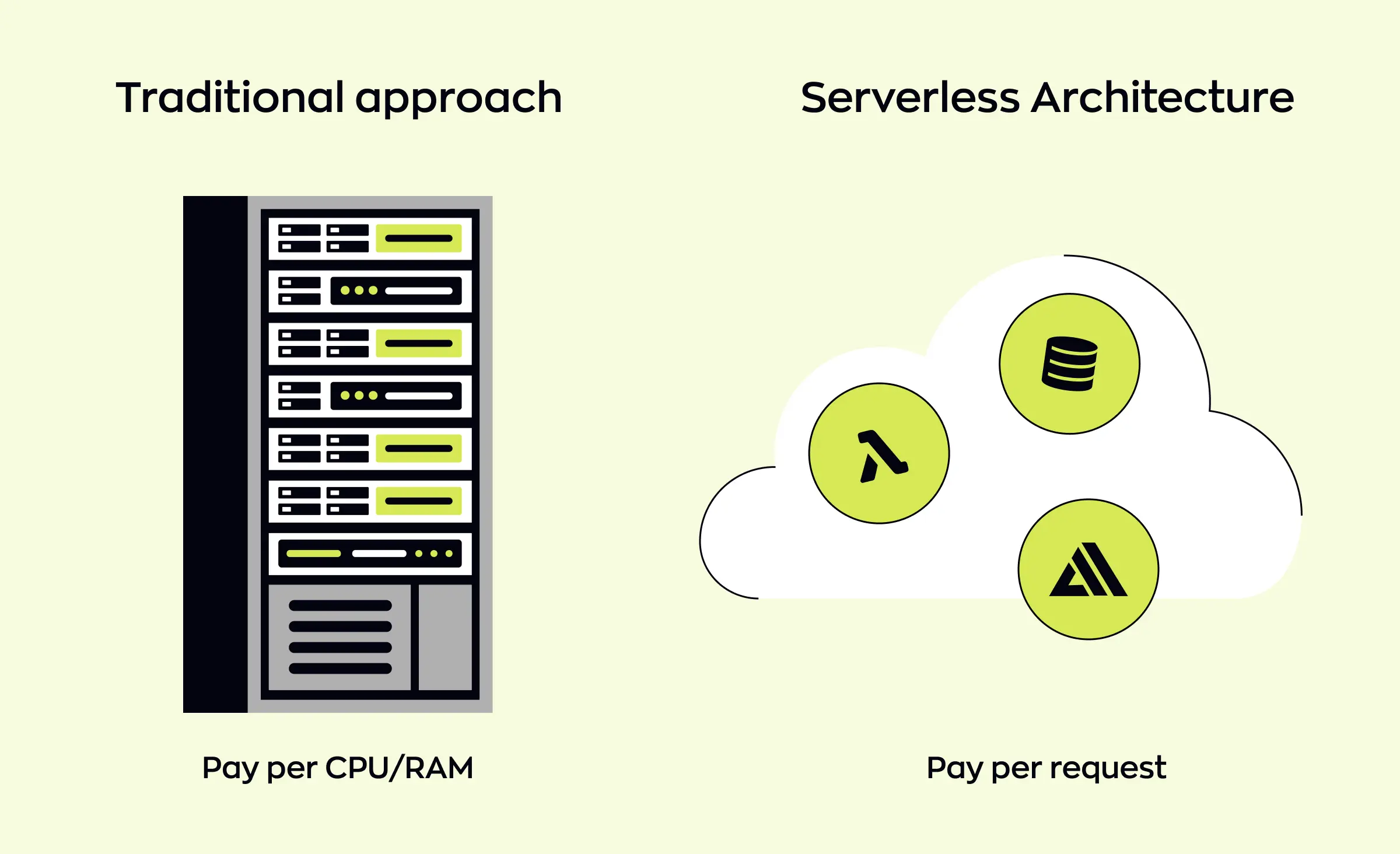
Serverless infrastructure
Switching features to serverless infrastructure brings serverless benefits for the environment. Functions only run when needed, cutting resource use and supporting cloud sustainability by reducing idle server time.
Delivering energy saving software
During use, teams build in features that help energy-efficient software run lean — such as smarter scheduling, efficient data sync, and options for energy saving software modes, benefiting users and the environment.
Altogether, these steps lead to more sustainable technology, support green computing, and encourage responsible software development. Regular reporting on progress helps companies share achievements in software development sustainability and strengthens their reputation for delivering environmentally friendly software.
How Ronas IT can help
At Ronas IT, we use top cloud platforms, such as Google Cloud and Amazon, because they lead in cloud sustainability. We pick the right mix of cloud storage and managed database services for your business needs. This makes your eco-friendly applications stable and secure, while also supporting energy-efficient software and reliable data protection.
We help you choose cloud storage by looking at what kind of data you have, how much you need, and your location and security needs. This helps with cloud cost optimization, so your business only pays for what you actually use. Our cloud solutions follow the best green IT practices.
Green UI/UX design
We offer UI/UX design services that make eco-friendly applications efficient from the start. Our team uses optimized UI-kits, reusable components, and smart user journey mapping to reduce digital waste. This approach helps create energy-efficient software and supports your company's software development sustainability goals.
Sustainable practices
Our team brings green software development and sustainable software engineering into every step of your project. Developers use green coding principles and green engineering to create fast, efficient software that avoids wasting resources. This boosts software development sustainability for your apps and services.
DevOps and support
For each project, we provide DevOps for sustainability. You can start quickly with our in-house tools — code review, automated testing, and live monitoring all come built in. After launch, we continue to help by maintaining digital sustainability through regular updates, bug fixes, and smart improvements for cloud cost optimization.
Flexible infrastructure
When your business grows or changes, we use containerization for green IT, such as Kubernetes, for easy scaling and resource savings. We are skilled at setting up both server-based and serverless environments, so your eco-friendly applications benefit from sustainable cloud computing and are always ready for higher demand.
By working with Ronas IT, you get a partner who is committed to responsible software development, cloud sustainability, and sustainable technology. Every step we take helps reduce the environmental impact of your software and makes your business part of a greener digital future.
Conclusion
Green software development is a responsible approach that leads the way toward a cleaner digital future. By focusing on eco-friendly applications, companies can lower their environmental impact while still delivering advanced solutions for users and clients. Principles like software development sustainability, efficient algorithms, and green IT practices help every project run leaner and smarter.
Choosing sustainable technology doesn't just benefit the planet — it also translates into concrete business advantages. Energy-saving software, cloud cost optimization, and sustainable cloud computing reduce operating expenses and support predictable growth. These improvements are the foundation of sustainable IT, forming digital systems that are both effective and ethical.
Teams that adopt digital sustainability and efficient development tools will set new standards for their industry. Today's environmentally friendly software combines cutting-edge functionality with low carbon software strategies to deliver excellent performance without compromise.
Now is the best time to join the movement toward more sustainable technology. With the right partners and practices, your business can deliver software solutions that help build a greener, more sustainable digital world for everyone.
Related posts











Related Services


Development
React Native App Development Services
Development
MVP Development Services

Development