
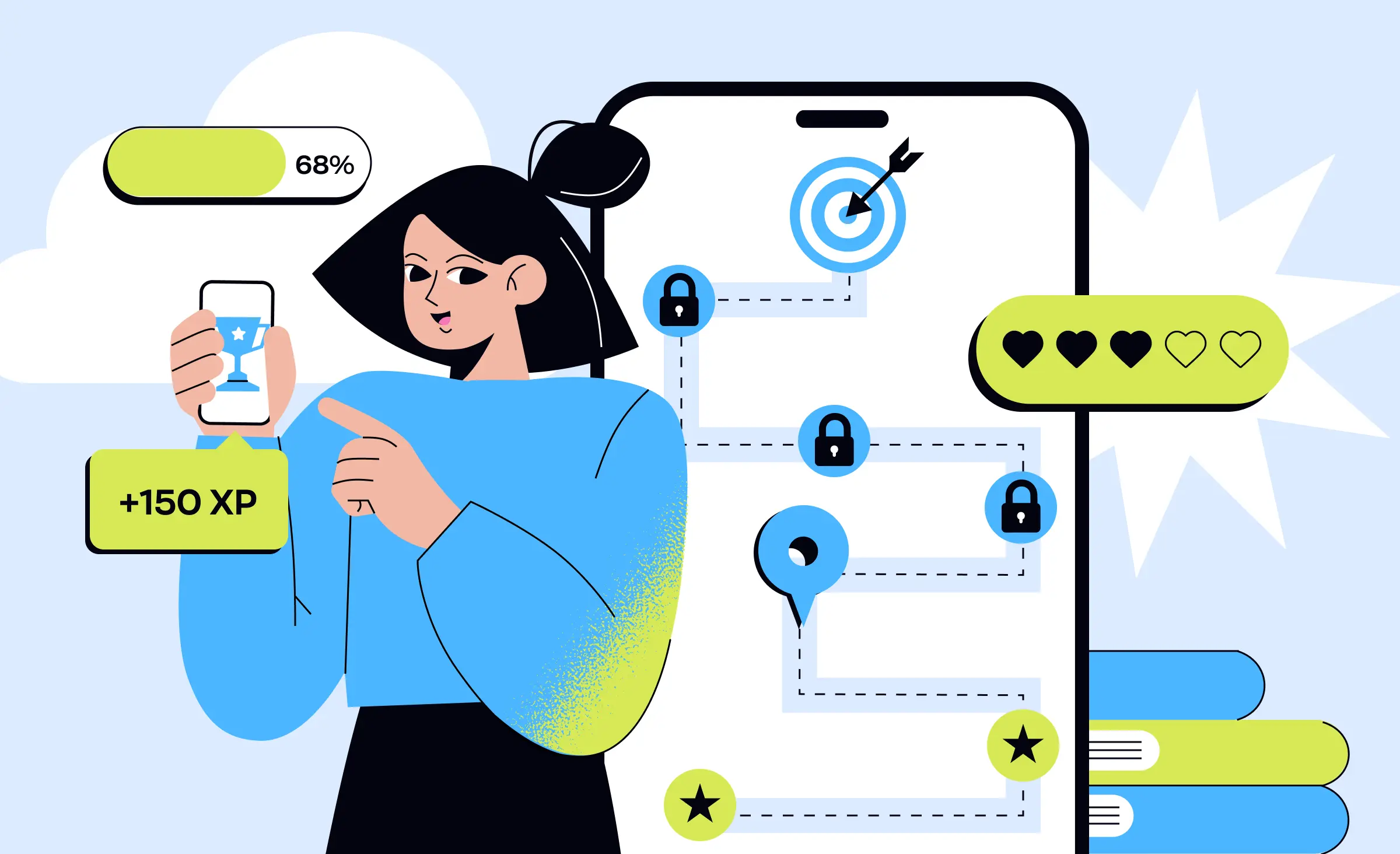
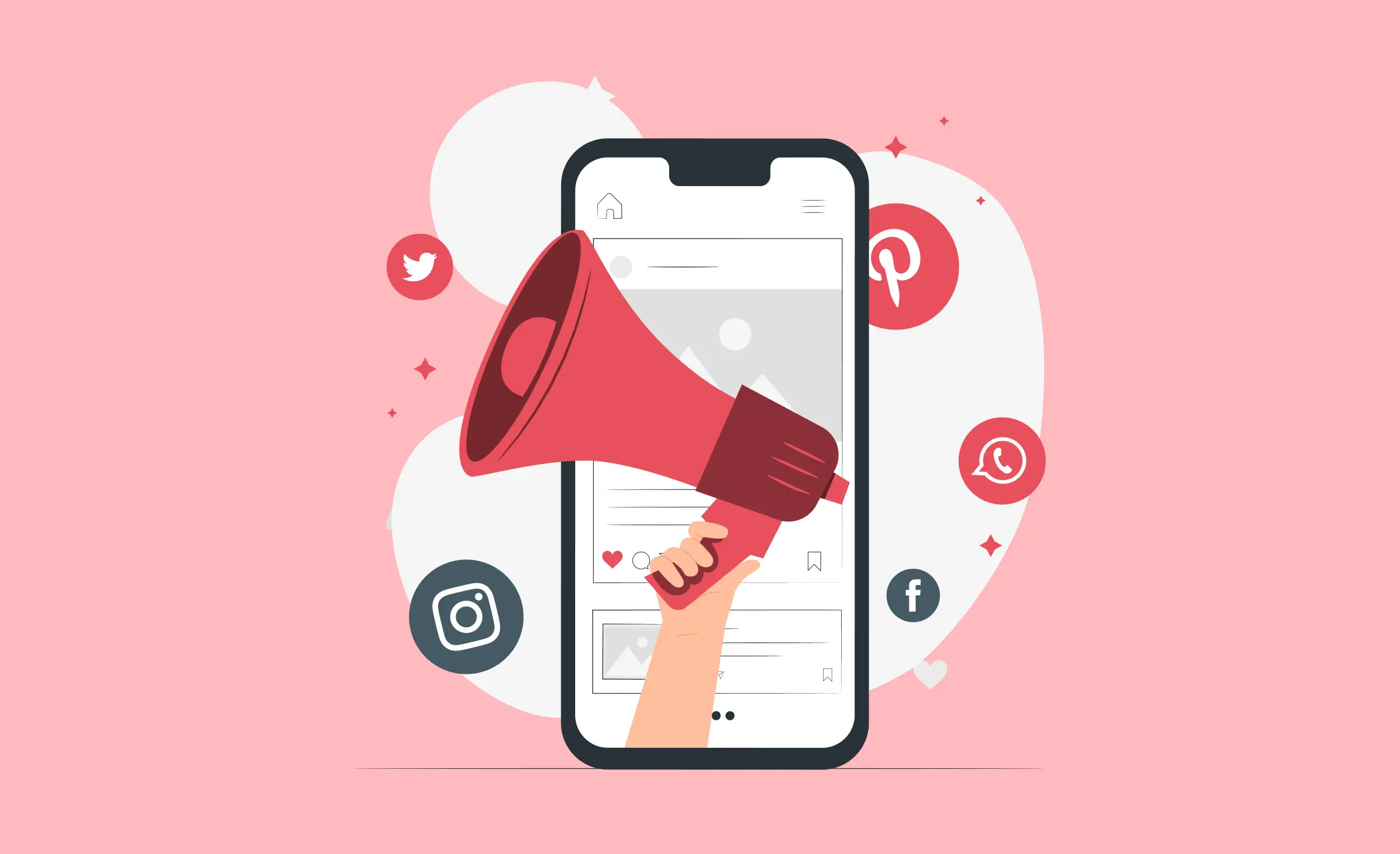
Gamification is changing how companies connect with customers. By adding fun challenges and rewards to a mobile app, businesses can boost user engagement and increase their app retention rate. As more brands focus on app user retention, creating a gamified app becomes an important part of app development. In this article, we'll look at why gamification is so effective and how you can use these ideas to keep your users coming back.
What is gamification and how does it work?
Gamification means applying game-design elements and principles in non-game settings. With app gamification, businesses add playful features to a regular app or mobile app to make daily tasks more enjoyable. This approach helps users stay engaged and more likely to return. Companies see a stronger retention rate when they focus on creating fun, interactive journeys.
Key psychological triggers
Gamification works because it connects with motivations that are universal to people. Let's look at the main drivers that make gamification effective:
- Achievement: Gamified apps reward users for progress and success. For example, points, badges, and levels are classic gamification elements that show advancement and keep people striving for more. This sense of achievement powers both user engagement and ongoing app retention.
- Competition: Many apps use leaderboards and rankings to tap into people's competitive sides. Friendly rivalry motivates users to keep participating and try to outperform others, which drives up both engagement and overall retention. When companies use gamification techniques that match their user base, they can help build communities of loyal users.
- Social connection: Gamification often includes sharing, team challenges, or group milestones. When users see the progress of their friends or join collaborative activities, they feel part of a bigger story. These group moments not only deepen user experience but can increase daily engagement and frequent app use.
- Ownership: Features that let users build profiles, unlock content, or customize their app journey tap into a sense of investment. When people feel they own their progress or status, they become loyal users and contribute to sustained user retention. Features like customizable avatars, saved achievements, and personal content give users a reason to keep coming back.
- Urgency: Limited-time offers, badges that expire, or countdown challenges motivate users to act now. These well-timed gamification taps take advantage of the fear of missing out and boost engagement during important moments. A simple feature like a limited-time progress bar can get users to interact right away.
- Purpose: When a gamified experience provides a purpose beyond the basics, such as learning new skills or improving health, users engage more deeply and come back regularly. Tracking user behavior and user preferences helps apps adjust content and features to make the experience meaningful. At the same time, smart app development uses data and feedback to optimize every point of interaction.
By combining these psychological triggers with the right mix of features and gamification elements, businesses can improve app retention, user engagement, and create loyal communities.
Common gamification elements and how they're applied
Gamification works best when you mix the right elements into your app. With thoughtful app gamification, you can encourage stronger user engagement and help boost your app's retention rate. These gamification elements can change how users interact, turning simple tasks into rewarding experiences.
Points, badges, and leaderboards
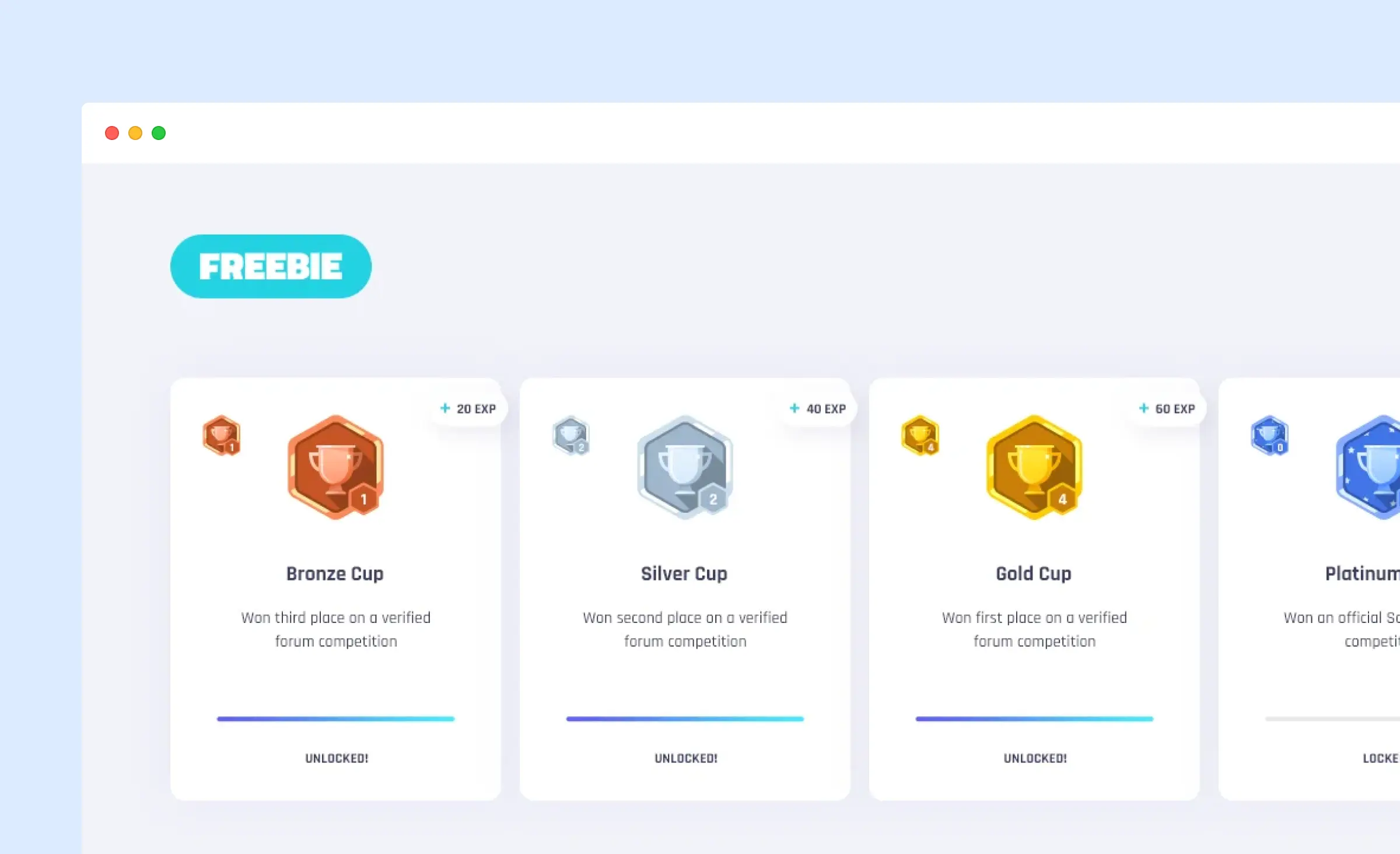
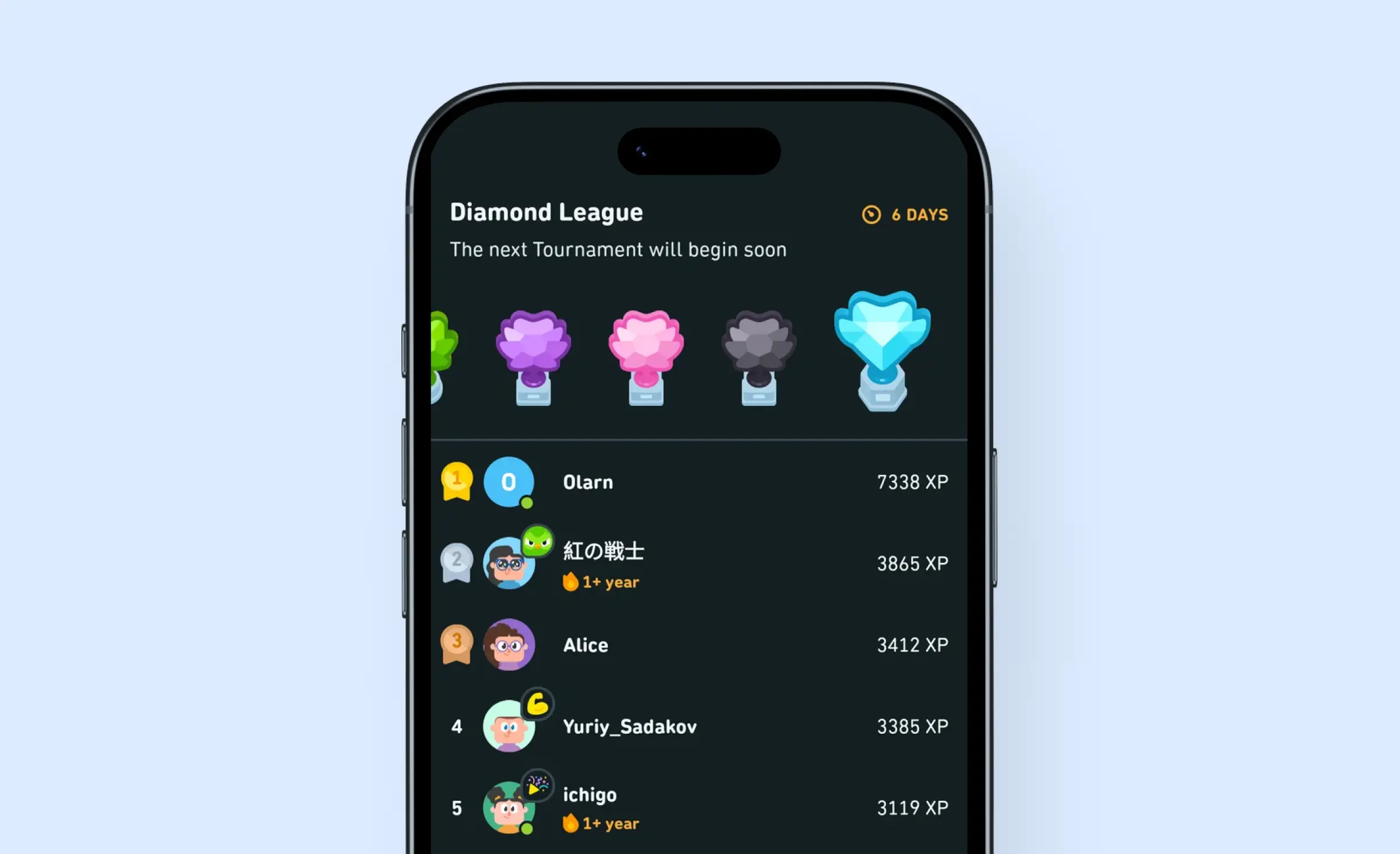
Many successful gaming apps use points systems to reward actions, making users feel their progress is recognized. Badges give visual rewards for completing goals, and leaderboards create healthy competition among users. These features not only help drive app engagement but also support habit formation by motivating regular app usage.
Progress bars
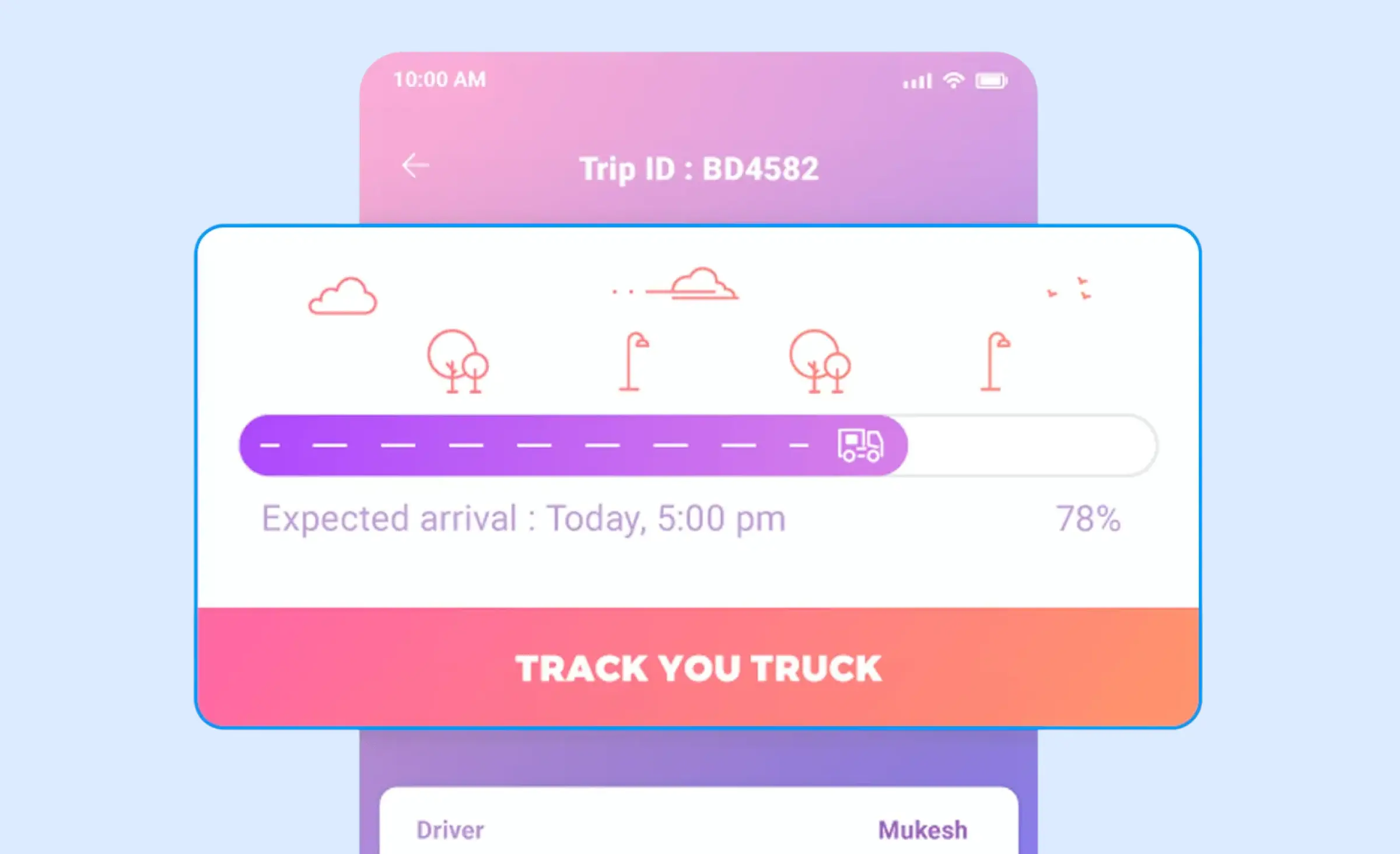
A simple progress bar lets users see how far they've come and how much is left to do, whether they're completing a profile or moving through onboarding steps. Visual cues like progress bars provide clarity, boost motivation, and enhance overall user experience. They let users feel in control and more likely to stick with the app, raising app retention.
Progress bars
A simple progress bar lets users see how far they've come and how much is left to do, whether they're completing a profile or moving through onboarding steps. Visual cues like progress bars provide clarity, boost motivation, and enhance overall user experience. They let users feel in control and more likely to stick with the app, raising app retention.
Challenges and quests
Giving users short-term and long-term challenges is a popular gamification feature. Quests create a sense of adventure and guide users through your app, while structured goals support user engagement and make it more likely that users will complete important actions.
Levels and tiers
When users reach new levels or move up tiers, they unlock special content and abilities. This kind of feature keeps the experience fresh and exciting, giving users strong reasons to keep coming back to the app.
Virtual rewards
Gamified elements such as virtual currencies or tokens build a small in-app economy. Users earn and spend these rewards, driving both engagement and loyalty. Many apps run a loyalty program that lets users exchange points for perks, encouraging continued use and improving app retention.
Social features
Adding team competitions or sharing functions creates a sense of community. When users celebrate achievements together, their connection to the app grows stronger. These social features are often seen in both productivity and gaming apps, and they help build lasting user engagement.
Onboarding gamification
A smooth start is key for new users. By guiding them with small tasks and instant feedback, you build confidence and start the process of habit formation. This approach uses gamified methods to help beginners feel at home and ready to explore more app features.
Each feature should fit your app's goals and your users' needs. Tracking progress, introducing new content, and responding to app usage trends can help you build a better experience and raise the retention rate. Choose gamification elements that match your audience, and your app can stand out by offering fun, valuable, and engaging experiences built to last.
Gamification in different industries
Gamification is a powerful way to make digital experiences more interesting and effective. It brings real results in many sectors by improving user engagement, deepening app retention, and turning ordinary experiences into memorable ones. Let's see how different industries benefit from gamification.
Education
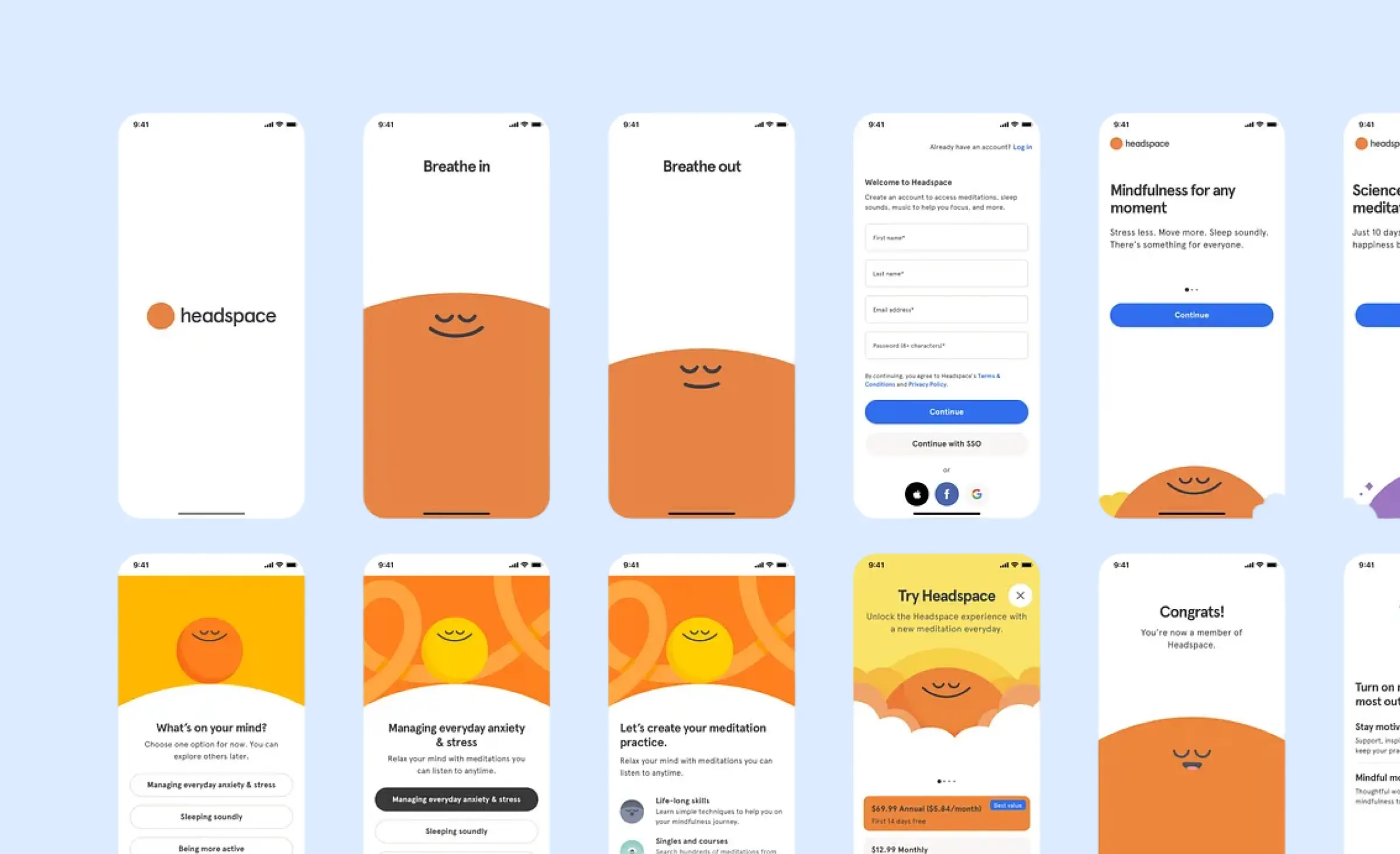
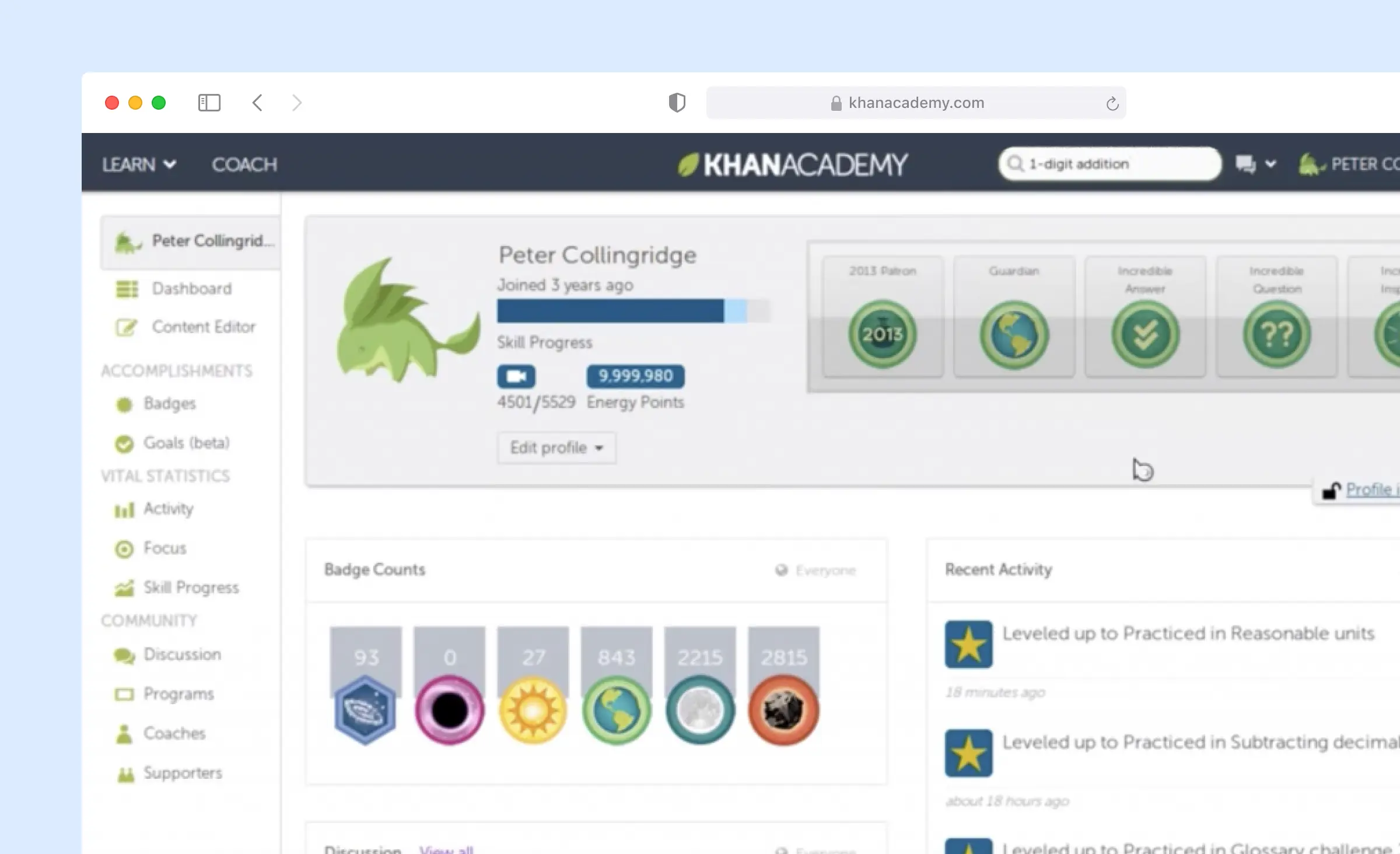
In the education space, apps like Duolingo and Khan Academy use gamified experiences to motivate learners. These platforms use badges, streaks, and points to help users stay focused and excited about their progress. This approach keeps students coming back, supports higher app retention, and improves learning outcomes at the same time.
Fitness
Gamification has transformed the wellness industry. Apps like Strava and MyFitnessPal use challenges and achievements to encourage regular exercise. A good fitness app uses leaderboards, activity rings, and milestones to give users instant feedback and keep them motivated, which lifts user engagement and supports healthy retention.
Fintech
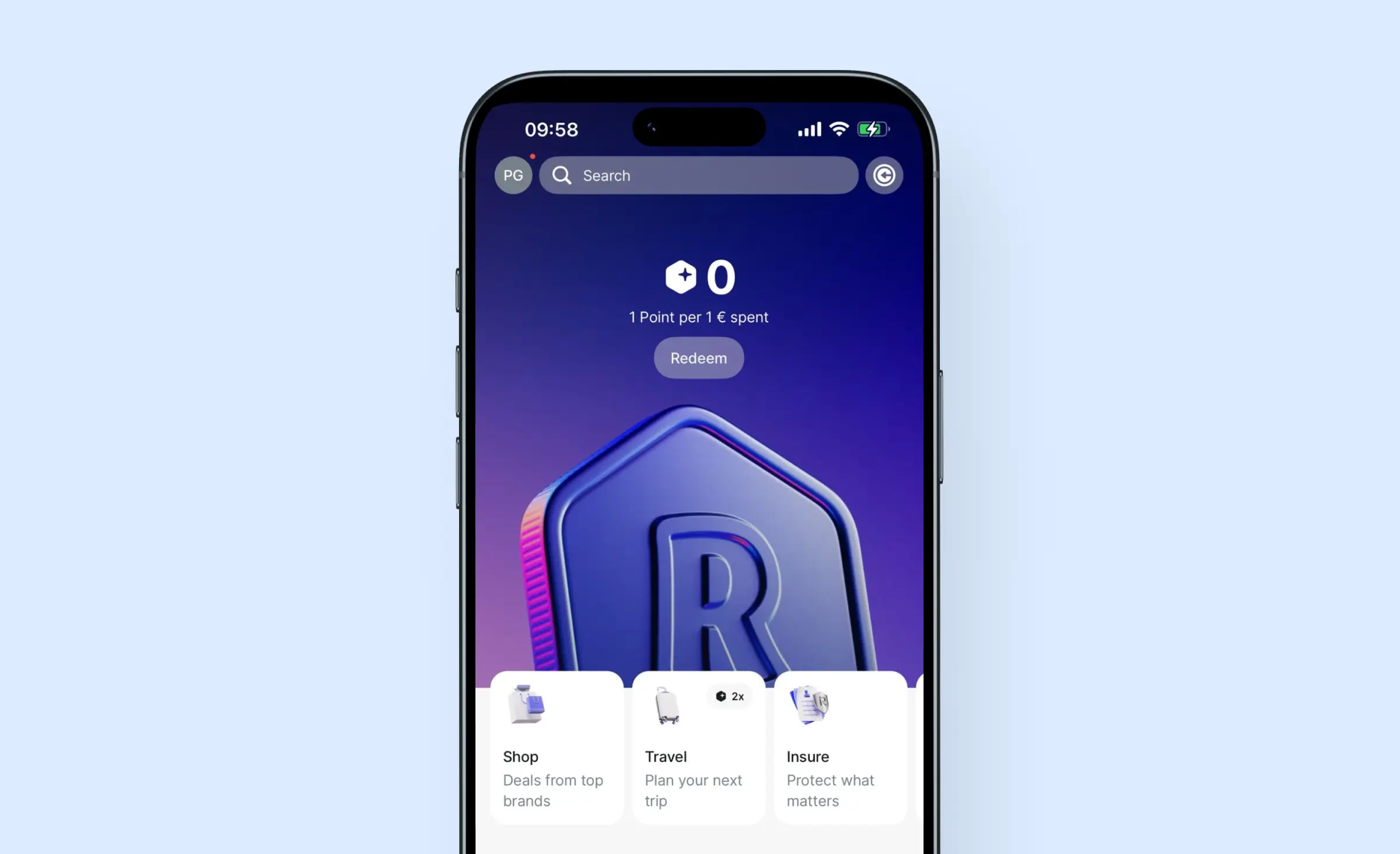
Money management might not sound fun, but fintech apps like Revolut and Qapital prove otherwise. These apps add savings challenges, interactive budgeting, and reward programs to spark customer engagement and inspire better financial habits. Clever use of gamification raises app retention rates and helps customers stay committed to their goals.
E-commerce
Retailers also embrace gamification to boost loyalty. Apps like Starbucks and Sephora reward users with loyalty points and personalized perks. Through mobile games or daily challenges, customers enjoy playful, memorable interactions that drive purchases and build loyal users over time.
Social media
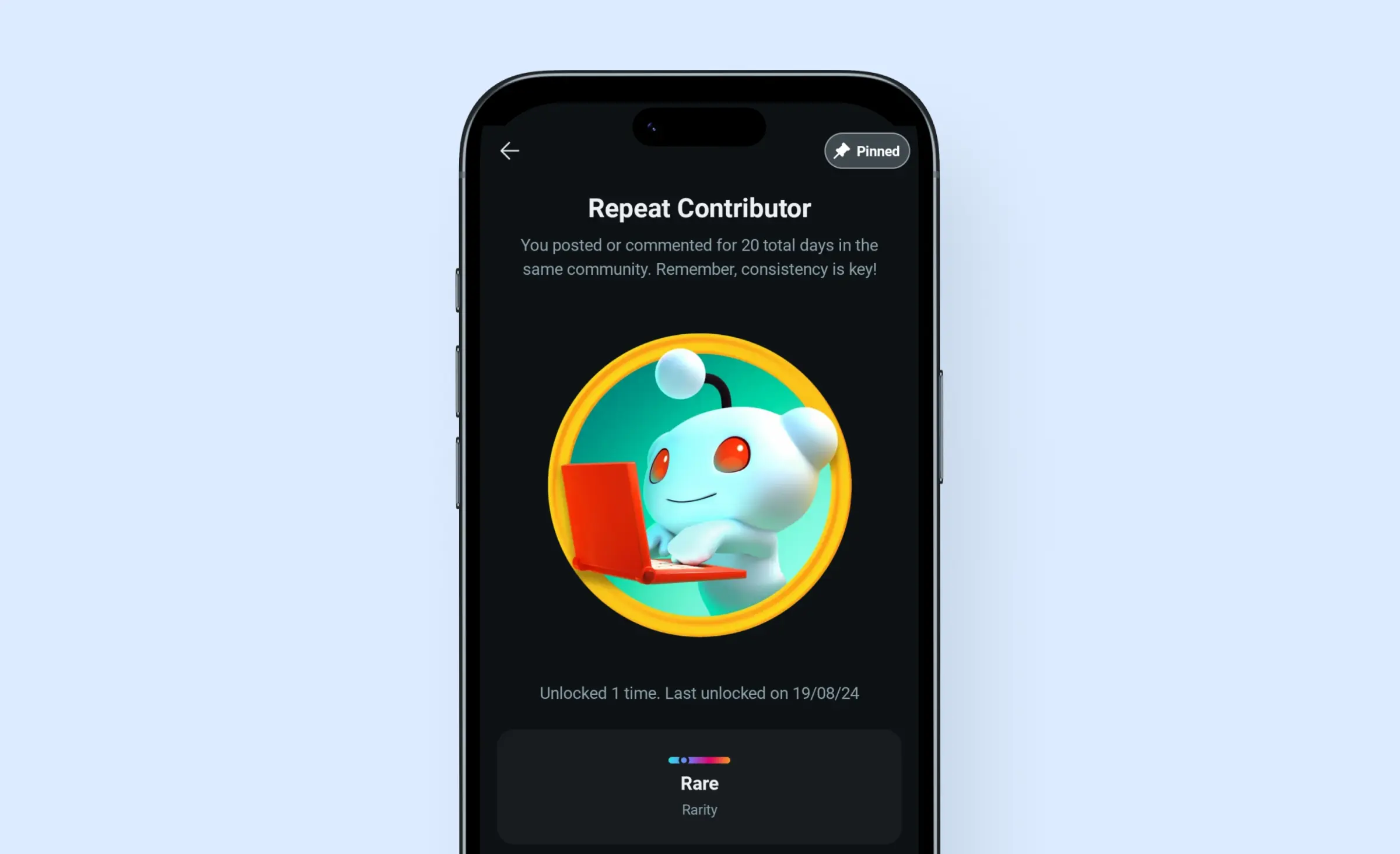
Social media platforms such as Reddit and Snapchat turn everyday interactions into fun. Badges, content creation rewards, and status levels help increase user satisfaction. These social features get users posting more often and sharing with friends, which builds a lively community and supports strong app retention.
Workplace productivity
Collaboration tools like Trello and Asana have made workplaces more engaging with gamification. Each productivity app uses progress tracking, goal completion, and motivational badges to keep teams on task. Integrated rewards and celebrations improve both user engagement and app retention.
Gaming apps
Finally, app gamification has its roots in gaming apps like Candy Crush and Clash of Clans. These experiences are built entirely around gamified mechanics, driving impressive user numbers and constant innovation.
A well-designed gamified app adapts gamification for its audience — using badges, leaderboards, or progress meters as needed. Each approach collects valuable user data to refine what works best and keep growing its mobile app audience. No matter the industry, gamification can raise engagement, boost app retention, and turn everyday routines into something special.
Key gamification practices and challenges
Applying gamification to your app can improve both user engagement and business performance, but only if done right. Here are some best practices to help form a successful gamification plan and boost app retention.
Best practices
Know your audience:
A thoughtful gamification strategy always starts with understanding your users. Different audiences respond to different gamification elements. When you tailor each feature to match what users want — whether it's personal progress tracking or a competitive leaderboard — you increase both user engagement and satisfaction.
Align with business goals:
Your app gamification approach should always support your core objectives, like better user retention or stronger customer engagement. Gamification must have a purpose. Linking game mechanics to your business goals helps create real results for your app.
Balance fun and functionality:
Don't overwhelm your app with game-like features at the cost of its main functions. The best mobile app experiences blend fun elements with essential tools. A carefully crafted user experience ensures that games support, not distract from, your main offerings.
Provide meaningful rewards:
Rewards work best when they matter to your users. For example, a simple yet motivating loyalty program can keep people coming back. When users get real value like unlocked content or discounts, they're more likely to stick around, increasing customer retention and app user retention.
Keep it fair and transparent:
Honest and clear feature rules are key for better user retention. Avoid manipulative tactics and make it easy for users to understand how the gamification works. Collecting and acting on user feedback can build trust and help everyone enjoy the process.
Iterate and optimize:
Gamification works best with constant updates and improvements. A skilled app developer pays attention to what increases app engagement and listens to feedback. Experimenting with new gamification techniques and tracking results can help raise your retention rate and improve the overall user experience.
Common pitfalls
Too many gamified features:
Adding too many features can confuse or even annoy your users. Overuse of gamification leads to clutter rather than engagement, hurting both user engagement and app retention in the long run.
Ignoring motivations:
If you don't know what drives your users, your efforts can feel empty. Gamified tasks that ignore user interests often fail to motivate and may decrease user interaction and retention.
Unbalanced or unfair mechanics:
Mechanics that feel unfair or manipulative never work well. They frustrate people, lower user retention, and damage your app's reputation. Instead, focus on transparency and honest rewards.
One-size-fits-all rewards:
Generic rewards rarely work for everyone. Understand your users' habits and create systems that adapt and feel personal, like a custom feature or points structure.
Neglecting updates:
Gamification shouldn't be static. Even great experiences need improvement. Use progress tracking and regular updates as part of your mobile app development approach. This keeps your app fresh, builds loyalty, and raises app retention over time.
By following these best practices and steering clear of common pitfalls, you can strengthen your gamification system, make your app more engaging, and see real improvements in both user and customer engagement.
How Ronas IT can help
At Ronas IT, our app development experts know how to make your app more engaging through smart app gamification. We can add gamification elements like progress bars, points, badges, and leaderboards to any mobile app or web app. By tailoring each gamification feature to your business goals and user preferences, we help improve user engagement and boost your app's retention rate.
Our designers work to increase user experience, keep users motivated, and support higher app retention. We can set up loyalty programs, custom rewards, and other gamified elements that turn casual users into active customers. With detailed user data, we fine-tune your app for the best results, helping you grow customer loyalty and drive user retention.
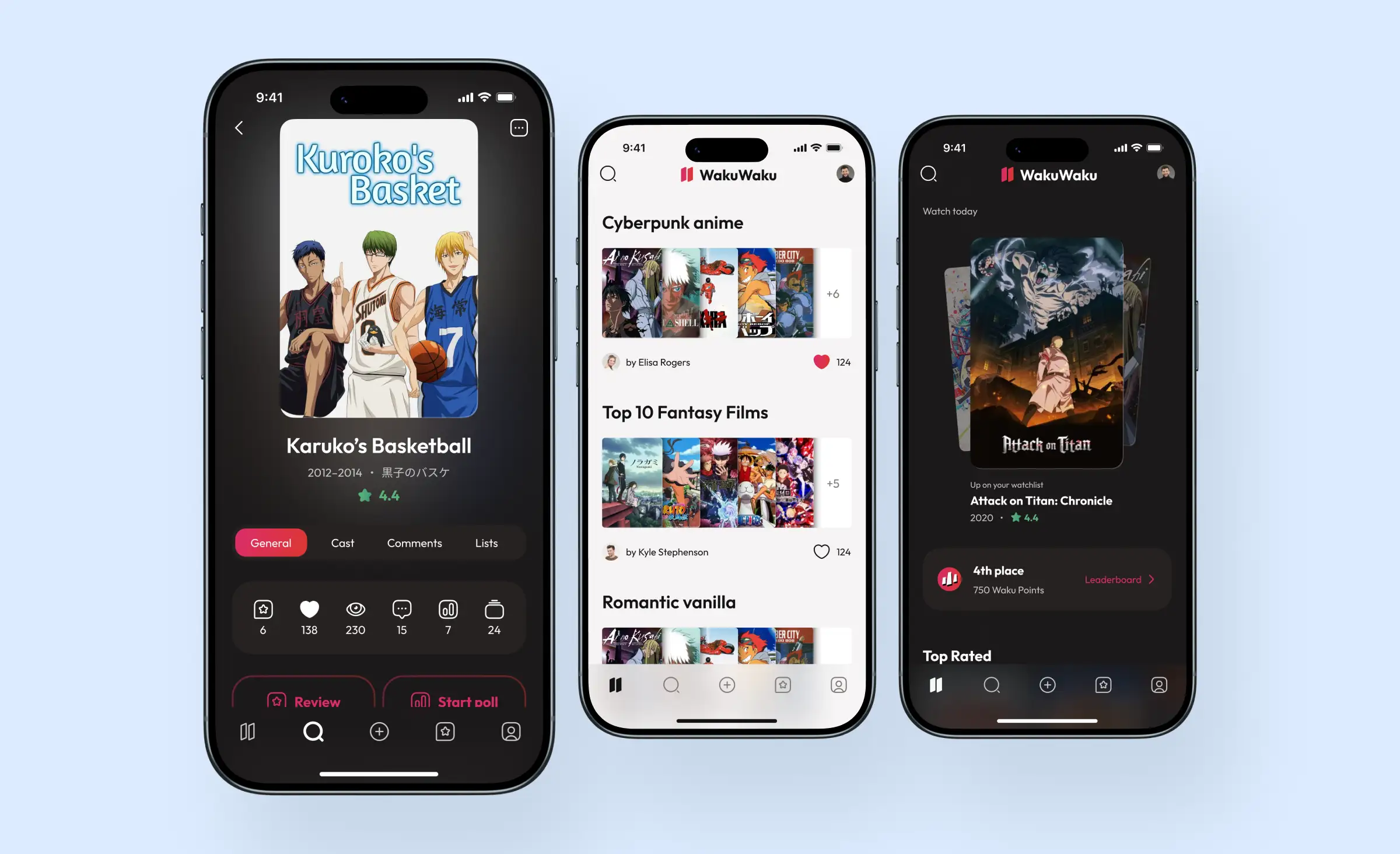
Waku Waku case
Related posts





Related Services
Development
React Native App Development Services
Development
MVP Development Services
Development