API-first development: Crafting scalable and integrated digital experiences


Everywhere you look, digital experiences are becoming more sophisticated — and more connected. With so much change, older software development practices often slow companies down. The promise of an API-first development strategy is now coming to life: organizations aren't just talking about designing stronger APIs, they're making them the backbone of business.
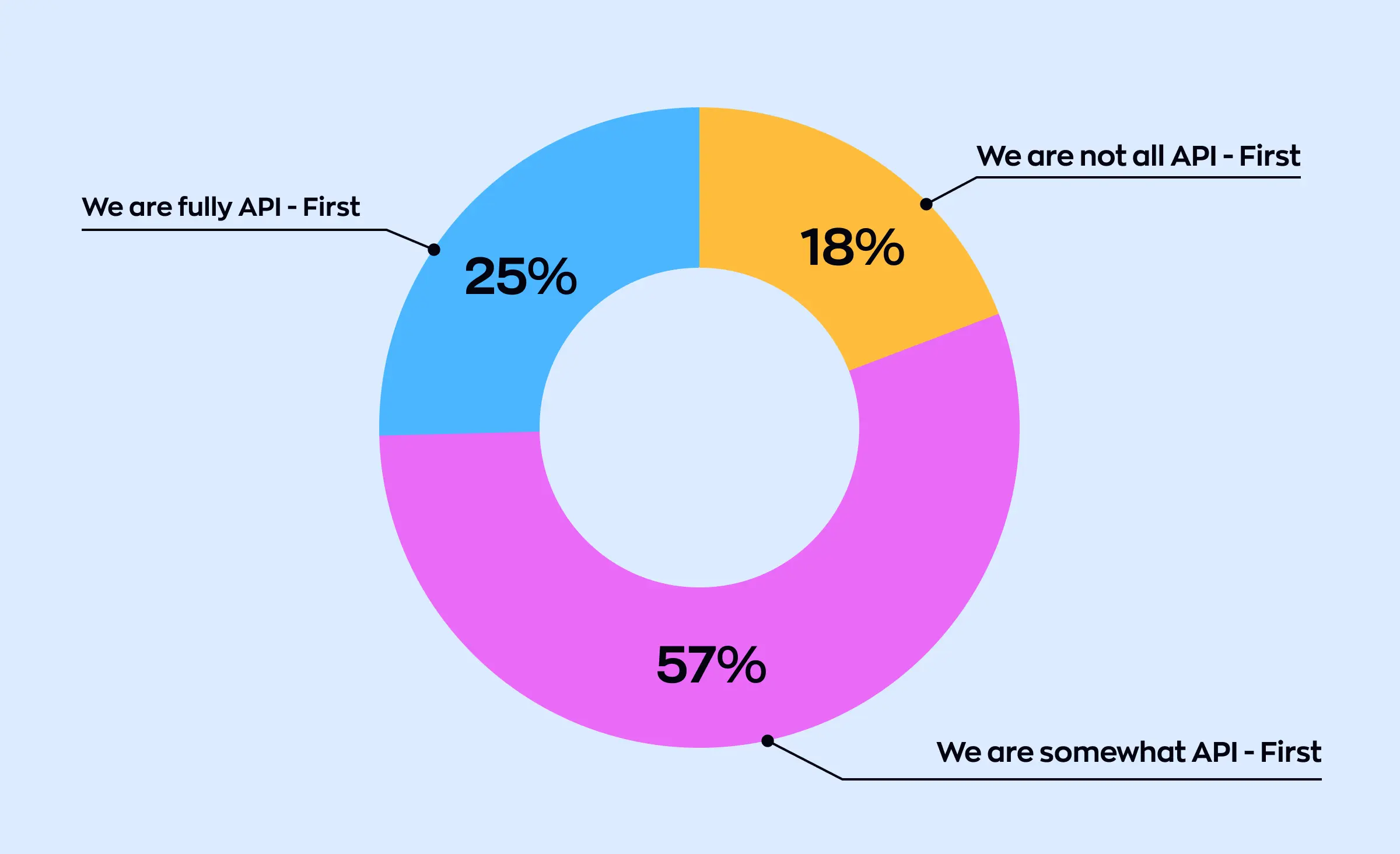
The data makes it clear: the API-first approach is no longer a future trend, but today's reality. Eighty-two percent of organizations now follow some level of API-first, with 25% operating as fully API-first organizations — up 12% from last year. That shift signals a deep change: APIs are no longer byproducts. They're durable products that drive scale, speed, and innovation for every digital product or service. Instead of treating the application programming interface as a side job, leading teams build it into the heart of the development process. They focus first on API design, making sure contracts are ready from the start.
For many, switching to API-first development unlocks more than technical benefits. It turns APIs into living products with real roadmaps, feedback loops, and APIs ready for both human and machine use — all while improving governance. These API-first practices let organizations rethink how teams deliver features, connect services, and speed up integration across every digital channel.
If your software development team wants to keep up with shifting markets, focusing on a strong API-first development approach is a must. It lays down clear pathways for developers and makes digital experiences smoother for everyone. In the next section, we'll explore how this shift reshapes mindsets, and why putting APIs front and center brings lasting value for both business and technology teams.
Understanding API-first: A shift in development mindset
The API-first approach is transforming how development teams plan and build software. Instead of tacking on APIs as an afterthought, teams now start with API design first, making the application programming interface central to every decision. This shift changes the development process itself — developers collaborate on a detailed API specification and agree on an API contract up front. The result is a clear roadmap that makes integration smoother for every API consumer.
Across industries, organizations see the benefits of setting strict standards and using the right tool for API development and documentation. Choosing an API platform early lets teams fix mistakes before code is written. Strong API governance also prevents drift, so APIs always stay useful and safe for both internal and external partners.
Why the API-first mindset matters
Starting with API-first is about more than just speed. It helps teams design APIs that are robust, reusable, and easy to adopt as technology or business needs change.
Key benefits include:
- Reliable, contract-driven development for alignment between teams
- Quicker onboarding for developers and easier maintenance as your business grows
- Consistent APIs that delight API consumers and avoid last-minute surprises
A shift to API-first signals maturity in software development. It's a long-term strategy that supports both flexibility and structure, helping organizations adapt and thrive in a fast-changing digital world.
Up next, we'll explore how these efforts translate into strategic and measurable advantages for growing businesses.
The strategic advantages of API-first development
Organizations that want to lead in today's digital economy are turning to an API-first strategy — not just to speed up their technical processes, but to unlock new business value and revenue streams. Choosing API-first calls for thoughtful API design, better alignment across development teams, and a sharpened focus on what makes APIs successful for both internal and external API consumers.
Revenue generation and the new business model
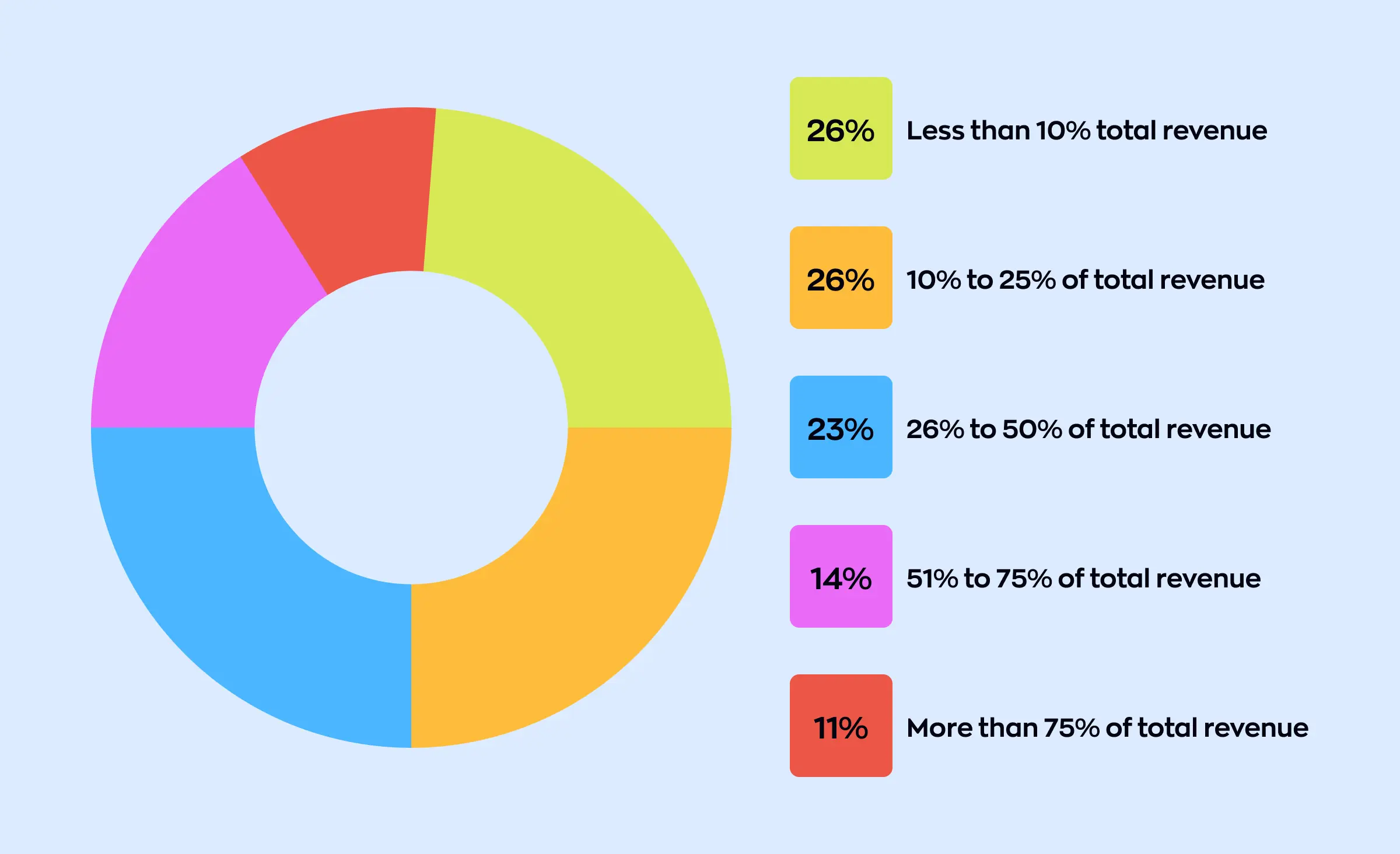
The numbers speak for themselves: APIs are no longer just a technical layer; they're real engines for business growth. According to Postman's research, 65% of organizations already generate revenue from their APIs — a clear sign that APIs, when managed as products and not merely technical projects, can transform into profit centers. Among those monetizing APIs, the impact is even more pronounced: the majority (74%) earn 10% or more of total company revenue through APIs, and a strong 25% report that more than half of their revenue now comes from an API program.
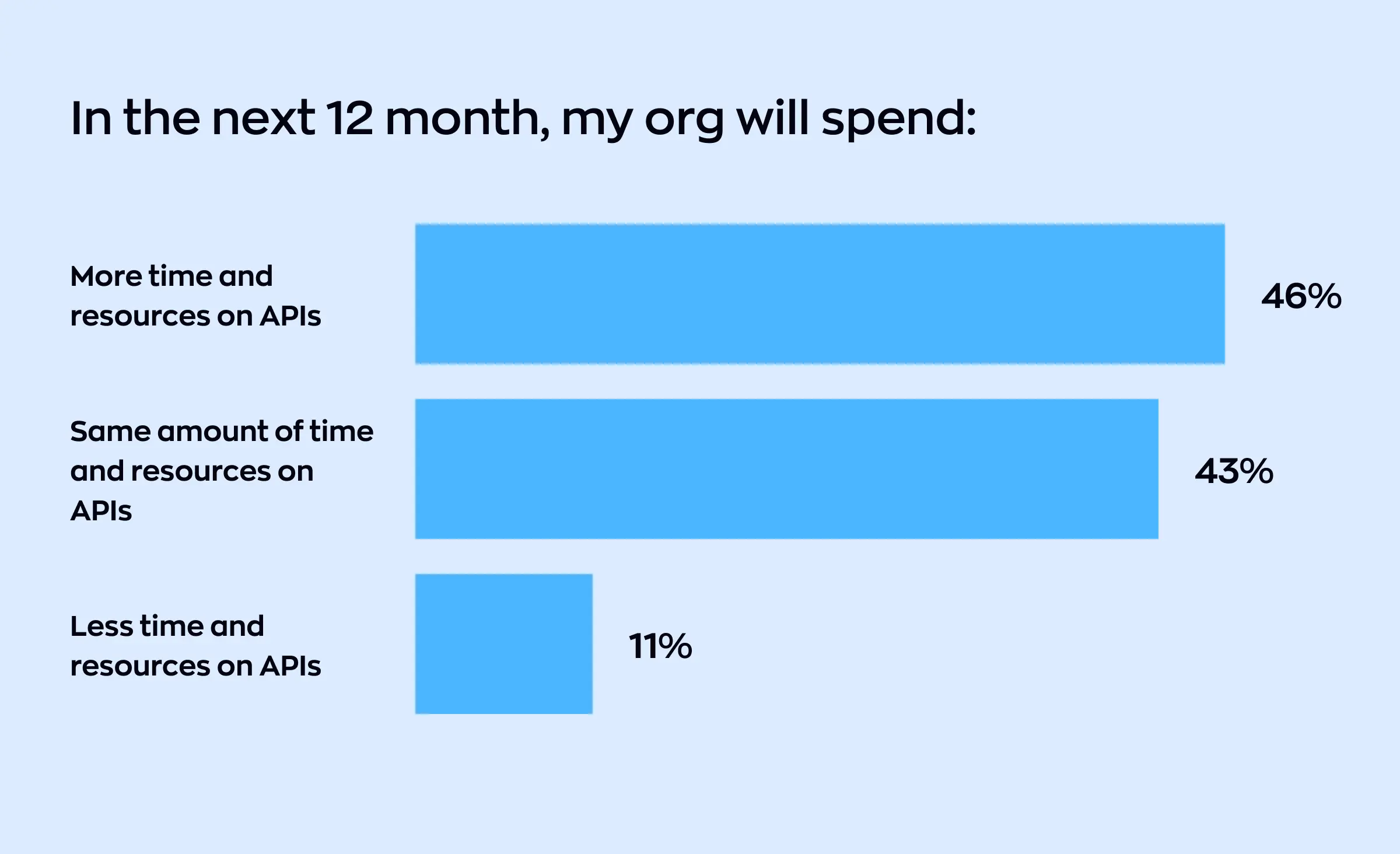
These trends explain the heightened investment in API-first approaches. Nearly half of organizations plan to increase resources for API development over the next year. The surge in spending isn't just to chase short-term technical wins but to provide long-term scalability and continuous growth. APIs, built and maintained following robust API management and governance, underpin new product launches, partnership integrations, and secure ecosystems.
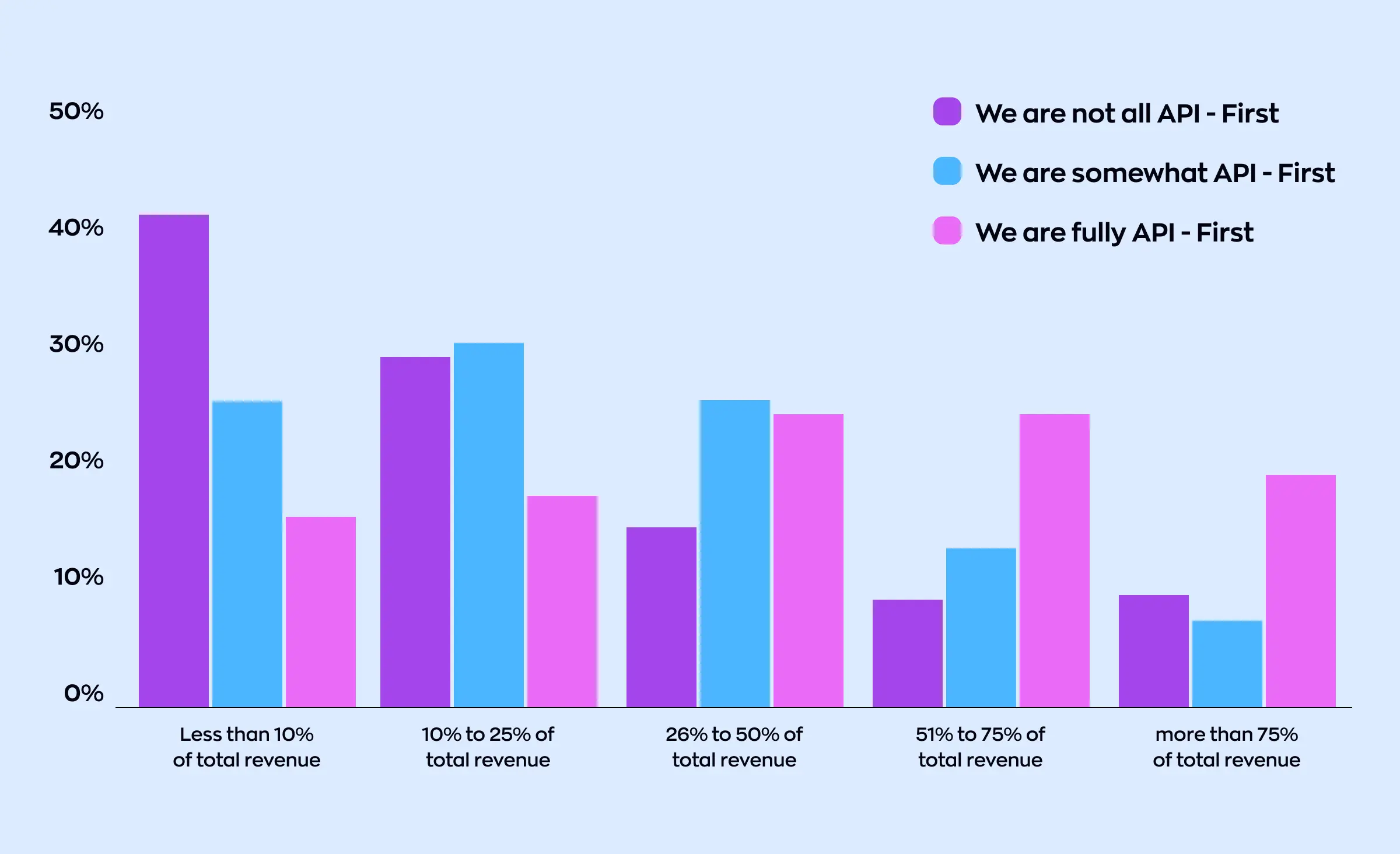
An API-first design makes APIs easier to consume and consistently more valuable for the business. APIs — especially those designed with a clear API specification and robust API contract — enable direct monetization, new partnership models, and streamlined workflows for developers. In fully API-first organizations, 43% report deriving over a quarter of total revenue from APIs, nearly tripling the rate seen in companies that use more traditional approaches.
Efficiency, scalability, and lower costs
The business case for an API-first development approach goes well beyond revenue. Scalability is naturally built in when you design APIs and systems with clear, contract-driven boundaries. Every technical and non-technical stakeholder benefits. Development teams can work in parallel: frontend and backend developers rely on stable API specification documents to minimize misunderstandings and automate testing.
This parallelism, coupled with centralized API management, means faster delivery and less risk of conflicting code. When teams are all working from the same API contract, onboarding new developers or scaling across regions becomes much smoother, and the reduced development cost becomes a clear advantage. Strong API documentation helps all API stakeholders, even those from partner companies, integrate faster and with fewer support requests.
API-first companies also gain future-proof solutions. Technology changes quickly, but an organization that starts with a flexible, well-documented API layer can adapt. Adding new functionality becomes less risky. With built-in monitoring, automated deployment, and structured governance, the API developer experience improves, and organizations can meet evolving business requirements without disruptive, expensive rewrites.
Integration and developer experience
A central promise of API-first development is improved integration — both inside and outside the organization. Well-designed APIs lower the technical barrier for external partners, allowing new ecosystems to form. With proper tooling, feedback mechanisms, and robust security, APIs built as products help companies respond quickly to market shifts.
Strong API-first design also improves the developers' experience. Developers can trust that each API contract they work with will not change unexpectedly, leading to less friction and faster learning for new team members. Documentation that's prioritized from the start makes it easier to support external API consumers, whether they're other business units, partner firms, or independent developers.
The impact of this is significant: companies that have made the switch to API-first development consistently see reduced time-to-market and increased satisfaction for both customers and engineering teams. They also avoid hidden costs by relying on a single, unified process for API governance and management.
In summary:
- APIs treated as durable products, supported by strong contracts and documentation, directly power substantial business revenue.
- Scalability and efficiency increase due to contract-driven parallel development and reliable API management.
- The user and API designer experience improves, both for internal stakeholders and API consumers.
- Forward-thinking practices like these mean your organization's functionality is always prepared for what's next.
Building toward best-in-class APIs means more than meeting today's needs — it's about establishing a foundation that supports new growth, partnerships, and innovation. In the next section, we'll show how smart architecture and best practices make this possible, keeping your APIs robust and secure as you scale.
Architectural implications and best practices
Building exceptional digital products requires more than solid code. It means putting thoughtful architecture, security, and clear processes at the core of every API development effort. As APIs become central to value creation, the need for robust, flexible, and secure foundations grows — and so does the complexity of managing them.
Microservices, gateways, and management in modern API architectures
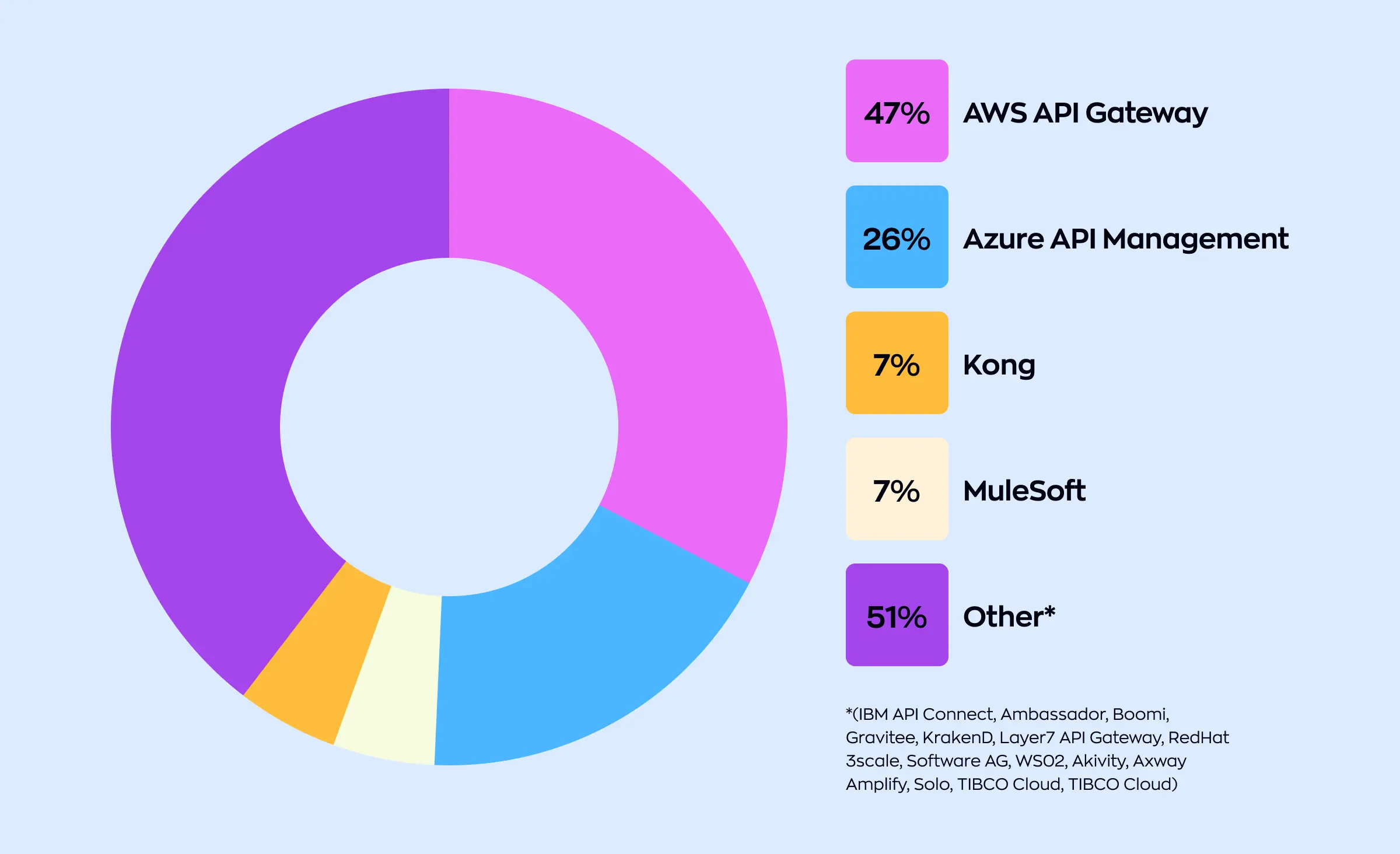
Microservices architecture has taken the lead for organizations looking for scalability and flexibility. In this setup, every service exposes its own application programming interface, and the overall system relies on well-managed API connections. This approach supports both independent development and easier deployment of new functionality. According to recent industry data, AWS API Gateway leads gateway adoption with a 47% share, followed by Azure at 26%. Importantly, the landscape is much less monolithic than before: 31% of organizations now use multiple gateways, reflecting the spread of teams, clouds, and diverse business needs.
This shift means API management is more critical — and more complex. With multiple API gateways in play, organizations must avoid tool lock-in and instead seek common platforms that support discovery, security, and monitoring regardless of deployment. Integrated management solutions can streamline how teams route API requests, track metrics, and maintain security while providing a consolidated view across different business units.
Security, testing, and documentation practices: Gaps and opportunities
Managing security and consistency across distributed APIs isn't easy. API security has never been more important as threats and API-driven business value both continue to rise. Following the OWASP API Security Top recommendations and implementing strong API gateway policies are essential. Yet, 17% of organizations still use no monitoring tools at all, exposing critical gaps in security and observability.
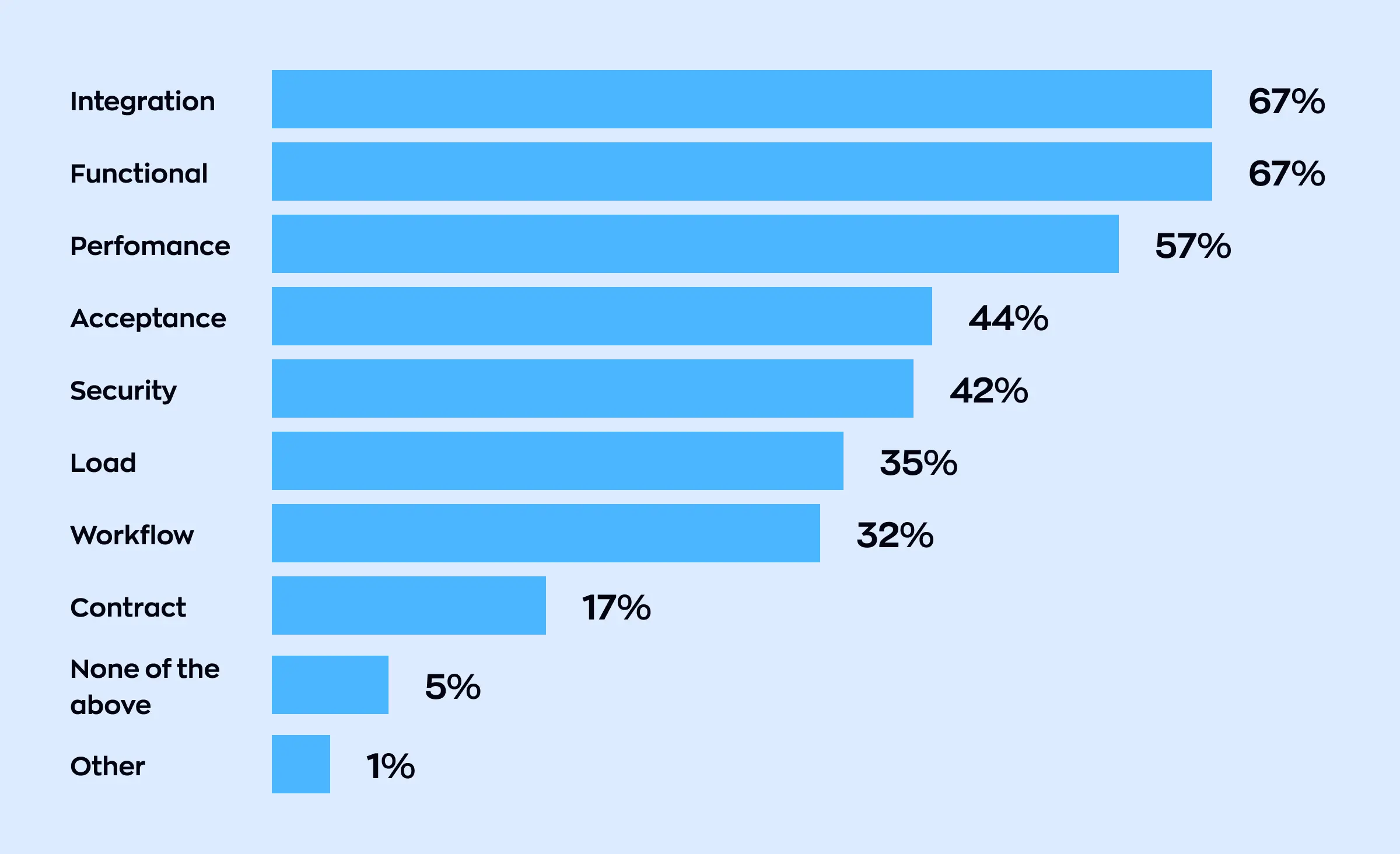
Testing practices tell a similar story. Functional and integration testing are standard, with 67% adoption, but contract testing — so vital for honoring every API contract — lags at only 17%. As APIs serve both human and AI consumers, thorough contract testing must become a best practice. Performance testing, implemented by 57% of organizations, shows growing focus on scalability, but there remains room for greater maturity.
Documentation-driven development is a cornerstone for strong API programs. Good documentation not only helps with faster onboarding for API consumers, but also supports efficient API development and a smoother development process. Automated tools and templates now play a larger role — yet fragmentation in tooling remains a challenge, with teams often using several products to cover the full API lifecycle, from creation to API deployment.
Standardization, automation, and future readiness
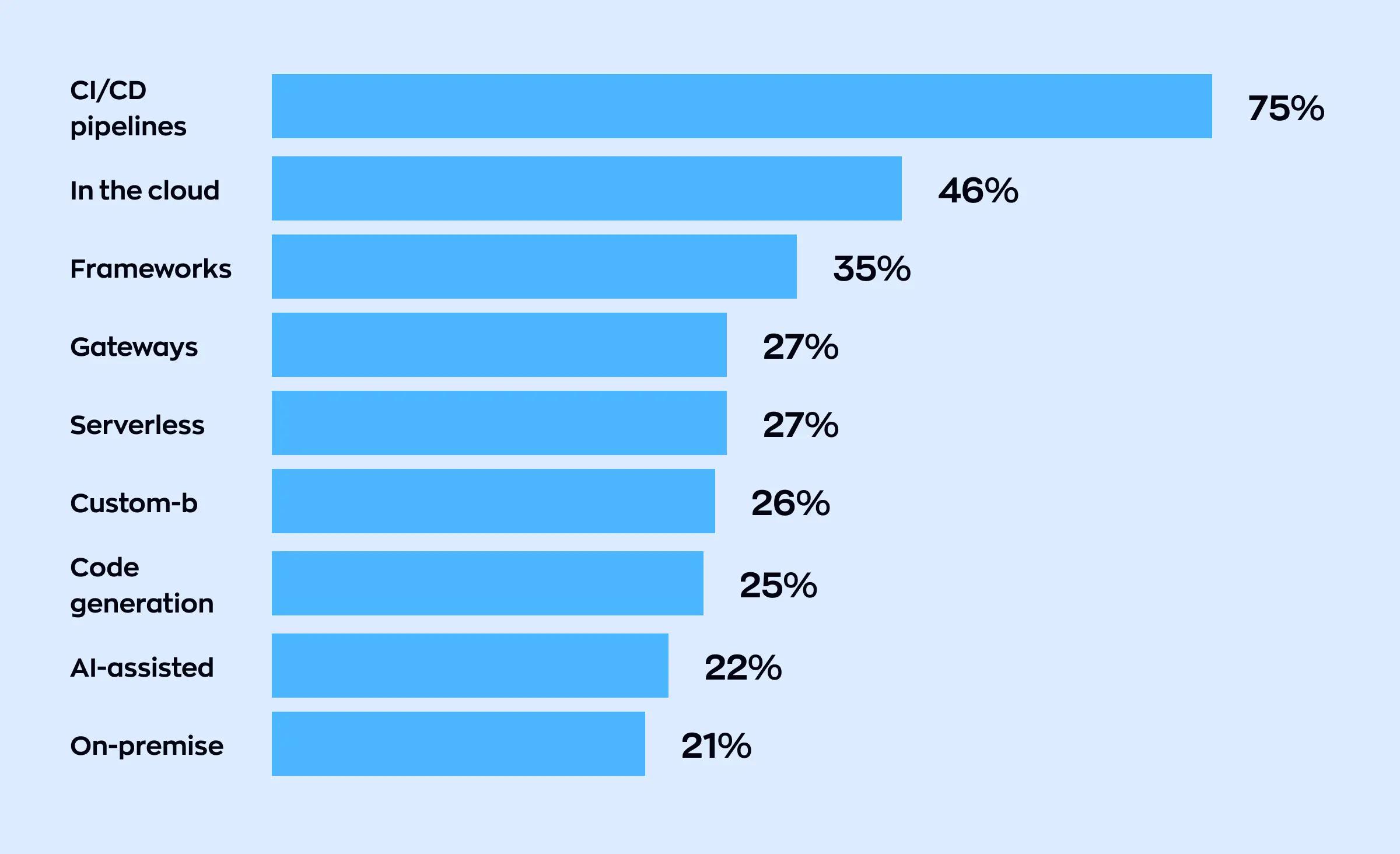
Effective architecture is rooted in process consistency. A majority of organizations (75%) leverage CI/CD pipelines for automated API deployment, highlighting progress in automation and reliability. Version control is widely adopted — 57% host APIs in Git repositories, though only 26% use full semantic API versioning, underlining inconsistencies in how API changes are communicated and managed. Best practices for versioning and lifecycle management can help teams plan, test, and roll out changes with minimal disruption to API consumers.
To address these challenges and opportunities, organizations should:
- Embrace strong API management tools that work across multiple clouds and API gateways, supporting comprehensive discovery, observability, and security controls.
- Prioritize contract-driven development to create clear API contracts for both humans and machines, and invest in automated contract testing.
- Follow robust security best practices: monitor endpoints, implement strict authentication, and address vulnerabilities using frameworks like the OWASP API Security Top recommendations.
- Formalize documentation-driven development by treating documentation as equal to code, allowing a development team to scale safely.
- Standardize and automate the entire API lifecycle, from versioning and deployment through to testing, monitoring, and change management.
Organizations that align architecture, process, and tooling set the stage for new levels of functionality and scalability in their API-first strategies. When every step — from API contract definition to testing, deployment, and monitoring — is handled with care, APIs can deliver continuous value in even the most complex environments.
As we look to practical implementation, the next section will show how this thoughtful groundwork translates into powerful real-world use cases, helping teams solve real problems and create new possibilities across industries.
Real-world applications and use cases
API-first development is more than a methodology — it is the backbone of our most scalable and successful projects at Ronas IT. By prioritizing solid API contracts, clear documentation, and automated API management from the outset, we have helped clients launch solutions that flex, grow, and innovate in the API economy.
Hospitality and B2B platforms
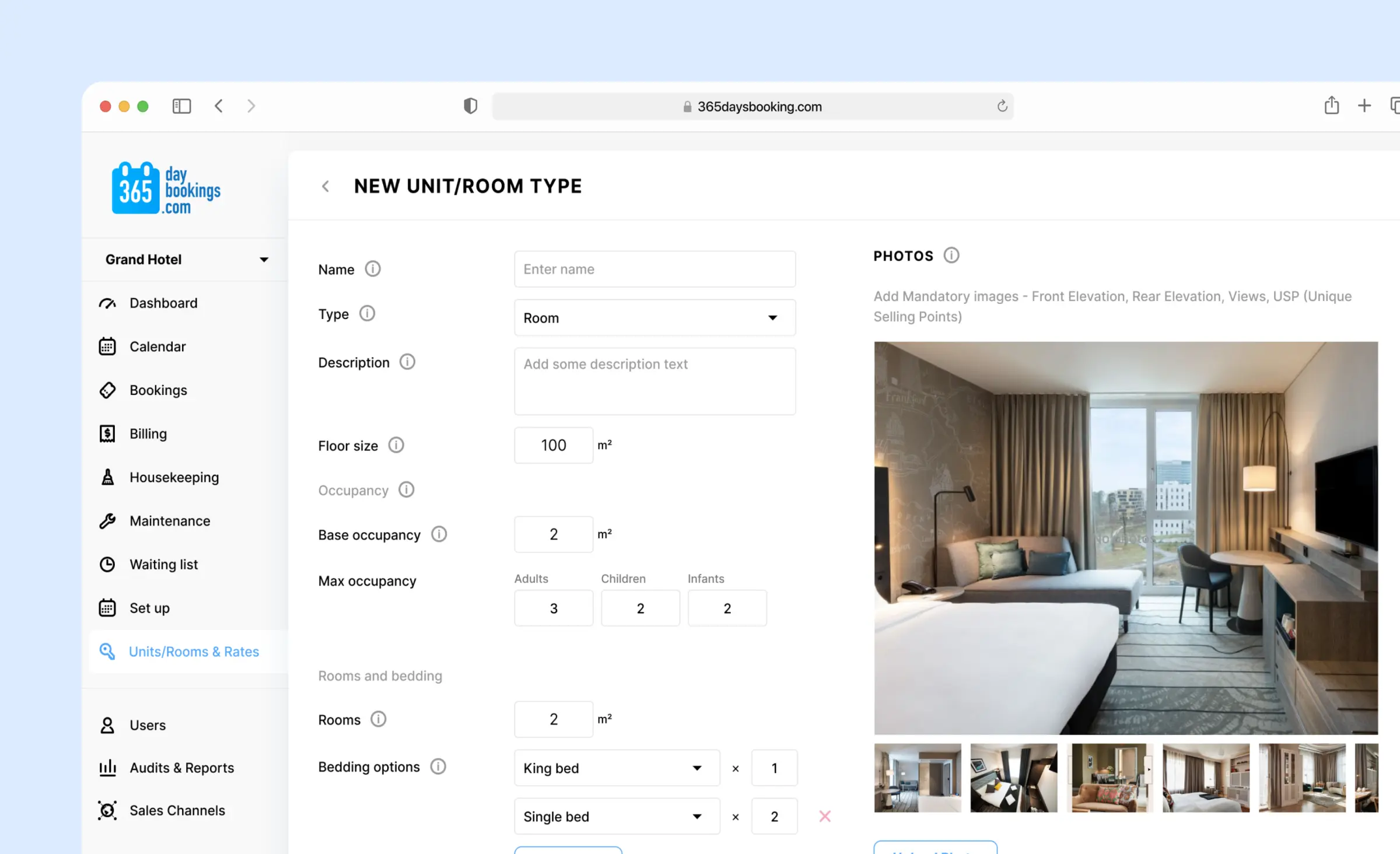
At Ronas IT, we used an API-first approach to deliver 365daysbooking.com, a sophisticated hotel management web application that connects tourists with property owners through B2B services and integrations. Through robust API contracts, we streamlined user onboarding, channel management, multiple payment integrations, and made it possible to roll out new features seamlessly. By building the platform on an API-first foundation, our development process supported rapid scaling and onboarding of new partners, while meeting both technical and business requirements.
Mobile marketplaces and community experiences

For the UK Retreats platform, we developed a mobile-first web app that brings together property owners and travelers looking for unique holiday stays. Using Laravel and an API-first strategy, we equipped the client to expand and iterate quickly. Our well-defined APIs powered everything from subscriptions and maps to payment processing, making third-party integrations simple and putting the client in control of features and timelines — both key to success in the fast-moving app development landscape.
Retail digitalization and IoT integration
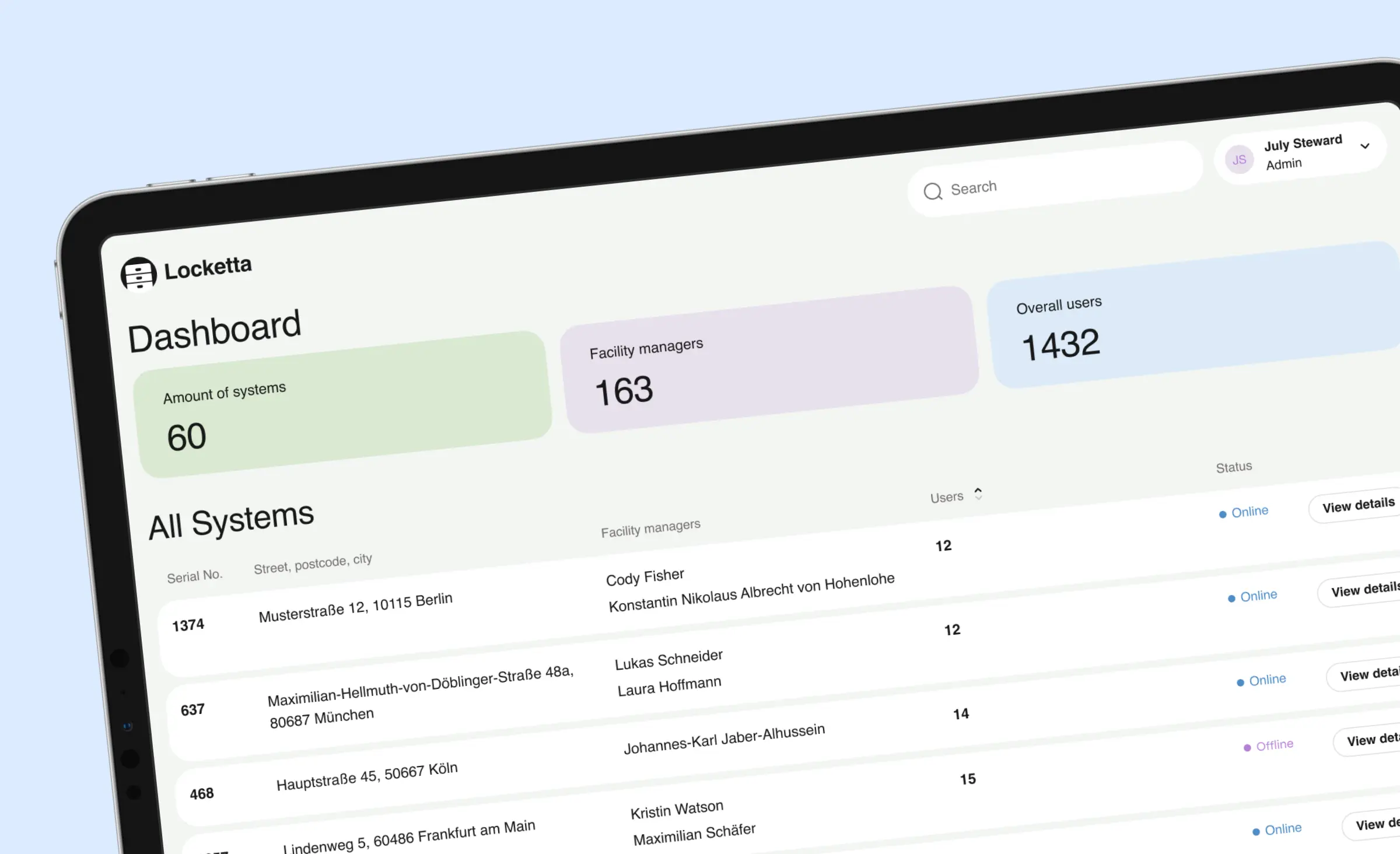
When a beauty retail client wanted to modernize their in-store experience, we built a secure locker admin platform using an API-first design. Our solution connected physical lockers with e-commerce workflows via encrypted APIs and real-time monitoring. A clear API contract allowed our team to integrate with existing APIs and create new connections for rapid feature deployment across dozens of retail locations — showcasing how thoughtful API management enables both scalability and flexibility.
Education and B2B services
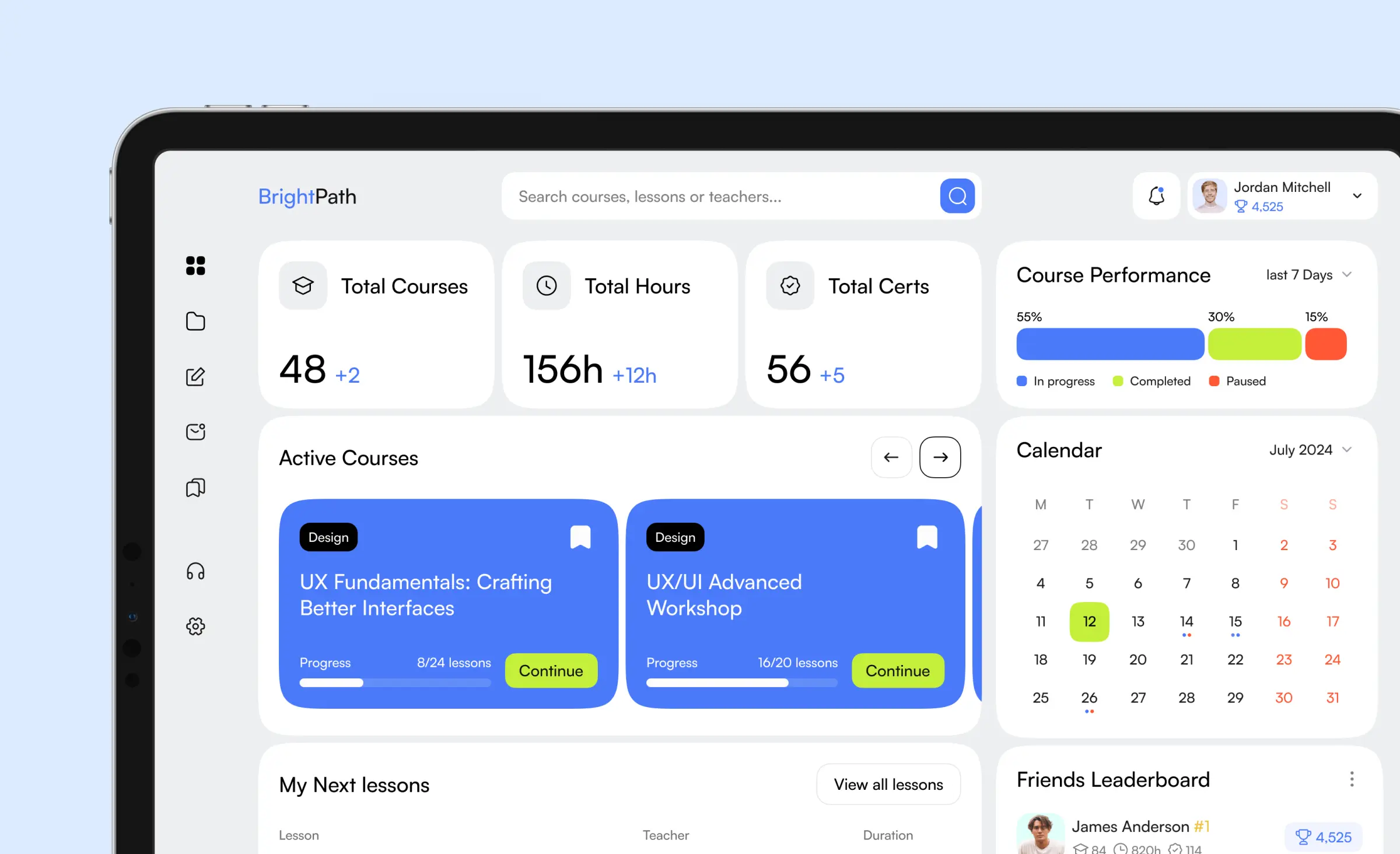
We also applied software development best practices to build education technology platforms with strong B2B capabilities. Our API-first designs handled granular user management, GDPR compliance, gamification, personalized learning features, and secure payment processing. Because documentation and versioning were set from the start, new features and integrations — analytics, notifications, external content — fit seamlessly into the existing API program and overall platform.
These real-world cases demonstrate how an API-first approach can benefit clients across various sectors. We consistently deliver reliable integrations, future-proof architecture, and faster time-to-market.
Next, we'll outline how partnering with Ronas IT can help your company take full advantage of API-first development, turning your vision into a lasting, connected reality.
Partnering with Ronas IT for API-first excellence
At Ronas IT, we understand why API-first matters. Our team applies years of software development experience to help clients navigate the real-world challenges and opportunities of an API-first architecture.
Supporting your API-first initiatives
We work alongside development teams at every stage—whether you're starting from scratch or refining a complex system. Our practical approach to API strategy begins with in-depth API design: we focus on clear contracts and reusable interfaces as a priority. Our process aims to make your APIs more reliable for all who build on your API-first platform. When custom software development or third-party integration is needed, we're equipped to adapt and offer hands-on support.
Our background with microservices architecture allows us to structure scalable backend development services that fit unique business requirements. We build modular solutions (REST, GraphQL, and more) and apply consistent API governance — helping to organize standards, documentation, and versioning so your systems remain maintainable. All steps include practical feedback loops, aligning with your objectives and constraints.
How we collaborate
Ronas IT offers a flexible, full-cycle approach:
- API strategy and design: We clarify your needs and define each API contract, focusing on clear data flow and documentation.
- Backend and custom development: We deliver tailor-made backend solutions and bridges between systems — modern or legacy.
- DevOps services and deployment: We automate API deployment and CI/CD pipelines to support repeatable, stable releases.
- Microservices implementation: We design and implement API-first architecture so services can be deployed and improved without dependency bottlenecks.
- Governance and best practices: We support your journey with practical advice and proven best practices for API governance, development process, and documentation.
We approach every project with transparency and adaptability. Our goal is to help you build, launch, and manage APIs that become strong assets for your business — no matter your industry or growth stage.
As we wrap up, we'll highlight how adopting an API-first mindset can provide the technical foundation needed for digital products to scale and evolve in a constantly changing market.
Conclusion
APIs have become the backbone of software development, driving seamless integration, adaptability, and real value across industries. The API-first approach has moved from a niche trend to a strategic priority for organizations aiming to deliver scalable digital products in fast-moving markets.
By committing to API-first development, teams establish strong foundations built on clear contracts and comprehensive API documentation. This practice doesn't just support technical delivery — it unlocks new levels of functionality, reliability, and collaboration between business and technology leaders.
Modern API development helps products adapt and evolve, no matter how customer needs or technologies change. As a result, organizations have more freedom to innovate and create digital experiences that stand out from the crowd. The API-first model provides the structure needed for stable growth while supporting the creative processes at the core of every successful product.
At Ronas IT, we recognize that robust APIs are at the heart of all lasting software development. By applying an API-first approach, maintaining clear documentation, and focusing on genuine business outcomes, your team can lay the groundwork for continuous improvement and future-ready solutions.
If you're ready to explore how API-first practices can shape your next phase of innovation, we invite you to work with us — tell us what you're up to by filling out a short form below this page.
Related posts











Related Services


Development
React Native App Development Services


Development
MVP Development Services


Development